Indoor vs Outdoor Cats: Pros, Cons, and Safety
One of the most important decisions cat owners make is whether to keep their feline companion strictly indoors or allow outdoor access. This choice has profound implications for your cat's health, lifespan, and quality of life. Both options offer distinct advantages and disadvantages, and the right choice depends on your circumstances, location, and commitment level. This thorough analysis explores both lifestyles, helping you make an informed decision that prioritizes your cat's safety and well-being.
The Case for Indoor Cats
Health and Safety Benefits
Indoor cats generally enjoy longer, healthier lives than their outdoor counterparts. The average indoor cat lives 12-18 years, while outdoor cats typically live 2-5 years. This dramatic difference reflects the numerous dangers outdoor cats face daily.
Road traffic represents one of the most serious threats. Cats don't comprehend vehicle speed or stopping ability, and even experienced outdoor cats can be struck by vehicles. Beyond accidents, outdoor cats encounter infectious diseases including feline leukemia, feline immunodeficiency virus (FIV), parasites, and bacterial infections. These conditions spread rapidly among outdoor cat populations and can be fatal.
Predators pose another significant threat. Depending on your location, coyotes, hawks, owls, and larger animals prey on cats. Even in suburban areas, these predators can quickly kill an unattended cat. Poisoning from pesticides, rodent bait, and toxic substances is also a serious concern for outdoor cats.
Behavioral Control
Indoor cats present fewer behavioral challenges. They don't engage in territorial marking outside your home, they don't hunt local wildlife populations, and they're less likely to be injured in fights with other cats or animals. You have complete control over their diet, medications, and activities, making it easier to monitor health and prevent problems.
Indoor cats are also protected from deliberate harm. Sadly, some people harm animals intentionally. Keeping your cat indoors eliminates this risk entirely.
Disadvantages of Indoor-Only Cats
Exercise and Enrichment Demands
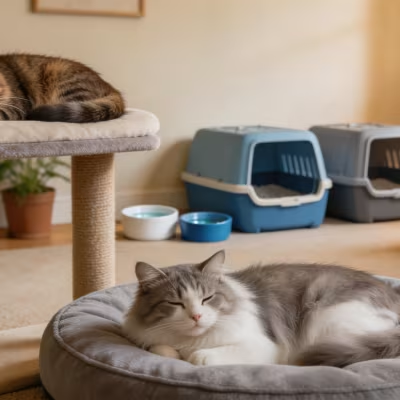
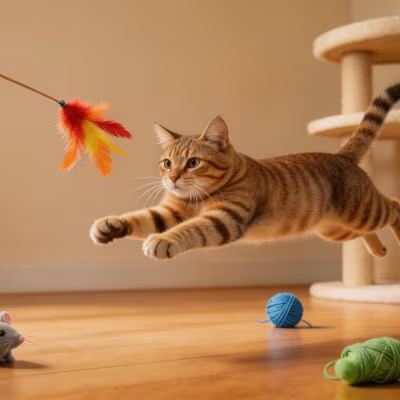
Indoor cats require significant environmental enrichment to prevent boredom, obesity, and behavioral issues. Without adequate stimulation, indoor cats may develop destructive behaviors, excessive vocalization, or inappropriate elimination. They need multiple play sessions daily, interactive toys, climbing structures, and mental challenges.
Owners must actively provide this enrichment. This requires time, effort, and often financial investment in quality toys, cat trees, and interactive devices. Failing to meet enrichment needs can result in frustrated, unhappy cats.
Space Limitations
Unless you have a large home, indoor cats have limited space for natural behaviors. Cats are territorial animals who naturally patrol large areas. Confining them to apartment-sized spaces can create stress, particularly in multi-cat households.
The Case for Outdoor Cats
Natural Behavior Expression
Outdoor access allows cats to express natural behaviors in their most authentic form. Hunting, climbing, exploring, and patrolling territory are instinctive behaviors that indoor cats struggle to fully express. Outdoor cats experience greater autonomy, independence, and environmental complexity.
Much research indicates that cats with outdoor access experience psychological enrichment that indoor environments struggle to provide. The sensory experiences—varied smells, textures, sounds, and visual stimuli—engage cats' senses in ways indoor environments cannot match.
Exercise and Physical Health
Outdoor cats typically maintain healthier weight through natural activity. They climb, hunt, run, and explore, burning substantial calories. This natural exercise reduces obesity-related health issues common in sedentary indoor cats.
Disadvantages of Outdoor Cats
Dramatically Shortened Lifespan
The most significant drawback of outdoor living is reduced lifespan. Traffic, predators, diseases, parasites, and harsh weather all contribute to early mortality. Statistics consistently show outdoor cats living significantly shorter lives than indoor cats.
Ecological Impact
Outdoor cats hunt wildlife, including birds, small mammals, and reptiles. Studies estimate that outdoor cats kill billions of animals annually, substantially impacting local ecosystems. This hunting reduces native wildlife populations and disrupts ecological balance. Even well-fed outdoor cats retain hunting instincts.
Disease and Parasite Risk
Outdoor cats face constant exposure to infectious diseases. Feline leukemia, FIV, feline infectious peritonitis (FIP), panleukopenia, and respiratory infections spread rapidly among outdoor cat populations. These conditions often prove fatal, and most are preventable through vaccination and indoor living.
Parasites including fleas, ticks, worms, and intestinal parasites affect outdoor cats at high rates. These parasites cause discomfort, transmit diseases, and can prove fatal in kittens or immunocompromised cats.
Hybrid Solutions: Indoor-Outdoor Compromise
Recognizing advantages and disadvantages of both approaches, many cat owners pursue compromise solutions that maximize benefits while minimizing risks.
Enclosed Catios
A catio—an enclosed outdoor space—allows outdoor access within a controlled, protected environment. Cats experience fresh air, sunshine, and environmental enrichment while remaining safe from traffic, predators, and disease exposure. Catios range from simple window-mounted boxes to elaborate structures with multiple levels and large footprints.
Building a catio requires initial investment but provides lasting benefits. Your cat gains outdoor access while you maintain complete control over their safety. This solution works well in suburban and urban environments.
Use Training and Supervised Outdoor Time
Some owners successfully train cats to walk on usees and leashes, allowing supervised outdoor exploration. This requires patience, positive reinforcement, and a calm cat temperament. Use-trained cats experience outdoor time while remaining under your supervision and control.
Outdoor Enclosures
Similar to catios, outdoor enclosures allow cats to spend time outside in safe, contained spaces. These might be simple structures attached to windows or doors, or elaborate outdoor rooms. The key is ensuring complete containment and predator protection.
Health Considerations
Regardless of your choice, proper healthcare is essential. Indoor cats need regular veterinary checkups, vaccinations, parasite prevention, and dental care. Outdoor cats require these services plus additional precautions including more frequent health monitoring, testing for FIV and feline leukemia, and complete parasite prevention.
Speaking with your veterinarian about your chosen lifestyle helps ensure your cat receives appropriate preventive care and early treatment for any health issues.
Making Your Decision
Consider your specific circumstances: your location, home type, lifestyle, and commitment level. Urban environments present greater risks to outdoor cats. Apartments may lack sufficient space for adequate indoor enrichment. Your time availability affects whether you can provide necessary enrichment for an indoor cat.
Many experts now recommend keeping cats indoors or providing controlled outdoor access through catios. This approach maximizes your cat's safety while allowing natural behavior expression. Regardless of your choice, prioritize your cat's health, safety, and happiness through appropriate veterinary care, enrichment, and attention.
There is no universally correct answer, but informed decisions based on your cat's needs and your ability to meet those needs ensure the best outcome for your feline companion.


0 Comments
No comments yet. Be the first to share your thoughts!
Leave a Comment