Cat Enrichment: Toys, Activities, and Mental Stimulation
Indoor cats spend most of their time in relatively confined spaces, making environmental enrichment essential for physical health, mental stimulation, and behavioral well-being. Without adequate enrichment, cats develop boredom-related behavioral problems, obesity, and anxiety. Fortunately, providing diverse enrichment opportunities is straightforward, affordable, and deeply rewarding. This complete guide explores enrichment types, toy selection, and activity strategies, helping you create a stimulating environment where your cat thrives.
Understanding Enrichment's Importance
In nature, cats spend significant time hunting, patrolling territory, exploring, and interacting with their environment. Indoor cats lack these natural activities, creating potential frustration and boredom. Environmental enrichment mimics natural behaviors, satisfying instinctive drives while preventing behavioral problems.
Adequate enrichment reduces destructive behaviors like scratching furniture or attacking hands during play. It helps prevent or manage anxiety and aggression. Enriched cats are more physically active, maintaining healthier weight and better physical fitness. Mental stimulation prevents cognitive decline, particularly important for aging cats.
Types of Enrichment
Physical/Activity Enrichment
Physical enrichment involves movement and exercise. Interactive play with toys on strings, wands, or laser pointers engages cats' natural hunting instincts. Regular play sessions burn calories, strengthen muscles, and provide mental stimulation through strategic problem-solving.
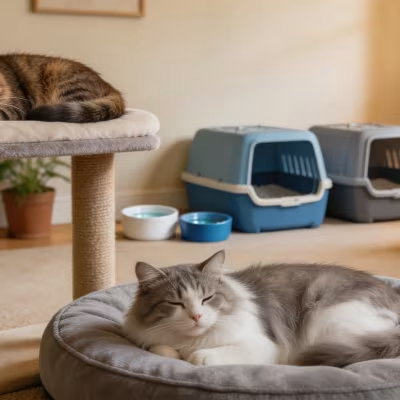
Vertical enrichment including cat trees, shelves, and wall-mounted perches allows climbing and surveying territory from high vantage points. Cats instinctively seek improved positions for security and territorial observation. Multi-level cat furniture provides extensive climbing and resting opportunities.
Sensory Enrichment
Cats explore their world through senses: smell, sound, sight, and touch. Sensory enrichment stimulates these senses naturally.
Scent Enrichment: Catnip, silvervine, valerian, and cat pheromone products (Feliway) engage cats' sense of smell. Rotate scent toys to maintain novelty and enthusiasm. Some cats respond better to certain scents than others; experimenting identifies your cat's preferences.
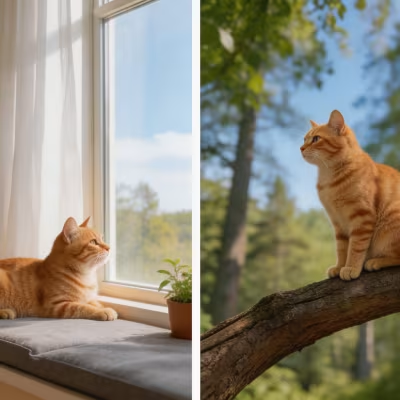
Visual Enrichment: Window perches providing bird watching opportunities provide hours of engagement. Birds activate cats' visual tracking and hunting instincts. Aquariums also provide visual stimulation, though never place cats in positions to access fish.
Auditory Enrichment: Cat-specific music or soundscapes designed for feline hearing can provide calming background stimulation. Some cats enjoy sounds of birds, rain, or nature.
Tactile Enrichment: Varied textures including scratching posts, pads, and boards with sisal rope, cardboard, or carpet appeal to different preferences. Some cats prefer horizontal scratching; others prefer vertical. Provide multiple options to discover preferences.
Feeding Enrichment
Food represents natural enrichment when delivery is engaging. Puzzle feeders force cats to work for meals, activating hunting instincts and slowing fast eaters. Multiple small meals scattered throughout the day encourage exploration and foraging behavior.
Hiding treats around your home creates hunting opportunities. Cats enjoy searching for and discovering food, engaging their problem-solving abilities and maintaining physical activity.
Social Enrichment
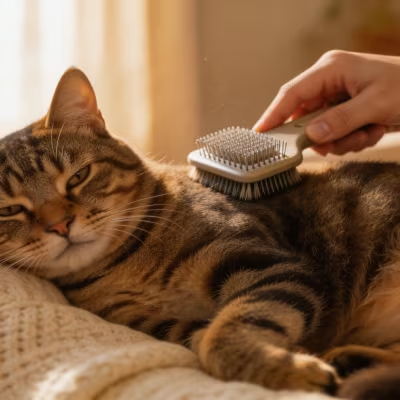
Interaction with humans and other pets provides social stimulation. Regular play sessions, gentle petting, and grooming strengthen bonds and provide engagement. Interactive toys requiring human participation—feather wands, laser pointers, or toys on strings—create dynamic play opportunities.
For social cats, feline companions provide interaction and play. However, introductions require careful management, and not all cats tolerate multiple-cat households. Consider your cat's temperament before introducing additional cats.
Interactive Toys and Play
Wand Toys
Feather wands, string toys, and ribbon toys engage cats' pouncing and hunting instincts. These toys allow you to create unpredictable movements mimicking prey. Play sessions should last 5-15 minutes, multiple times daily.
Make play engaging by varying movement patterns—sudden stops, quick accelerations, direction changes. This unpredictability maintains interest and challenge.
Laser Pointers
Laser pointers provide fast-paced, engaging play. However, never shine lasers directly in eyes. Another point: some behaviorists suggest that laser play may frustrate cats since they cannot physically capture the light. Combine laser play with physical toys cats can actually catch to prevent frustration.
Ball and Track Toys
Balls rolling through tracks or in enclosed spaces appeal to cats' hunting instincts. These toys provide independent play as well as interactive play with you rolling balls for your cat to chase and catch.
Puzzle Feeders
Intelligent puzzle feeders require cats to solve problems to access food. These toys satisfy natural foraging instincts while slowing eating and providing mental stimulation. Various difficulty levels accommodate different skill levels.
Scratching Opportunities
Scratching is natural behavior cats cannot stop, so appropriate outlets prevent furniture damage. Provide multiple scratching options:
Vertical Posts: Tall, sturdy posts allow cats to fully extend their bodies while scratching. Choose posts at least 30 inches tall with stable, weighted bases preventing tipping.
Horizontal Boards: Some cats prefer scratching horizontally on flat surfaces. Cardboard scratching boards, sisal mats, or rope scratching boards provide appropriate outlets.
Wall-Mounted Scratchers: Space-efficient scratchers mounted on walls provide opportunities without floor space requirements.
Material Variety: Sisal rope, cardboard, carpet, and wood appeal to different preferences. Offering variety helps identify your cat's preferred scratching materials.
Place scratching opportunities near where cats nap and rest. Scratching marks territory and stretches muscles, behaviors cats perform after waking. Combining scratching posts with napping areas encourages use.
Environmental Enrichment
Window Access
Windows providing outdoor views offer engaging visual enrichment. Bird feeders positioned outside windows provide entertainment for hours. Window perches allow comfortable observation from favorite vantage points.
Cardboard Boxes
Simple cardboard boxes provide hiding, playing, and resting opportunities. Cats enjoy enclosed spaces that offer security while allowing observation. Cutting holes in boxes creates tunnels, adding interactive elements.
Cat Grass
Safe indoor plants like cat grass or cat-safe plants provide sensory enrichment. Many cats enjoy nibbling grass, which aids digestion. Ensure any plants are non-toxic and out of reach if you have toxin-sensitive cats.
Rotation Strategy
Cat interest wanes with familiar toys. Rotating toys keeps them novel and engaging. Store half your toys away, rotating them every 1-2 weeks. This constant novelty maintains enthusiasm without continuous new toy purchases.
Creating an Enrichment Schedule
Consistency benefits your cat. Establish regular play sessions—ideally 2-3 daily for 10-15 minutes each. This schedule satisfies hunting instincts and burns calories.
Morning and evening sessions align with cats' natural activity peaks. These sessions also provide structured opportunities for you to bond with your cat through interactive play.
Age-Appropriate Enrichment
Kittens
Kittens need extensive physical enrichment. Multiple play sessions daily, challenging climbing opportunities, and interactive toys engage their high energy. Puzzle feeders and foraging opportunities develop problem-solving skills.
Adult Cats
Adult cats benefit from consistent physical and mental enrichment. Interactive play, puzzle feeders, and environmental variety maintain health and engagement.
Senior Cats
Senior cats need modified enrichment. Reduce jumping requirements through lower perches and ramps. Maintain gentle play sessions even if duration is shorter. Puzzle feeders with easier access encourage continued foraging without excessive physical demand.
Problem-Solving With Enrichment
Enrichment often resolves behavioral problems. Destructive scratching decreases when appropriate scratching outlets are provided. Excessive vocalization sometimes reflects boredom, improving with enrichment. Aggression toward family members may indicate insufficient outlet for hunting instincts, improving with interactive play.
Before assuming behavioral problems require punishment or medication, evaluate enrichment. Many behavioral issues resolve when environmental needs are met.
Financial Considerations
Quality enrichment needn't be expensive. DIY options include paper bags, toilet paper tubes, and boxes. String or shoelaces can create simple wand toys. Moving flashlights create light entertainment similar to laser pointers.
Invest in durable climbing structures and quality scratching posts as foundational enrichment, then supplement with inexpensive toys and rotating options.
The Enrichment Payoff
Enriched cats are happier, healthier, better-behaved, and more interactive with their families. The time and modest financial investment in enrichment repay dividends through your cat's improved well-being and your enhanced relationship. A stimulated, engaged cat is a content cat, and a content cat brings joy and companionship to your household for years to come.

0 Comments
No comments yet. Be the first to share your thoughts!
Leave a Comment