The Best Way to Socialize Your Puppy Before Vaccinations: Dr. Hale's Guide to a Confident Companion
Hello fellow pet parents! I'm Dr. Edward Hale, and for the past 15 years, I've had the privilege of helping countless families navigate the wonderful, sometimes perplexing, journey of pet ownership. One of the most common questions I get from excited new puppy owners is: "How do I socialize my puppy when they haven't had all their shots yet?" It's a fantastic question, stemming from a place of love and concern for their new furry family member's health and happiness.
It's a critical dilemma: we know that the early weeks of a puppy's life are absolutely essential for shaping their personality and behavior, but we also need to protect them from serious diseases like Parvovirus and Distemper. The good news? You don't have to choose! With the right approach, you can provide vital
The Critical Socialization Window: Why It Matters So Much
Imagine your puppy as a sponge, soaking up every new experience, sight, sound, and smell. There's a specific period, generally between 3 and 16 weeks of age, known as the "critical socialization window." During this time, puppies are most open to new experiences and form lasting impressions about the world around them. Experiences (both good and bad) during this window heavily influence their adult behavior.
Puppies who miss out on proper socialization during this critical time are far more likely to develop fear, anxiety, and even aggression later in life. We see it all too often in the clinic: dogs who bark aggressively at strangers, cower from new objects, or react negatively to other dogs. These are often the consequences of insufficient early exposure. By proactively providing diverse, positive experiences now, you are actively
Think of it as laying the foundation for a strong, resilient house. A wobbly foundation makes for a shaky house. Similarly, a lack of early socialization can lead to a dog who struggles to cope with the everyday stresses of human life.
Balancing Act: Socialization vs. Health Risks
I completely understand the concern about disease. Diseases like Parvovirus are serious, highly contagious, and can be fatal, especially for unvaccinated puppies. It's natural to want to cocoon your puppy until they're fully protected. However, completely isolating your puppy during this critical window can have profound, long-lasting negative effects on their behavior and mental well-being, which can be just as detrimental as physical illness.
The key is to strike a balance: intelligent,
Practical Strategies for Early, Safe Socialization
So, how do we do this? Let's dive into some actionable steps you can take right now to enrich your puppy's world without compromising their health.
1. Home-Based Experiences: The World Within Your Walls
Your home is a fantastic laboratory for socialization! Start here. The goal is to make everyday things feel normal and non-threatening.
- Sounds: Gradually expose your puppy to a variety of household noises. This includes the vacuum cleaner, doorbell, washing machine, television, children playing, and even different types of music. Start with the sound far away or at a low volume, pairing it with treats and praise.
- Textures: Let your puppy walk on different surfaces: carpet, tile, hardwood, linoleum, blankets, cardboard. You can even develop a "texture walk" in a clean, enclosed area of your home or backyard.
- Objects: Introduce new objects that might seem strange to them: an umbrella opening, a broom, a hat, crinkly paper, squeaky toys. Always let them approach at their own pace and reward curiosity.
- Handling: Gently touch their ears, paws, tail, and mouth. This is crucial for future vet visits, grooming, and general comfort with being handled. Make it a positive experience with soft voices and small treats.
2. Introducing New People Safely
People come in all shapes, sizes, and smells! Your puppy needs to learn that humans are generally friendly and safe.
- Family & Friends: Invite trusted, vaccinated friends and family over who understand how to interact gently with a puppy. Ask them to wear different hats, glasses, or coats to vary their appearance.
- Different Ages: If you have access to calm, respectful children, supervised interaction is incredibly valuable. Teach children how to gently pet a puppy (one hand on the chest, not over the head) and how to recognize signs of stress.
- Controlled Greetings: Ensure all interactions are positive. Avoid overwhelming your puppy with too many people at once. One-on-one, calm introductions are best, always with positive reinforcement (treats!). This teaches your puppy that new people mean good things.
3. Carefully Chosen Canine Interactions
This is where many owners get nervous, and rightly so. Direct dog-to-dog interaction carries the highest risk for disease transmission, but it's also vital for learning appropriate canine social cues. The key is extreme selectivity.
- Known, Vaccinated, Temperament-Tested Dogs: Only allow your puppy to interact with adult dogs you know are fully vaccinated, healthy, and have a proven track record of being gentle and tolerant with puppies. These interactions should happen in a clean, private, controlled environment (e.g., your backyard, a friend's clean home).
- Supervised Play: Always supervise these interactions closely. Look for signs of appropriate play (bowing, taking turns chasing, soft mouths) and intervene if the adult dog becomes too rough or the puppy shows signs of fear.
- Avoid Public Dog Parks & Pet Stores: Until your puppy has completed their full vaccination series (usually around 16 weeks) and your vet gives the all-clear, absolutely avoid public places where unvaccinated or unknown dogs frequent, like dog parks, pet stores, rest stops, or common walking trails. These are high-risk zones for disease. This is a critical aspect of
socializing puppies without dog parks before shots .
4. Exploring the World from a Safe Distance
You can introduce your puppy to the sights and sounds of the outside world without ever letting their paws touch the ground in public areas.
- Carrier Walks/Car Rides: Place your puppy in a comfortable carrier and take them on walks around your neighborhood or to a local park. Let them observe the world from the safety of your arms or a stroller/wagon. Take them for short car rides to different locations. This provides
early positive exposure for unvaccinated puppies to diverse environments. - Observation Outings: Drive to a bustling shopping center parking lot (staying in the car), a school during dismissal, or a construction site. Let your puppy watch people, cars, and hear different sounds from a safe, contained space. Pair these observations with delicious treats.
- Visits to Friends' Clean Homes: If you have friends with clean homes (no recent sick pets or unknown visitors), visit for short periods. This exposes your puppy to new layouts, smells, and ambient noises.
These methods demonstrate
Common Socialization Mistakes to Avoid
Even with the best intentions, it's easy to make missteps. Here are a few to watch out for:
- Forcing Interactions: Never force your puppy into a situation they're clearly uncomfortable with. If they're cowering, trying to escape, or showing fear signals (ears back, tail tucked, lip licking, yawning), back off. Pushing them past their comfort zone can create a negative association.
- Overwhelming the Puppy: Too much too soon can be detrimental. Short, positive, controlled exposures are far more effective than long, stressful ones. Always end on a positive note.
- Ignoring Fear Signals: Learn to read your puppy's body language. A fearful puppy is not having a positive socialization experience. Their comfort and safety are paramount.
- Taking Unvaccinated Puppies to Public High-Traffic Areas: As mentioned, this is a major no-no. Pet stores, dog parks, and even popular walking trails are breeding grounds for diseases. While the desire to socialize is strong, the risk of severe illness outweighs the benefit in these uncontrolled environments.
Dr. Hale's Pro Tips from the Clinic
Over the years, I've gathered a few insights that can make a big difference in your puppy's socialization journey:
- The "Rule of 100": While not a hard and fast rule, it's a great guideline. Aim to expose your puppy to 100 different types of people (kids, adults, different ages, races, people with hats, beards, glasses, uniforms), 100 different environments, and 100 different surfaces by the time they are 16 weeks old. Do this gradually and positively!
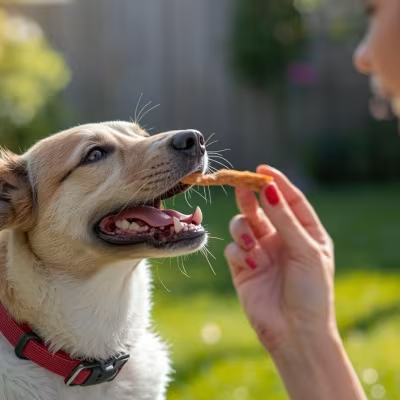
- Always Use Positive Reinforcement: Every new experience should be paired with high-value treats and praise. This creates a positive emotional association. Your puppy learns that new things predict good things!
- Be a Calm Guide: Your energy impacts your puppy. If you're stressed or anxious, they'll pick up on it. Project calm confidence, and they'll feel safer exploring.
- Short & Sweet: Keep socialization sessions brief – just 5 to 10 minutes at a time. It's better to have several short, positive experiences than one long, overwhelming one. Always end the session before your puppy gets tired or stressed.
- Consult Your Veterinarian: Every puppy is an individual, and every environment is different. Talk to your vet about a personalized socialization plan for your puppy, taking into account their breed, health status, and your local disease prevalence. We are here to help guide you!
When to See a Vet
While safe socialization is vital, your puppy's health always comes first. Please contact your veterinarian immediately if you observe any of the following during or after socialization activities:
- Signs of Illness: Lethargy, loss of appetite, vomiting, diarrhea, coughing, sneezing, or nasal discharge. These could indicate an infection.
- Extreme Fear or Anxiety: If your puppy consistently shows extreme fear (e.g., severe trembling, uncontrollable urination, constant hiding, prolonged inability to recover) or aggression (e.g., growling, snapping, prolonged barking) during even low-intensity socialization, it's important to discuss this with your vet. We can help assess the underlying cause and develop a specialized behavioral modification plan.
- Concerns About Vaccination Schedule: If you're unsure about your puppy's vaccination status or when it's safe to introduce them to certain environments, always err on the side of caution and consult your vet.
Frequently Asked Questions
Can my puppy meet other dogs before all shots?
Yes, but with extreme caution and selectivity. They should only interact with a small number of adult dogs who are fully vaccinated, known to be healthy, and have a calm, puppy-friendly temperament. These interactions must take place in a private, clean, controlled environment, like your backyard, not in public dog parks or pet stores. This ensures
How long should socialization sessions be?
Keep them short and positive! Aim for 5-10 minutes per session. It's much better to have several brief, enjoyable exposures to new things throughout the day than one long, overwhelming session.
What if my puppy is shy or fearful?
Go at your puppy's pace. Never force them into interactions. Instead, use positive reinforcement (high-value treats) to reward even small steps of bravery, like looking at a new person or sniffing a new object from a distance. Create a safe, comfortable space for them, and let them initiate contact. If fear persists or is extreme, consult your veterinarian or a certified professional dog trainer.
Is it ever too late to socialize a puppy?
While the critical socialization window closes around 16 weeks, it's never truly "too late" to continue working on your dog's social skills. However, it becomes progressively more challenging after this period, and you may be working on desensitization and counter-conditioning rather than pure socialization. The earlier you start, the easier and more impactful it will be.
Conclusion
Socializing your puppy before they are fully vaccinated is a crucial responsibility that requires careful planning and a commitment to safety. By following these guidelines for


0 Comments
No comments yet. Be the first to share your thoughts!
Leave a Comment