Litter Box Training: Step-by-Step Methods That Actually Work
Litter box training is one of the few behaviors that comes naturally to most cats. Unlike dogs, felines instinctively understand the purpose of litter boxes and typically require minimal training. However, setting up your litter box correctly and understanding the factors that influence litter box use prevent problems and ensure long-term success. This complete guide covers what matters most about litter boxes, from setup to troubleshooting behavioral issues.
Why Cats Use Litter Boxes Naturally
Cats evolved as carnivores who buried their waste to conceal their locations from predators and competitors. This instinctive behavior translates directly to litter box use. Even feral cats use designated bathroom areas, and domestic kittens learn litter box use by observing their mothers and littermates.
This natural inclination makes cat toilet training far easier than dog housebreaking. Most cats require minimal intervention to use litter boxes correctly. However, preventing and addressing litter box problems requires understanding what motivates cats to use—or avoid—their boxes.
Setting Up Your Litter Box for Success
Choosing the Right Location
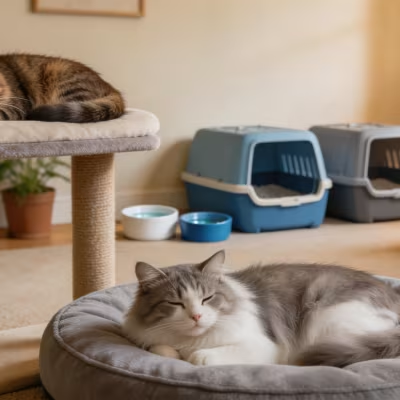
Location is critical for consistent litter box use. Place boxes in quiet, low-traffic areas separate from food and water bowls. Cats instinctively avoid eliminating near eating areas, so proximity to food and water discourages use.
Avoid placing litter boxes near loud appliances, water heaters, or furnaces. Unexpected noises during elimination create negative associations with the location. Similarly, ensure boxes aren't in areas where children or other pets frequently disturb your cat.
Provide multiple boxes in multi-level homes. At minimum, place one box per floor, plus one additional box. The general rule is one box per cat plus one extra. In a two-cat household, you need three boxes. Distributing boxes increases accessibility and reduces territorial conflicts.
Box Selection and Size
Choose litter boxes large enough for your cat to turn around, squat comfortably, and cover waste. Most cats prefer boxes measuring approximately 1.5 times their body length. Larger boxes accommodate bigger cats and allow cats to position themselves comfortably during elimination.
Open boxes offer advantages including easy access, visibility of litter quality, and simple cleaning. However, some cats prefer privacy and use covered boxes more consistently. Covered boxes contain odor and litter scatter better. If your cat tolerates them, covered boxes are often preferable. However, never force a cat to use a covered box if they show resistance.
Box material varies from plastic to stainless steel to biodegradable options. Select durable, non-porous materials that resist odor absorption. Avoid boxes with strong chemical odors, which may deter cats.
Litter Selection
Cat litter comes in various types, each with distinct characteristics. Clay litter, the most common, effectively controls odor and absorbs moisture. Most cats prefer clay litter's texture, which resembles natural soil or sand.
Silica gel litter absorbs moisture efficiently and controls odor well but produces dust and costs more than clay. Clumping clay litter makes removal easier and extends usage time. Crystal litter offers excellent odor control and lower dust production. Paper, wood, and corn-based natural litters appeal to environmentally conscious owners.
Cat preferences vary, but most tolerate clay or clumping litter well. When selecting litter, consider your cat's preferences, your household allergies, dust levels, odor control needs, and environmental concerns. If switching litter types, do so gradually, mixing new litter with old to ease transition.
Provide approximately 2-3 inches of litter depth. This allows cats to dig and cover waste naturally. Too little litter prevents proper digging; too much increases scatter and waste.
Introducing Kittens to Litter Boxes
Kittens naturally use litter boxes if one is provided immediately upon arrival. Place the kitten directly in the box after arriving home, after eating, and after playing. Most kittens quickly associate the box with elimination needs.
Clean boxes frequently. Kittens prefer clean litter and may refuse dirty boxes. Soiled litter discourages use and creates behavioral problems. Scoop daily and change litter completely weekly or more frequently if needed.
Positively reinforce litter box use through gentle praise, treats, or play after successful elimination. This creates positive associations and encourages continued use.
Common Litter Box Problems and Solutions
Eliminating Outside the Box
When adult cats eliminate outside the box, determine the underlying cause before addressing behavior. Medical issues rank foremost—urinary tract infections, kidney disease, diabetes, intestinal parasites, and other conditions cause inappropriate elimination. Schedule a veterinary appointment immediately.
Assuming medical issues are ruled out, environmental factors likely cause the problem. Common issues include:
Insufficient Boxes: Too few boxes or inconvenient locations force cats to use alternatives. Increase box quantity and ensure accessibility.
Box Cleanliness: Cats refuse visibly dirty boxes. Scoop daily and change litter frequently.
Litter Preference: Your cat may dislike current litter type, texture, or brand. Experiment with alternatives or return to previously preferred litter.
Box Aversion: Negative experiences—loud noises, startling, or painful urination while using the box—create aversion. Move the box to a quieter location and provide multiple alternatives.
Territorial Marking: Cats spray urine on vertical surfaces to mark territory. This differs from improper elimination and signals stress or anxiety. Spaying or neutering typically resolves marking in young cats. Multiple boxes, vertical territory markers, and stress reduction help resolve marking in adult cats.
Avoiding the Litter Box Entirely
Some cats refuse to use any litter box. First, confirm no medical issues exist. Then evaluate box setup. Cats with previous negative experiences may need new boxes in entirely different locations. Try various litter types, depths, and box styles.
Reduce stress through Feliway diffusers, increased play, vertical territory markers, and consistent routine. Some cats respond to multiple boxes scattered throughout the home, ensuring constant accessibility.
Advanced Litter Training Techniques
Training Cats to Use the Toilet
Some dedicated owners train cats to use human toilets, eliminating litter box waste entirely. This requires patience, appropriate training kits, and gradual progression. Litter boxes are gradually moved toward the toilet, then replaced with seat inserts that eventually teach cats to use the toilet directly.
This works for some cats, particularly those highly motivated by treats or praise. However, toilet training isn't appropriate for all cats and requires significant time investment.
Addressing Litter Box Aversion After Travel
Cats relocated temporarily may develop litter box aversion. Re-establish comfort through placing the cat directly in the box, offering treats nearby, and ensuring the box's location matches their previous experience. Multiple boxes scattered throughout new spaces ease adjustment.
Maintaining Optimal Litter Box Hygiene
Proper maintenance prevents problems and ensures cat health. Scoop solid waste daily and remove clumped litter. This maintains cleanliness and allows you to monitor urination and bowel movement patterns, catching potential health issues early.
Complete litter changes depend on litter type and box usage. Most households change litter weekly, though high-traffic boxes may need more frequent changes. Wash boxes monthly with unscented soap and water. Avoid ammonia-based cleaners, which mimic urine odor and may discourage use.
The Bottom Line
Litter box training uses cats' natural instincts and requires primarily environmental setup and maintenance. Provide clean, accessible boxes in appropriate locations with suitable litter, and most cats use them naturally. When problems arise, evaluate medical issues first, then environmental factors. With patience and proper troubleshooting, litter box use can be managed effectively, maintaining a clean home and a content cat.

0 Comments
No comments yet. Be the first to share your thoughts!
Leave a Comment