Dog Health Guide: Common Problems, Prevention, and Warning Signs
When you bring a dog into your home, you're making a commitment to their wellbeing that lasts their entire lifetime. And if you're like most dog owners, you want to do everything right — but the world of dog health can feel overwhelming. Between conflicting advice online, marketing claims from pet food companies, and wondering if you're going to the vet enough, it's easy to feel lost.
That's what this guide is for. We're going to walk through what matters most about keeping your dog healthy in 2026, from puppyhood through their golden years. This isn't overly clinical or scary — it's practical advice based on what veterinarians and dog owners have learned actually works.
Understanding the Fundamentals of Canine Health
Your dog's health isn't just about preventing illness. It's about helping them live their best life — staying at a healthy weight, keeping their teeth strong, maintaining their energy, and catching problems early when they're easiest to treat.
The good news? Maintaining good dog health comes down to a few core habits that you probably already know matter: good nutrition, regular exercise, preventive care, and paying attention when something seems off. Nothing fancy. Nothing expensive (usually). Just consistency.
Think of dog health like maintaining a house. You wouldn't wait until the roof is collapsing to fix a leak — you'd catch it early. Same with your dog. A vaccination every few years, a dental check, a vet visit when they seem lethargic. These small steps prevent massive problems down the road.
The Pillars of Good Dog Health
There are four main areas where you can make the biggest difference in your dog's health:
Preventive Care is your first line of defense. This means keeping up with vaccinations, parasite prevention, and regular vet checkups. Your dog can't tell you about potential health issues, so your vet becomes your early warning system. A quick exam can catch dental disease, heart murmurs, or early arthritis before they become serious.
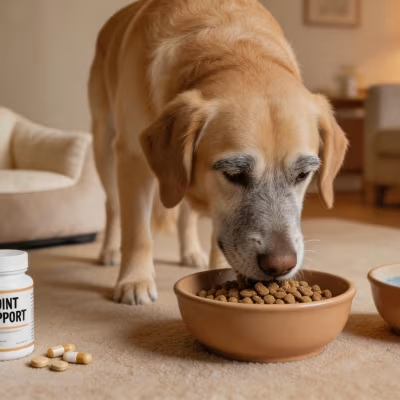
Nutrition determines a huge portion of your dog's long-term health. What you feed your dog directly impacts their weight, coat quality, energy level, and even their lifespan. We'll talk more about this, but the goal is feeding high-quality food appropriate for your dog's age, size, and health status.
Exercise and Mental Stimulation keep your dog physically fit and mentally happy. The right amount varies wildly depending on your dog's breed and age, but every dog needs regular movement and engagement. A bored, sedentary dog is more likely to develop behavioral problems and health issues.
Monitoring and Early Detection means staying observant. You're with your dog every day. You notice when their energy changes, when they're limping, when they're drinking more water than usual. Trust your instincts. If something seems off, it probably is.
Common Health Concerns at Different Life Stages
Your dog's health needs change as they age. Puppies need different things than adult dogs, who need different things than seniors.
Young puppies need a solid foundation: proper nutrition for growth, a full vaccination series, socialization, and parasite prevention. This is when you're building habits that will last their whole life.
Adult dogs (roughly 1-7 years) are typically their healthiest and most resilient. This is when preventive care really shines. Regular vet visits, staying at a healthy weight, and maintaining their vaccination schedule can prevent so much future trouble.
Senior dogs (7 and up, though this varies by breed) need more attention. Their health needs shift. Annual vet visits become twice-yearly visits. You start watching for arthritis, cognitive decline, and organ issues. Senior dogs benefit from adjusted nutrition, more frequent vet checkups, and sometimes medication to keep them comfortable.
The Role of Your Veterinarian
Here's something important: your vet is your partner in your dog's health, not just someone you visit when something's wrong. The best vets know your dog's baseline, their quirks, their family history. They can spot subtle changes that might signal a problem.
Build a relationship with your vet. Ask questions. If something doesn't feel right about your dog's health or your vet's recommendation, get a second opinion. This is your responsibility as a dog owner. Your vet works for you, and a good vet will welcome your questions and your involvement.
Nutrition: The Foundation of Health
You can't out-exercise or out-vet a bad diet. What goes in your dog's bowl has enormous long-term consequences. A dog fed high-quality nutrition will have better coat quality, more stable energy, healthier weight, and often live longer than a dog fed lower-quality food.
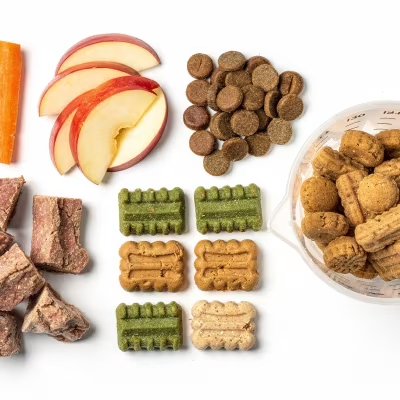
Look for foods with named meat proteins, not vague "meat by-products." Look at the ingredient list — if it looks like something you wouldn't eat, your dog probably shouldn't eat it either. The best dog foods have been evaluated by veterinary nutritionists and meet AAFCO standards.
Portion control matters too. Obesity is one of the biggest health issues in dogs today, and it directly leads to joint problems, diabetes, and shortened lifespans. Measure your dog's food, and don't give constant treats.
Dental Care: The Overlooked Critical Health Issue
More than 80% of dogs over age three have dental disease. This isn't just about bad breath — it's about bacteria entering the bloodstream and affecting the heart, kidneys, and liver. Yet dental care is something most dog owners completely neglect.
Brush your dog's teeth regularly. Yes, regularly. Like, several times a week. It sounds annoying, but it's one of the single most impactful things you can do for your dog's long-term health. Professional cleanings at your vet are also important — they clean below the gum line where bacteria hide.
Vaccinations: Protecting Against Preventable Disease
Vaccinations are one of modern veterinary medicine's greatest achievements. Core vaccines (rabies, DHPP) protect against serious, often fatal diseases. Your dog needs these. The schedule and frequency has evolved, and a good vet will tailor this to your dog's lifestyle and risk factors.
Optional vaccines depend on where you live and your dog's exposure risk. A hiking dog in tick-heavy areas might need Lyme protection. A dog that goes to dog parks might benefit from kennel cough vaccine. Discuss with your vet what makes sense for your situation.
Parasites: A Year-Round Concern
Fleas, ticks, worms, and heartworm aren't just uncomfortable for your dog — they're serious health threats. Year-round prevention is the smartest approach. Your vet can recommend the best options for your area and your dog's lifestyle.
This isn't an area to save money. Prevention is far cheaper and easier than treating a heartworm infection or dealing with a flea infestation in your home.
Exercise and Weight Management
A healthy weight is one of the best predictors of a long, happy life. Extra weight stresses joints, strains the heart, and increases diabetes risk. But the solution isn't complicated: appropriate exercise and appropriate portions.
Most dogs need daily exercise. A 20-minute walk might be perfect for a 10-year-old small dog, while a young Border Collie needs hours of activity. Know your dog's needs and meet them consistently.
Recognizing When Something's Wrong
You know your dog better than anyone. If they're acting different — more lethargic, drinking more water, limping, not eating, excessively scratching — that's worth a vet visit. Dogs can't tell you where it hurts.
Some signs need immediate attention: difficulty breathing, severe vomiting or diarrhea, inability to stand, apparent pain, or any sudden behavioral change. Others warrant a call to your vet within 24 hours.
Creating Your Dog's Health Plan
Think about this: you probably have a health plan for yourself. Why not for your dog? Write down their vaccination schedule, parasite prevention plan, dental care routine, and exercise goals. Add reminders for vet appointments. This simple act of organization can prevent you from missing important health maintenance.
Talk to your vet about what's right for your specific dog. Their age, breed, health status, and lifestyle all matter. A personalized plan is always better than generic advice.
The Long View
Good dog health isn't about heroic interventions or expensive treatments. It's about consistency. It's about showing up with good food, regular exercise, preventive care, and attention. It's about building a relationship with a vet you trust and listening when something seems off.
The wonderful thing about focusing on dog health is that the habits that keep your dog healthy often make you happier too. Walking regularly with your dog gets you moving. Feeding high-quality food gets you thinking about nutrition. Paying attention to your dog deepens your bond.
Your dog's health is in your hands. The good news is that most of what matters is simple, consistent, and absolutely worth doing.
FAQ: Common Dog Health Questions
How often should I take my dog to the vet? Puppies need multiple visits, adults typically need once yearly, and seniors benefit from twice-yearly checkups. Your vet will recommend what's best for your dog.
Is grain-free dog food better? Not necessarily. Your vet can help you find high-quality food that works for your dog, whether it includes grains or not.
Do dogs really need their teeth brushed? Yes. It's the single best way to prevent dental disease. Aim for several times weekly.
When is my dog considered senior? Generally 7 years old, but it varies by breed. Large breeds age faster than small breeds.
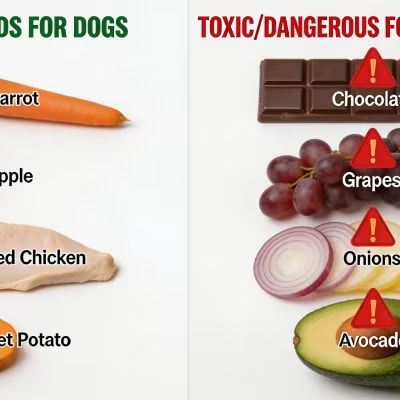
Can I use human medications for my dog? Never without explicit vet approval. Dosing is completely different, and some human medications are toxic to dogs.
What's the best flea prevention? Your vet can recommend the best option for your dog based on your area and lifestyle.
Is my dog overweight? If you can't feel their ribs easily or they have no visible waist, they might be overweight. Ask your vet.
Do older dogs need special food? Sometimes. Senior dogs may benefit from adjusted nutrition based on their health status.


0 Comments
No comments yet. Be the first to share your thoughts!
Leave a Comment