Multi-Cat Household: How to Keep the Peace
Many cat lovers dream of homes filled with multiple feline companions. While multi-cat households can work beautifully, they also present challenges. Cats are territorial animals with distinct personalities and preferences. Creating harmony in multi-cat homes requires understanding feline social dynamics, proper introduction techniques, and environmental management. This complete guide explores strategies for successful multi-cat living.
Can Cats Live Together Harmoniously?
Yes, many cats form genuine friendships and enjoy multi-cat homes. However, not all cats are inherently social. Personality, temperament, early socialization, and individual preferences determine whether specific cats will live peacefully together. Some cats are deeply social, actively seeking feline companionship. Others are solitary by nature, strongly preferring to be alone.
Age also influences compatibility. Young kittens often tolerate other cats better than adult cats set in their ways. Cats introduced during kittenhood sometimes form strong bonds. Adult cat introductions require more careful management but can succeed with patience.
Assessing Your Cat's Social Preferences
Before acquiring additional cats, honestly evaluate your current cat's personality. Does your cat seek out human interaction eagerly, or do they prefer quiet independence? Do they explore confidently, or do they hide and feel anxious in unfamiliar situations? Cats displaying these social and confident traits typically adjust better to multi-cat households.
Consider age and health. Elderly or ill cats may find additional cats stressful. Very young kittens (under 4-6 months) sometimes integrate more easily than adolescent cats.
If your current cat has never lived with other cats, proceed cautiously. Introducing a compatible companion requires time and proper technique, but it's possible even with previously solitary cats.
Preparing Your Home for Multiple Cats
The Critical Rule: Multiple Resources
The most important principle for multi-cat harmony is providing multiple resources. Cats are territorial, and competition for essential resources creates stress and conflict. Provide:
Multiple Litter Boxes: Use the standard formula of one box per cat plus one extra. In a two-cat household, provide three boxes. Place boxes in separate locations to prevent territorial blocking. Ensure boxes are accessible from multiple rooms, preventing situations where one cat monopolizes bathroom access.
Multiple Water and Food Bowls: Provide separate feeding stations in different areas. Some cats prefer feeding in quiet, out-of-the-way locations, while others like access to main areas. Multiple options accommodate different preferences.
Multiple Resting Areas: Provide numerous beds, perches, and hiding spots. Vertical territory including cat trees and wall-mounted perches gives cats options for escaping each other when needed.
Multiple Play Areas: Having toys and play spaces in various locations prevents territorial conflicts around these resources.
Territory and Space Planning
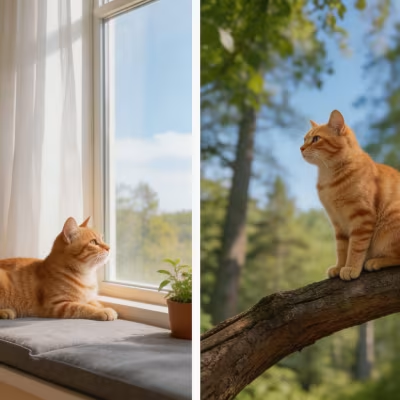
Despite limited physical space, create distinct territories for each cat. Vertical space multiplies available territory—cats at different heights don't feel as crowded. Window perches, shelves, and multi-level cat furniture create multiple territorial zones.
Provide escape routes and hiding spots. Covered beds, cardboard boxes, and enclosed spaces give cats places to retreat and feel secure when they need solitude.
The Introduction Process
Proper introduction is crucial to establishing positive relationships. Rushing introductions creates negative associations that persist indefinitely. Plan 2-4 weeks for a thorough introduction process.
Phase 1: Scent Introduction (Days 1-3)
Keep the new cat in a separate room with all necessary supplies. This allows current and new cats to become familiar with each other's scents before visual contact.
Swab the new cat's face with a towel and place the towel near your current cat's sleeping area. Do the reverse, placing items with your current cat's scent in the new cat's room. This scent swapping creates familiarity without stress.
Allow your current cat to sniff under the door of the new cat's room. If either cat shows stress signals—hissing, aggressive behavior—extend this phase. If both seem curious and calm, proceed to the next phase.
Phase 2: Visual Contact (Days 4-7)
Once both cats are calm about scents, allow visual contact through a baby gate or cracked door. Keep initial meetings short—5-10 minutes. If either cat shows aggression, close the door and resume Phase 1.
Feed both cats on opposite sides of a closed door. This pairs each other's presence with positive experiences (food). Gradually move bowls closer to the door over several days.
Phase 3: Supervised Meetings (Days 8-14)
Allow supervised meetings in a neutral room. Have an exit route for your current cat, allowing escape if needed. Play with both cats together, redirecting focus toward toys rather than each other.
Keep meetings brief initially, extending duration as cats remain calm. Separate them between meetings, returning them to their rooms. This gradual exposure prevents overwhelming either cat.
Phase 4: Cohabitation (Days 15+)
Once cats show sustained calm during meetings, gradually allow unsupervised time together. Start with short periods while you're home, extending duration as their relationship develops.
Maintain the introduction space (new cat's room) for several weeks. Never force them out completely—having a retreat space reduces stress and allows gradual integration.
Watch for signs of stress or conflict. Some cats need months to develop tolerance; others become immediate friends. Patience pays dividends.
Managing Stress and Aggression
Stress Signals
Cats experiencing multi-cat stress display various signs. Hiding, loss of appetite, or elimination outside the litter box indicate distress. Excessive grooming, tail twitching, or backward-facing ears show anxiety.
If either cat shows severe stress, slow the introduction process or consult your veterinarian about temporary medicationscalming medications.
Aggression Management
Some cats display aggression toward new cats. Hissing and swatting are normal warning behaviors. However, escalating to physical fights requires intervention.
Separate cats immediately if fighting occurs. Return to earlier introduction phases. Consider Feliway diffusers to reduce anxiety. In some cases, cats simply aren't compatible, and maintaining separate homes is necessary.
Environmental Enrichment for Multiple Cats
Enrichment becomes even more important in multi-cat homes. Inadequate stimulation increases stress and tension. Provide:
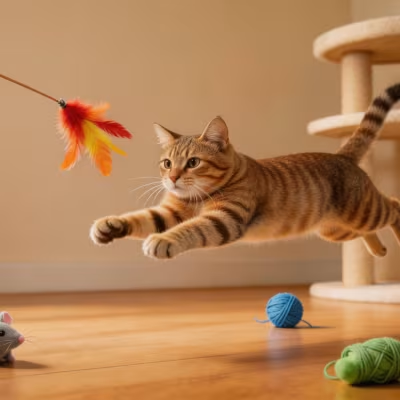
Interactive Play: Multiple daily play sessions direct predatory energy toward appropriate targets rather than each other.
Environmental Variety: Rotate toys, provide new climbing structures, and create interesting spaces to explore.
Feeding Enrichment: Puzzle feeders and scattered feeding engage natural foraging behaviors.
Well-enriched cats are less likely to create conflict through boredom or frustration.
Monitoring Relationships
Not all multi-cat relationships look identical. Some cats become best friends, sleeping together and grooming each other. Others tolerate each other peacefully while maintaining independence. Both outcomes indicate successful cohabitation.
Watch for positive signs: cats eating near each other, resting in proximity, or engaging in play. Cats coexisting peacefully without constant tension are successfully cohabiting, even if they're not close friends.
When Separation Becomes Necessary
Despite best efforts, some cats are simply incompatible. Persistent fighting, extreme stress, or inability to share resources safely may necessitate permanent separation.
This doesn't constitute failure. Some cats are solitary creatures whose well-being requires being single cats. Maintaining separate spaces—whether different rooms or separate homes—is preferable to constant conflict.
Special Considerations
Age Differences
Kittens and adult cats sometimes develop strong bonds, particularly if the adult cat is naturally social. However, elderly cats may find kittens' constant activity stressful. Senior cats might benefit from calmer, older feline companions.
Male and Female Cats
There's no strong evidence that particular gender combinations work better than others. Personality matters far more than gender. However, unneutered/unspayed cats may show more territorial behavior, making spay/neuter essential before multi-cat living.
Outdoor/Indoor Mix
Mixing outdoor and indoor cats in a home requires careful management. Outdoor cats may carry parasites or diseases affecting indoor cats. Provide additional litter boxes and separate resources to minimize stress from the indoor-outdoor lifestyle difference.
The Benefits of Multi-Cat Homes
Successfully managed multi-cat households provide companionship for your cats and tremendous joy for you. Watching cats play together, comfort each other, and share their lives creates special moments. Multiple cats provide each other with stimulation and companionship, potentially reducing loneliness or anxiety.
Multi-cat homes require effort, planning, and commitment to proper management. However, the rewards—watching feline friendships develop and enjoying the unique dynamics of a cat family—make the investment worthwhile. With patience, understanding, and strategic environmental management, your multi-cat household can achieve the harmony and joy you envision.



0 Comments
No comments yet. Be the first to share your thoughts!
Leave a Comment