Understanding and Gently Curbing Your Dog's Constant Face Licking
Hello there, fellow pet parents! Dr. Edward Hale here, and in my 15 years as a veterinarian, I've had countless conversations about one of the most common, endearing, yet sometimes exasperating canine behaviors: face licking. It’s a classic doggy display of affection, often starting with a gentle nudge and quickly escalating into what feels like a full-on slobber session. While a quick "love lick" can be sweet, constant face licking can become disruptive, unhygienic, and, let's be honest, a bit much!
If you're wondering
how to stop a dog from constantly licking your face
Why Do Dogs Lick Faces? Unraveling the Canine Code
Before we can address the behavior, it's essential to understand the "why" behind it. Dogs communicate through a complex language of body postures, vocalizations, and, yes, licking! Here are some of the most common reasons your dog might be trying to give you a thorough scrub:
- Affection and Greeting: This is often the first reason that comes to mind. For many dogs, licking is a deep-seated instinct learned from their mothers who lick their pups to groom and stimulate them. When they lick your face, especially after you've been away, it's a strong sign of bonding, love, and a joyful greeting. They're saying, "I missed you!" or "I'm so happy you're here!"
- Attention-Seeking: Let's be honest, when your dog licks your face, you usually react, right? Even if it's a gentle push away or a verbal "no," that's still attention. Dogs are incredibly smart and quickly learn which behaviors elicit a response from us. If constant licking gets them what they want – be it a pet, a word, or even a glance – they'll continue doing it. This is a crucial factor when you're
training a dog to stop licking people's faces
. - Taste and Scent Exploration: Your skin, especially after a workout or on a warm day, can taste salty. Dogs are drawn to these natural flavors and scents. Your face also carries unique smells that dogs use to gather information about you and your environment. They're simply exploring their world through their powerful sense of smell and taste. If you've ever wondered
why does my dog keep licking my mouth and face
, sometimes it's as simple as the residual scent of your last meal! - Submissiveness or Appeasement: In a pack environment, lower-ranking wolves or dogs will lick the faces of higher-ranking individuals. This can be a sign of deference, acknowledging your leadership, or simply trying to diffuse a tense situation if they perceive you to be upset.
- Nurturing or "Mothering" Instinct: Some dogs extend a gentle, caring lick to their human companions, much like a mother dog would care for her pups. This is particularly common in highly bonded dogs.
- Anxiety or Stress (less common for specific face licking): While not typically the primary reason for constant face licking in particular, excessive licking in general can sometimes be a sign of underlying anxiety or stress. If your dog exhibits other signs of stress like pacing, panting, destructive behavior, or generalized compulsive licking (e.g., of paws or objects), a veterinary check-up is warranted to rule out medical or behavioral disorders.
Step-by-Step Guide: How to Gently Curb Constant Face Licking
Now that we understand the motivations, let's dive into some
effective ways to prevent dog face licking
without creating a negative experience for your beloved pet. Remember, consistency and patience are your best friends here!Step 1: Understand and Observe the Triggers
- Before you start training, pay close attention to when and where the face licking occurs most frequently. Is it when you first come home? When you sit on the couch? During cuddle time? Identifying these triggers will help you anticipate and proactively manage the behavior. For example, if
my dog won't stop licking my face when I sit down
, that's a key moment to implement your strategy.
Step 2: Be Consistent with Your Response
- This is paramount! Every family member must respond to face licking in the exact same way, every single time. Inconsistency will only confuse your dog and prolong the training process.
Step 3: Immediately Disengage or Redirect
- The moment your dog’s nose nears your face for a lick, or if a lick occurs, immediately disengage.
- Turn Your Head Away: If a lick happens, turn your face completely away. This removes the "target" and sends a clear, non-verbal message: "This behavior does not get my attention."
- Stand Up and Walk Away: If simply turning your head isn't enough, immediately stand up and walk a few steps away. This removes all access to your face and ends the interaction. It's a mild consequence that signals the behavior is not desired.
- Offer an Alternative: As you disengage, immediately redirect their attention. Offer a favorite chew toy, a puzzle toy, or a lick mat smeared with peanut butter (ensure it's xylitol-free!). The idea is to give them an acceptable outlet for their licking or chewing instinct.
Step 4: Teach an Alternative Greeting Behavior
- Instead of greeting you with enthusiastic licking, teach your dog an incompatible, calmer behavior.
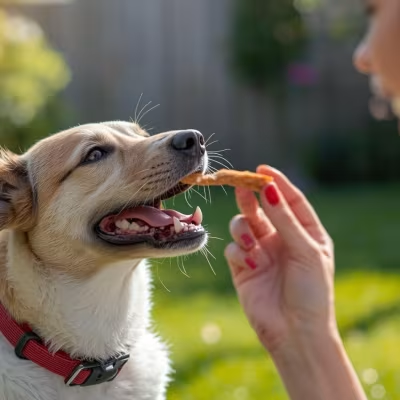
- "Sit" or "Down": When you come home, before they even have a chance to jump up or lick, ask for a "sit" or "down." Reward them with praise, a gentle scratch behind the ears, or a small treat for this calm greeting. Practice this frequently.
- "Four on the Floor": Teach them that all four paws must be on the floor to receive attention. If they jump, disengage immediately.
Step 5: Use a Verbal Cue for "No Licks" (Optional)
- While non-verbal cues are powerful, you can also introduce a gentle verbal cue. The moment your dog attempts to lick, you can calmly say "No licks" or "Off." This isn't meant as a scolding, but as a consistent signal paired with your disengagement.
Step 6: Reinforce Calm and Desired Behavior
- This is where the magic happens! Actively praise and reward your dog when they choose not to lick or when they present an alternative, calm behavior. If they approach you calmly without licking, immediately give them gentle praise, a pet on the chest or side (away from the face), or a small treat.
- The goal is to show them, "This behavior (calm, sitting, playing with a toy) gets my attention and affection, while licking my face does not."
Step 7: Manage the Environment
- If face licking is rampant when you're relaxing on the couch, consider temporarily making the couch a "no dog zone" during training phases, or use a physical barrier to prevent direct access to your face. You can also offer a dog bed nearby where they can relax and still be close to you, rewarding them for staying there.
Step 8: Ensure Adequate Physical and Mental Stimulation
- A tired dog is often a well-behaved dog. Boredom and pent-up energy can lead to attention-seeking behaviors, including excessive licking. Ensure your dog gets plenty of exercise appropriate for their breed and age, along with mental stimulation through puzzle toys, training sessions, and interactive games.
Common Mistakes Pet Owners Make When
Managing Excessive Dog Licking Behavior on Faces
- Inconsistency: Allowing it sometimes but not others sends mixed signals, making it impossible for your dog to understand what you want.
- Punishment: Yelling, pushing your dog away roughly, or scolding can create fear, anxiety, or even resentment. It doesn't teach them what to do, only what not to do (and often not even that effectively).
- Giving In "Just This Once": We've all been there – it's cute for a second, and then it's a full onslaught. But even one "just this once" can undo days or weeks of consistent training.
- Lack of Redirection: Simply stopping the unwanted behavior isn't enough. You must always provide an acceptable alternative for their instincts and energy.
- Not Addressing Underlying Needs: If your dog is bored, anxious, or not getting enough exercise, simply telling them "no" to licking won't solve the root problem, and the behavior may resurface or manifest in other ways.
Pro Tips from Dr. Hale's Clinical Experience
- The "Invisible Barrier": When a dog approaches for a lick, instead of pushing them physically, gently raise your hand (palm flat, fingers relaxed) like an invisible barrier without touching them. Say "No licks" or "Easy." This creates a clear boundary without physical force.
- Positive Interruption, Not Punishment: Instead of a harsh "No!", use a sharp, positive sound like a tongue click or a gentle "Eh-eh!" to interrupt the behavior, then immediately redirect. It's about breaking their focus gently.
- Desensitize to Proximity: Gradually work on having your dog near your face without licking. Start with very short periods, rewarding them for calm proximity. Slowly increase the duration. You can use a specific command like "Kiss" for a quick, controlled lick on your hand if you want to allow some licking in a controlled manner.
- Consider a Mild, Safe Deterrent (Use with Extreme Caution!): For persistent lickers, you can apply a tiny, non-toxic, dog-safe bitter apple spray (available at pet stores) to your hands or clothes near your face, NOT directly on your face. Most dogs dislike the taste and will quickly learn that licking you isn't rewarding. Always test a tiny amount first and ensure it’s safe for pets. I generally prefer redirection over deterrents as the primary method.
- Consult a Certified Professional Dog Trainer (CPDT): If you're struggling to make progress or the licking is coupled with other behavioral issues like excessive jumping, nipping, or anxiety, don't hesitate to seek help from a certified professional dog trainer or a veterinary behaviorist. They can offer personalized guidance and training plans.
When to See a Vet About Excessive Licking
While most constant face licking is a behavioral issue that can be managed with consistent training, there are instances where a veterinary consultation is crucial. Always prioritize your pet's health and well-being.
- Sudden Onset or Increase in Generalized Licking: If your dog suddenly starts licking everything excessively – their paws, furniture, floors, or themselves – in addition to your face, this can be a red flag. It might indicate underlying pain (e.g., joint pain, dental pain), nausea, allergies, skin irritation, or even neurological issues.
- Obsessive-Compulsive Tendencies: If the licking becomes compulsive, repetitive, or leads to skin irritation, hair loss, or self-mutilation, it's time to see a vet. This could be a sign of a canine compulsive disorder.
- Accompanying Symptoms: If the licking is accompanied by other symptoms such as lethargy, loss of appetite, changes in thirst or urination, vomiting, diarrhea, limping, or any other signs of illness, schedule an immediate veterinary visit.
- Anxiety or Stress-Related Licking: If you suspect the excessive licking is primarily driven by generalized anxiety (e.g., separation anxiety, noise phobias, generalized anxiety disorder), a vet can help diagnose and discuss treatment options, which might include medication, calming supplements, or referral to a veterinary behaviorist.
- Behavior Unresponsive to Training: If you have diligently and consistently applied the training methods outlined above for several weeks to months and see no significant improvement, a vet can help rule out underlying medical causes or refer you to a specialized behavior professional.
Frequently Asked Questions About Dog Licking
Q1: Is dog saliva harmful to humans?
Generally, for healthy individuals, the risk from dog saliva is low. However, dog mouths do contain bacteria (different from human bacteria) that can cause infections if introduced into open wounds, cuts, or mucous membranes (like eyes or mouth). It's always best practice to wash your hands after interacting with your dog and to avoid allowing them to lick open cuts or your mouth, especially if you have a compromised immune system.
Q2: Will my dog feel rejected if I stop them from licking my face?
No, not if done correctly with positive reinforcement and alternative expressions of affection. Dogs thrive on clear communication and consistency. By redirecting the licking and rewarding desired behaviors, you're not rejecting them; you're teaching them an acceptable way to interact and receive your affection. Your bond will only strengthen as they learn to understand your boundaries.
Q3: Can I ever let my dog lick my face again, even after training?
You can! Once your dog understands the "no licks" cue and offers alternative greetings consistently, you can teach a specific "kiss" command for a quick, controlled lick on your hand or cheek. This allows you to maintain control and permit affection on your terms, without letting it escalate into a full face wash. Just ensure you are consistent with the command and reward only for that specific, controlled lick.
Q4: How long does it take to stop constant face licking?
The timeline varies significantly depending on your dog's individual personality, how ingrained the behavior is, and your consistency with training. Some dogs might show improvement in a few weeks, while others may take a few months to fully grasp the new rules. Patience is key. Stick with it, and you will see results!
Conclusion
Managing your dog's constant face licking is a journey of understanding, patience, and consistent positive reinforcement. Remember, your dog isn't trying to annoy you; they're communicating and showing affection in a way that's natural to them. By understanding their motivations and gently guiding them towards alternative behaviors, you can enjoy a loving, respectful relationship without the constant slobbery greetings.
Prioritize your dog's emotional well-being by using gentle, positive training methods, and never hesitate to reach out to your veterinarian or a certified professional dog trainer if you encounter challenges. Together, we can ensure your home is a happy, healthy, and less slobbery place for everyone!


0 Comments
No comments yet. Be the first to share your thoughts!
Leave a Comment