Senior Cat Care: Keeping Your Aging Cat Comfortable
As cats age, their needs change significantly. Senior cats, typically those over 10-12 years old, experience physical and behavioral changes requiring adjusted care approaches. While aging brings inevitable challenges, proper management allows senior cats to remain comfortable, engaged, and happy throughout their later years. This complete guide explores the needs of aging cats and provides practical strategies for optimizing their quality of life.
Understanding Senior Cat Changes
Physical Changes
Aging cats experience progressive physical changes. Vision and hearing often decline, making cats more reliant on smell and touch for navigation. Cognitive function may decrease, leading to confusion or behavioral changes. Muscle mass naturally decreases, causing weakness and reduced mobility.
Arthritis and joint pain become increasingly common as cats age. Kidneys lose efficiency, affecting their ability to concentrate urine and regulate hydration. Dental disease, thyroid problems, and other chronic conditions become more prevalent. These changes require proactive management to maintain comfort and function.
Behavioral Changes
Senior cats often sleep significantly more than younger cats, sometimes 16-20 hours daily. They may become less interested in play, preferring quiet time and reduced stimulation. Some senior cats become more vocal, especially if experiencing cognitive decline or pain.
Changes in litter box habits, including increased urination or accidents outside the box, are common. Behavioral changes sometimes indicate medical issues requiring veterinary evaluation. Distinguishing between normal aging and medical problems ensures appropriate intervention.
Nutrition for Senior Cats
Dietary Adjustments
Senior cats have different nutritional needs than younger adults. Reduced activity levels mean lower calorie requirements to prevent obesity, which exacerbates joint problems and other health issues. Quality protein becomes increasingly important to preserve muscle mass despite reduced activity.
Dietary fiber aids digestive function and helps regulate weight. Omega-3 fatty acids support joint health and cognitive function. Some senior cats benefit from therapeutic diets designed for specific conditions like kidney disease or arthritis.
Discuss nutrition with your veterinarian. They may recommend prescription diets formulated for senior cats or specific health conditions. Monitor your senior cat's weight regularly, adjusting food portions as needed.
Feeding Modifications
Senior cats with dental disease may struggle with dry kibble. Softening kibble with water or switching to wet food improves palatability and ease of consumption. Improved food bowls reduce strain on aging joints during eating.
Multiple small meals throughout the day sometimes work better than one or two larger meals for aging cats. Ensure fresh water is always available, as kidney disease increases water needs. Some cats prefer running water from fountains to still water in bowls.
Environmental Modifications
Accessibility
Senior cats with arthritis benefit from ramps or steps providing access to favorite perches, beds, or furniture. Litter boxes with low sides ease entry for cats with mobility issues. Providing multiple litter boxes in convenient locations helps senior cats with incontinence or frequent urination.
Keep food, water, and litter boxes on the same floor level to minimize stair climbing. Place beds and rest areas in quiet, comfortable locations away from household activity.
Comfort Considerations
Warm, orthopedic beds provide comfort and support for arthritic joints. Heated beds, particularly valuable during cold months, help senior cats remain comfortable. Ensure beds are easily accessible without requiring jumping or climbing.
Provide cozy hiding spots and improved perches where senior cats feel secure. Some cats enjoy heated blankets or pads, though ensure these have safety features preventing overheating.
Temperature Control
Senior cats are more sensitive to temperature extremes. Maintain consistent, moderate temperatures. Provide warm areas during cold months and cool spots during warm weather. Avoid sudden temperature changes, which stress aging cats.
Healthcare for Senior Cats
Increased Veterinary Monitoring
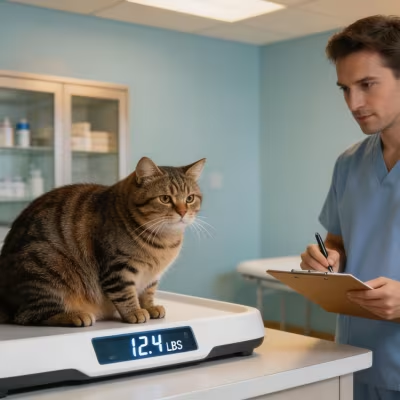
Senior cats should visit their veterinarian every 6 months instead of annually. More frequent checkups allow early detection of health changes. Your veterinarian can assess mobility, pain levels, and overall health, catching developing problems before they become serious.
Be prepared to describe appetite changes, water consumption, litter box habits, activity level, and behavioral changes. These observations help your veterinarian identify underlying health issues.
Preventive Health Screening
Regular bloodwork and urinalysis detect kidney disease, thyroid problems, and other conditions common in senior cats. Early detection often allows medical intervention slowing disease progression. Dental examinations identify tooth disease requiring attention.
Dental cleaning and extraction of diseased teeth prevent infection and improve quality of life. Your veterinarian may recommend more frequent professional cleanings for senior cats with dental disease.
Pain Management
Arthritis causes significant discomfort in many senior cats. Pain management may include medications, supplements, or environmental modifications. Some cats benefit from acupuncture or laser therapy. Discuss pain management options with your veterinarian to keep your senior cat comfortable.
Monitor for signs of pain including reluctance to jump, difficulty using litter boxes, behavioral changes, or reduced appetite. Report these signs immediately, as pain management significantly improves quality of life.
Managing Common Senior Cat Conditions
Chronic Kidney Disease
Progressive kidney disease affects many senior cats. Management includes specialized diets, medications, and fluid supplementation. Subcutaneous fluids, administered at home, help maintain hydration and support kidney function.
Monitor water consumption and urination patterns, reporting changes to your veterinarian. Regular blood work monitors kidney values and guides treatment adjustments.
Hyperthyroidism
Excessive thyroid hormone causes weight loss, increased appetite and activity, and excessive vocalization despite advanced age. Treatment options include medication, radioactive iodine therapy, or surgery. Early treatment prevents complications including heart disease.
Diabetes
Senior cats sometimes develop diabetes, requiring insulin injections and dietary management. Many cats achieve remission with appropriate diet and treatment. Your veterinarian provides instructions for insulin administration and blood glucose monitoring.
Cognitive Dysfunction
Some senior cats develop feline cognitive dysfunction, similar to dementia, causing disorientation, confusion, behavioral changes, and altered sleep-wake cycles. Environmental enrichment, medication, and dietary supplements may help. Maintaining consistent routines and providing comfort reduce stress.
Quality of Life Considerations
Maintaining Engagement
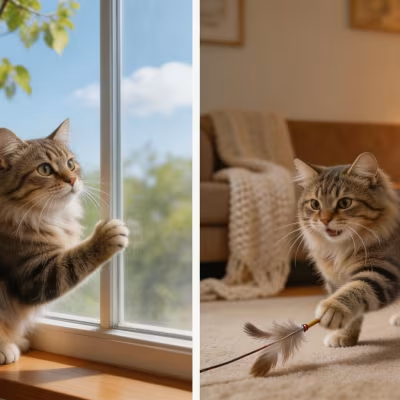
Keep senior cats mentally stimulated through gentle play, puzzle feeders, or window perches for bird watching. Maintain consistent daily routines, which provide security and comfort for aging cats.
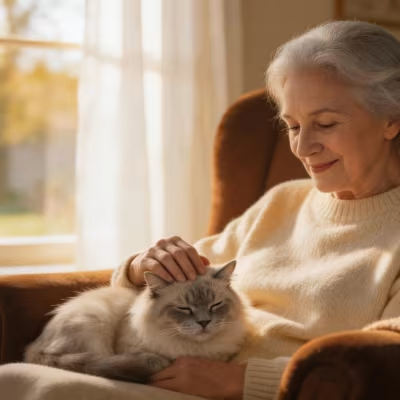
Interact with your senior cat at their preferred level. Some enjoy gentle petting and cuddles; others prefer independent time. Respecting individual preferences ensures positive interactions.
Recognizing End-of-Life Signs
Eventually, even with excellent care, senior cats decline. Recognizing signs of suffering helps you make compassionate decisions. Signs of declining quality of life include:
- Persistent loss of appetite or drinking
- Uncontrollable pain despite medication
- Inability or unwillingness to move to food, water, or litter boxes
- Loss of interest in all activities
- Behavioral changes suggesting confusion or distress
- Difficulty breathing
- Loss of bowel or bladder control despite easy access to facilities
Euthanasia and End-of-Life Care
When suffering outweighs comfort, euthanasia provides a peaceful end, sparing your cat unnecessary pain. Your veterinarian can discuss euthanasia as a compassionate option. Many veterinarians offer home euthanasia, allowing your cat to pass peacefully in familiar surroundings.
Grieve your senior cat appropriately. Creating small memorials or ceremonies helps process the loss of your long-time companion.
Cherishing Your Senior Cat
Your senior cat has provided years of companionship and love. Appropriate care, attention to changing needs, and compassionate management of age-related challenges honor that relationship. Regular veterinary care, environmental modifications, and attention to comfort allow your senior cat to enjoy quality time with your family.
Every stage of your cat's life has value. The quiet companionship of a senior cat, the gentle presence, and years of shared experiences represent one of pet ownership's greatest rewards. By prioritizing your senior cat's comfort and well-being, you ensure their final years reflect the care and affection they've given you throughout their life.


0 Comments
No comments yet. Be the first to share your thoughts!
Leave a Comment