Maine Coon: The Gentle Giant Cat
Maine Coons represent one of the largest domestic cat breeds, earning the affectionate title of gentle giants. These magnificent cats combine impressive size with surprisingly gentle temperaments, remarkable intelligence, and deep loyalty to their families. Understanding Maine Coons fully requires appreciating their unique characteristics, substantial care requirements, and exceptional personalities.
Origins and Breed History
Maine Coons originated in Maine, where they adapted to harsh New England winters. Their large size, water-resistant coats, and hardy nature reflect natural selection for survival in challenging climates. These cats were highly valued on ships and farms for rodent control, developing independent, capable personalities.
The breed nearly disappeared during the early twentieth century as long-haired cats gained popularity. However, dedicated breeders revived Maine Coons, and the breed regained prominence. Today, Maine Coons rank among the most popular cat breeds globally.
Distinctive Physical Characteristics
Maine Coons are dramatically larger than average cats. Males typically weigh 13-18 pounds, with some individuals reaching 25 pounds. Females are slightly smaller but still substantial at 8-12 pounds.
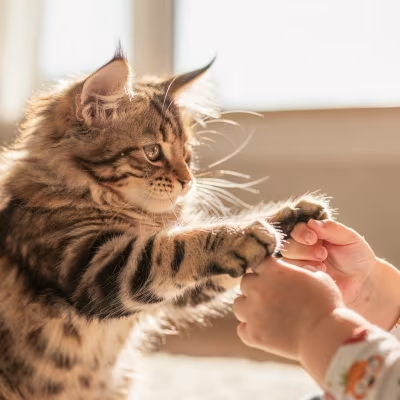
Their impressive size combines with distinctive features—bushy, plumed tails, tufted ears, and muscular builds. Their rectangular bodies, long legs, and large paws give them athletic, powerful appearances. Their heads are medium-sized relative to bodies, with high cheekbones and alert expressions.
Maine Coons have semi-long, shaggy double coats with water-resistant properties. Coats come in virtually all colors and patterns except chocolate, lavender, or Siamese colorpoint patterns. Their long fur requires significant grooming, though it's less dense than Persians, making maintenance somewhat easier.
Their large, tufted ears and expressive eyes give them intelligent, observant expressions perfectly matching their actual temperaments.
Temperament and Personality
Despite their imposing size, Maine Coons are renowned for gentle, affectionate temperaments. These cats form deep bonds with families and often follow owners throughout homes, interested in all activities.
Maine Coons are highly intelligent, demonstrating problem-solving abilities and trainability unusual in cats. Many learn to walk on leashes, play fetch, and respond to commands. They're genuinely interested in human activities and enjoy participating in household life.
They're social cats that enjoy companionship but respect personal space. They'll often sit nearby rather than on laps, preferring proximity over physical contact. However, many Maine Coons develop close bonds, greeting owners enthusiastically and enjoying chin scratches and attention.
These cats are playful throughout their lives, maintaining kitten-like enthusiasm well into adulthood. They enjoy interactive toys, climbing structures, and games engaging their intelligent minds.
Maine Coons are: generally vocal, communicating through chirps, trills, and quiet meows rather than loud vocalizations.
Health Considerations
Maine Coons are generally healthy, but several genetic conditions warrant attention. Hip dysplasia, though less common than in dogs, affects some Maine Coons. Responsible breeders screen for this condition.
Hypertrophic cardiomyopathy, a heart condition, occurs in the breed. Cardiac screening through echocardiograms before breeding helps minimize this condition. If you have a Maine Coon, regular veterinary check-ups monitoring heart health are important.
Spinal muscular atrophy, a progressive neuromuscular condition, occurs in some Maine Coons. Genetic testing allows breeders to avoid producing affected individuals. Ask breeders about SMA testing.
Polycystic kidney disease affects some Maine Coons. Ultrasound screening before breeding helps prevent this condition.
Responsible Maine Coon breeders conduct health screening and genetic testing before breeding. When selecting breeders, request documentation of health clearances.
Maine Coons have average lifespans of 12-15 years, though many live into their late teens or early twenties with excellent care.
Exercise and Activity Needs
Despite their size, Maine Coons don't require excessive exercise. These indoor cats enjoy climbing, jumping, and interactive play but are content with moderate activity.
Provide climbing structures, cat trees, and vertical spaces. Maine Coons love climbing and surveying their domains from improved positions. Multi-level cat trees accommodate their size and preferences.
Interactive play with toys, fishing-pole toys, or laser pointers engages their intelligent minds. Daily play sessions maintain physical fitness and mental stimulation.
Many Maine Coons enjoy use training and outdoor exploration on leashes. This provides environmental enrichment and satisfies their curious, adventurous natures.
Grooming and Coat Care
Maine Coon grooming is more demanding than average cats but less intensive than Persians. Their thick, sometimes matting-prone coats require regular maintenance.
Brush Maine Coons 3-4 times weekly to prevent matting and maintain coat health. Daily brushing during shedding seasons controls loose hair. Long-haired coats mat relatively quickly if neglected, so consistent grooming is important.
Bathe Maine Coons occasionally (monthly or as needed) to maintain coat quality. Many Maine Coons tolerate bathing better than other cats, particularly if introduced to water early.
Trim nails every 2-3 weeks. Clean ears weekly, as their tufted ears can trap dirt and moisture. Brush teeth daily to maintain dental health.
Nutrition and Feeding
Maine Coons require high-quality diets with adequate protein (30%+ for adults) supporting their large size and active nature. Choose foods specifically formulated for larger cats when possible.
Feed Maine Coons appropriate portions based on age and activity level. Despite their size, obesity impacts health negatively. Maintain healthy weight through measured portions and regular activity.
Kittens require specialized kitten food with appropriate nutrient ratios supporting proper growth. Slow, controlled growth prevents skeletal problems. Feed kittens 3-4 times daily until 6 months, then transition to twice-daily feeding.
Provide fresh water constantly. Some Maine Coons prefer running water from fountains—water fountains encourage hydration.
Training and Socialization
Maine Coons are highly trainable, unusual for cats. Their intelligence and people-focus facilitate learning.
Early socialization ensures confidence around various people and situations. Expose kittens to diverse experiences, sounds, and environments.
Many Maine Coons learn to walk on usees and leashes, sit on command, or play fetch. Use positive reinforcement—treats and praise—to encourage behaviors. Avoid punishment, which damages trusting relationships.
These intelligent cats benefit from enrichment activities, puzzle feeders, and training sessions. Mental stimulation prevents boredom and destructive behaviors.
Creating Appropriate Environments
Maine Coons need space appropriate to their size. Apartments accommodate them, but larger spaces with climbing opportunities are ideal.
Provide substantial vertical space through cat trees, shelves, or wall-mounted structures. Maine Coons enjoy improved positions for surveying their domains.
Ensure windows for bird watching, providing mental stimulation and entertainment. Window perches accommodate their size and preferences.
Provide interactive toys maintaining engagement. Rotate toys regularly to maintain novelty. Puzzle feeders provide mental stimulation during feeding.
Social Needs and Compatibility
Maine Coons are social cats enjoying human companionship. They're often described as dog-like in their desire to be part of family activities.
They generally coexist peacefully with other cats, dogs, and cat-friendly environments. Early socialization with other pets facilitates positive relationships.
They're not suited for homes where they'd be left alone for extended periods. These social cats suffer from isolation and separation anxiety.
Maine Coons adapt well to active, engaged households where they're included in daily activities.
Is a Maine Coon Right for You?
Maine Coons suit families willing to provide regular grooming, substantial space, and genuine engagement. They're ideal for active households where cats are included in family life.
They're not appropriate for people wanting low-maintenance, aloof cats. Maine Coons require commitment to grooming and interaction.
They're excellent for families with children and for people wanting cats that actively participate in household life. Their gentle temperaments and tolerance make them suitable for busy households.
Financially, be prepared for higher-quality food, regular grooming costs, and veterinary care. These substantial cats have correspondingly substantial needs.
Conclusion
When people talk about the Maine Coon, they usually mention Their affectionate nature, trainability, and active participation in family life make them extraordinary companions.. However, their grooming needs and space requirements demand commitment from owners.. For those prepared to meet their needs, Maine Coons become cherished family members whose gentle personalities and loyal companionship enrich lives for years to come.

0 Comments
No comments yet. Be the first to share your thoughts!
Leave a Comment