Hello everyone, Dr. Edward Hale here, your trusted veterinarian with 15 years of experience in helping pets and their human companions live their best lives together. Today, we're going to dive into a fun, engaging, and surprisingly quick trick that can significantly strengthen the bond with your canine friend: the high five! You might be thinking, "Teach my dog to high five in just 5 minutes? Is that even possible?" With the right approach, positive reinforcement, and a little patience, you'd be amazed at what your dog can learn. This isn't just about showing off; it's a fantastic way to engage your dog mentally, build confidence, and deepen your communication.
As a vet, I’ve seen firsthand how engaging in positive training activities like teaching tricks can transform a dog's demeanor and improve their overall well-being. It’s an investment in their happiness and your relationship.
The Benefits of Teaching Your Dog Tricks
Before we jump into the "how-to," let's chat for a moment about why teaching your dog tricks is so beneficial. It goes far beyond simply impressing your friends.
- Mental Stimulation: Just like humans, dogs need mental exercise to thrive. Learning new commands and tricks challenges their brains, prevents boredom, and can even reduce destructive behaviors that often stem from a lack of engagement.
- Strengthens Your Bond: Training sessions are prime opportunities for positive interaction. When you work together, communicate effectively, and celebrate successes, you build trust and reinforce your relationship. Your dog learns to look to you for guidance and positive experiences.
- Boosts Confidence: For shy or anxious dogs, mastering a new trick can be a huge confidence booster. They learn they are capable, smart, and can earn rewards for their efforts. This self-assurance can spill over into other areas of their life.
- Improves Communication: Training helps your dog understand what you're asking of them, and it teaches you to better read their body language. This two-way communication is vital for a harmonious household.
- Foundation for Other Skills: Many tricks, including the high five, build on foundational skills and can serve as stepping stones for more complex behaviors or even competitive dog sports.
So, whether you're interested in easy dog tricks for beginners high five or simply looking for a new way to interact with your furry companion, this trick is a fantastic starting point.
Prerequisites for Success
While we're aiming for a quick lesson, a few things will set you and your dog up for the best possible outcome:
- Your Dog Knows "Sit": The "sit" command provides a stable, focused starting position for the high five. If your dog isn't solid on "sit," practice that first.
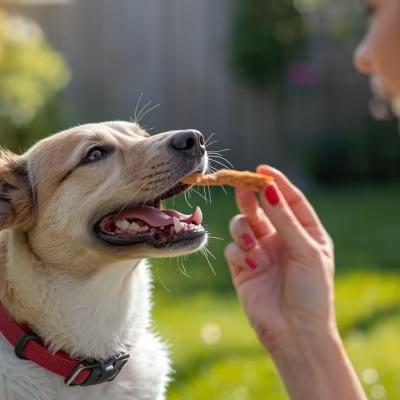
- High-Value Treats: These are treats your dog absolutely loves – small, soft, and easy to chew. Think tiny pieces of cooked chicken, cheese, or specialty training treats. They need to be highly motivating!
- A Quiet Environment: Start in a place with minimal distractions so your dog can focus solely on you and the task at hand.
- A Positive Attitude: Your enthusiasm is contagious! Keep sessions light, fun, and free of frustration.
Step-by-Step: How to Teach Your Dog to High Five Quickly
Let's get down to business! Remember, the "5 minutes" is a goal, and some dogs might pick it up faster, others a little slower. The key is to capture the right behavior and reward it immediately. This step by step guide to high five dog trick is designed for clarity and efficiency.
Step 1: Get Your Dog into a Sit Position
Ask your dog to "sit" directly in front of you. This is their starting point. Praise and reward them for sitting to set a positive tone.
Step 2: Lure the Paw (The Crucial First Movement)
Hold a high-value treat in your closed fist. Present your fist low to the ground, just under your dog's nose, and slowly move it slightly backward and down towards their chest, just out of reach. Most dogs will try to get the treat by nudging, licking, or pawing at your hand. You are waiting for that paw lift! The moment your dog lifts a paw, even slightly, to investigate or paw at your hand, mark it (with a verbal marker like "Yes!" or a clicker) and immediately open your hand to give them the treat.
Don't wait for them to fully touch your hand yet. We are just capturing the initial paw lift.
Step 3: Repetition and Refinement
Repeat Step 2 several times. Each time your dog lifts their paw, mark the behavior ("Yes!" or click) and reward them. Your dog will start to understand that lifting their paw gets them a treat. Keep sessions very short – just a few repetitions at a time to prevent boredom or frustration.
Step 4: Introduce Your Open Palm Hand Signal
Once your dog is consistently lifting their paw when you present your closed fist, it's time to introduce the high five hand signal. Instead of a closed fist, present your open palm (like you're asking for a high five) in the same area where you were previously holding the treat. The treat is now in your other hand, ready to be delivered.
As soon as your dog’s paw makes contact with your open palm, even a light tap, mark ("Yes!" or click) and immediately deliver the treat with your other hand. This is where you really start training your puppy to high five hand signal or guiding your older dog to connect the action with your gesture.
Step 5: Add the Verbal Cue
When your dog is reliably touching your open palm with their paw, it's time to add the verbal command. Just before you present your open palm, say "High Five!" (or "Paw!", "Shake!", whatever command you choose). Then, present your hand. When their paw touches, mark ("Yes!") and reward. Repeating this association will help your dog connect the sound with the action.
Step 6: Fade the Lure (Less Reliance on Treats)
Eventually, you want your dog to perform the high five without needing to see a treat first. Once they're consistent with the verbal cue and hand signal, start phasing out the visible treat. Hold your open palm, give the verbal cue, and when they high five, still reward them from your other hand or a treat pouch. Gradually, you can delay the treat delivery slightly, using praise as the primary immediate reward, followed by the treat.
This is a crucial step in positive reinforcement <a href="https://www.akc.org/expert-advice/" target="_blank" rel="noopener noreferrer">dog training</a> high five because it moves beyond mere luring to genuine understanding of the command.
Step 7: Practice and Generalize
Practice in short bursts throughout the day. Once your dog is proficient in a quiet room, try practicing in slightly more distracting environments. This is called "proofing" the behavior and ensures your dog understands the command regardless of the setting.
Remember, the goal is often achieved quickly in terms of initial understanding, but mastery comes with consistent, positive practice.
Common Mistakes to Avoid
Even with the best intentions, trainers can sometimes make missteps. Being aware of these common pitfalls can help ensure your training journey is smooth and successful, whether you're working with training your puppy to high five hand signal or a more seasoned companion.
- Long Training Sessions: Dogs have short attention spans. Keep sessions to 3-5 minutes, max. Multiple short sessions throughout the day are far more effective than one long, tedious one.
- Getting Frustrated: If you're feeling frustrated, your dog will pick up on it. Take a break, come back later with a fresh attitude. Training should always be a positive experience for both of you.
- Inconsistent Cues: Everyone in the household should use the same verbal command and hand signal. If one person says "High Five" and another says "Paw," your dog will get confused.
- Punishment or Scolding: Never punish your dog for not getting it right. This destroys trust and makes them fearful of learning. If they're not performing, simplify the step, go back to an easier stage, or end the session on a positive note.
- Moving Too Fast: Don't rush through the steps. Ensure your dog has mastered each stage before moving to the next. Patience is key.
- Using Low-Value Treats: If your dog isn't highly motivated by the treats, they won't be as engaged. Experiment to find what your dog considers truly high-value.
- Not Understanding Body Language: Pay close attention to your dog's cues. Are they yawning excessively, lip-licking, or looking away? These are signs of stress or boredom. End the session.
Dr. Hale's Pro Tips from Veterinary Experience
From years in the clinic, I've gathered some insights that can make your training not just effective, but truly harmonious with your dog's health and well-being. These fun dog training techniques at home are always rooted in understanding your pet.
-
Prioritize Health First: Before starting any trick training that involves paw movement, ensure your dog isn't experiencing any pain or discomfort. If your dog shows any reluctance, yelps, or limps when asked to lift their paw, stop immediately. Conditions like arthritis, joint pain, or even a minor injury could make this trick painful. Always consult your vet if you suspect any underlying health issues. This is especially important when
teaching an older dog to high five, as joint issues are more common in senior pets. - Observe Body Language Closely: Your dog communicates constantly through their body. Look for signs of stress or discomfort: lip licking, yawning, excessive panting, stiff posture, tail tucked low, or avoiding eye contact. If you see these, it’s a sign to end the session or simplify the task. Forcing a dog to perform when they're uncomfortable will damage your bond and make future training harder.
- Short and Sweet is Best: I cannot stress this enough. Even for highly motivated dogs, 5 minutes is often the ideal length for a training session. Longer sessions lead to mental fatigue and frustration for both of you. Aim for 2-3 short sessions a day rather than one marathon. This keeps the experience positive and prevents burnout.
-
Adjust for Age: Puppies have boundless energy but very short attention spans; keep their sessions playful and even shorter.
Teaching an older dog to high fivemight take a bit more time, and you'll need to be extra mindful of their physical comfort and energy levels. Their joints might not be as flexible, so gentle movements are key. Celebrate small victories with older dogs! - Build Trust with Paw Handling: Some dogs are naturally sensitive about their paws being touched. If your dog is, don't force it. Start by gently touching their leg, rewarding them. Gradually move closer to the paw, always rewarding calm acceptance. This desensitization workflow is vital and can make vet visits (for nail trims or paw inspections) much less stressful too.
- The Power of the "Release Word": Once your dog performs the high five, use a release word like "Okay!" or "Free!" This signals to them that the command is over and they can relax. It's a clear communicator for your dog and helps define the training boundary.
- Consistency Across the Board: Not just with the trick, but with all your commands and household rules. A consistent environment and consistent expectations from all family members provide security and clarity for your dog, making them more receptive to learning new things like the high five.
-
It's About the Journey, Not Just the Trick: While getting your dog to high five is fun, the true value lies in the process. The focus, the communication, the positive reinforcement – these are the building blocks of a well-behaved, confident, and happy companion. This
positive reinforcement dog training high fiveis a gateway to a stronger relationship.
When to See a Vet
While teaching tricks is generally safe and beneficial, there are times when you should pause training and consult a veterinary professional. Your dog's health and comfort are paramount.
- Sudden Lameness or Limping: If your dog starts limping, holding their paw up, or showing any signs of discomfort in their leg or paw during or after a training session, stop immediately and contact your vet. This could indicate an injury, strain, or an underlying orthopedic issue.
- Pain Response: If your dog whines, yelps, growls, or pulls away sharply when you touch their paw or try to encourage them to lift it, they might be experiencing pain. Don't push through it; seek veterinary advice.
- Reluctance or Aggression During Training: A sudden change in behavior, such as a normally eager dog becoming reluctant, fearful, or even aggressive during training sessions, can be a red flag. While it could be behavioral, it can also be a sign of pain, stress, or an underlying medical condition.
- Swelling, Heat, or Tenderness: If you notice any swelling, warmth, or tenderness in your dog's paw, wrist, or elbow joint, it warrants a vet visit. This could indicate inflammation, infection, or injury.
- Any Other Unexplained Behavioral Changes: If your dog seems "off" in any other way – lethargy, loss of appetite, changes in bathroom habits – combined with reluctance to train, it’s always best to get them checked out.
Remember, I always advocate for pet safety first. If you have any concerns, a quick call or visit to your vet can provide peace of mind and address any potential issues early.
FAQ: Common Questions About Teaching High Five
Q1: My dog just licks my hand instead of lifting a paw. What should I do?
A: This is very common! When you're luring with the treat, if your dog tries to lick, immediately pull your hand back slightly or reposition it so they can't reach. Wait for any other action – often, out of frustration or curiosity, they will lift a paw. The very moment that paw comes up, mark and reward. If licking persists, try putting a small amount of peanut butter or cream cheese on the outside of your closed fist for the initial lure, making it harder for them to lick the treat inside. This might encourage pawing.
Q2: Can an older dog learn this trick?
A: Absolutely! The old adage "you can't teach an old dog new tricks" is simply not true. Older dogs can certainly learn new things, though they might take a bit longer and require more patience. The most important thing when teaching an older dog to high five is to be mindful of their physical comfort. Ensure they have no joint pain, keep sessions very short, and celebrate every small success. Their mental engagement is just as important as a puppy's!
Q3: How long should training sessions be?
A: As a general rule, aim for very short sessions, ideally 3-5 minutes, a few times a day. Dogs (especially puppies) have short attention spans. Ending a session while your dog is still eager and successful leaves them wanting more, which is the perfect motivator for the next session. If you or your dog are getting frustrated, it's time to take a break.
Q4: What if my dog is shy about having their paws touched?
A: If your dog is sensitive about paw handling, you'll need to build trust and desensitize them first. Don't force the high five. Start by gently touching their leg for a second, then immediately reward with a high-value treat. Gradually increase the duration and move your hand closer to their paw over several sessions. The goal is for them to associate gentle paw handling with positive rewards. Once they are comfortable with you touching their paw, you can begin the high five steps more easily. Patience and positive association are key here.
Teaching your dog to high five is a rewarding experience that offers so much more than a cute party trick. It's a journey into fun dog training techniques at home that strengthens your bond, stimulates their mind, and builds their confidence. By using positive reinforcement and keeping sessions short and enjoyable, you'll be amazed at how quickly your dog can pick up this fun command.
Remember, every dog is an individual. Some will catch on faster than others, and that's perfectly okay. The goal is to have fun, build a stronger relationship, and celebrate every step of the learning process. If you ever have concerns about your dog's health or behavior during training, don't hesitate to reach out to your veterinarian. Happy training!


0 Comments
No comments yet. Be the first to share your thoughts!
Leave a Comment