Best Cat Breeds for Apartment Living
Apartment living presents unique challenges for pet owners, but the good news is that many cat breeds are perfectly suited to thrive in smaller spaces. Unlike dogs that often require extensive outdoor space and constant activity, cats can adapt beautifully to apartment environments when they have the right temperament, energy level, and behavioral traits. In this guide, we'll explore the best cat breeds for apartment living, examining each breed's suitability, temperament, noise levels, exercise requirements, grooming needs, and size considerations.
Why Certain Cat Breeds Excel in Apartments
Before diving into specific breeds, it's important to understand what makes a cat apartment-friendly. The ideal apartment cat displays several key characteristics: moderate to low activity levels, a calm and adaptable temperament, minimal vocalization, low territorial aggression, and the ability to entertain themselves in smaller spaces. Another point: breeds with lower grooming requirements and minimal shedding can be more practical for apartment dwellers who may not have extensive time for maintenance or deal with space constraints for grooming supplies.
Apartment cats should be comfortable spending extended periods indoors and not suffer from separation anxiety or destructive behaviors that might disturb neighbors. The best candidates are breeds that have been naturally selected or bred to enjoy human companionship and indoor environments throughout their history.
The 12+ Best Cat Breeds for Apartments
1. British Shorthair
Temperament: The British Shorthair is renowned for its calm, easygoing, and reserved demeanor. These cats are affectionate without being overly demanding, making them perfect for busy apartment dwellers. They enjoy human companionship but are equally content entertaining themselves.
Noise Level: Exceptionally quiet. British Shorthairs are not vocal cats and rarely meow excessively, making them ideal for noise-sensitive apartments.
Exercise Needs: Moderate. These sturdy, muscular cats appreciate playtime but are generally not hyperactive. They're satisfied with regular interactive play sessions and don't require constant stimulation.
Grooming Requirements: British Shorthairs have dense, plush coats that benefit from regular brushing (2-3 times weekly) to prevent matting and reduce shedding. Their grooming needs are manageable for apartment living.
Size Considerations: Medium to large, weighing 7-17 pounds. Their solid build means they don't require as much vertical space as some other breeds.
Pros:
- Incredibly independent and low-maintenance
- Excellent for first-time cat owners
- Minimal vocalization
- Affectionate without being clingy
- Adaptable to various living situations
Cons:
- Can be aloof with strangers
- Require regular grooming to maintain coat health
- May take time to warm up to new people
2. Ragdoll
Temperament: Ragdolls are often described as "puppy cats" because of their dog-like devotion to their owners. They're extremely affectionate, calm, and enjoy being held and cuddled. Despite their need for human interaction, they maintain an even temperament and rarely display aggressive behavior.
Noise Level: Low to moderate. Ragdolls can be somewhat vocal, but their quiet, gentle voices are rarely disturbing. They tend to "talk" to their owners in soft tones rather than loud meows.
Exercise Needs: Moderate. These cats enjoy play but aren't as hyperactive as some breeds. They're content with casual play sessions and are happy spending time lounging near their favorite humans.
Grooming Requirements: Ragdolls have semi-long, silky coats requiring regular brushing (4-5 times weekly) to prevent tangles and matting. Their grooming needs are higher than many apartment breeds but manageable.
Size Considerations: Large breed, weighing 8-15 pounds with a long, elegant body. They require adequate vertical space, such as cat trees, to explore comfortably.
Pros:
- Exceptionally loving and people-oriented
- Excellent with families and children
- Calm, non-aggressive temperament
- Beautiful, striking appearance
- Great emotional support companions
Cons:
- Require regular grooming commitment
- Can develop separation anxiety
- Need consistent human interaction
- Higher grooming costs if professionally maintained
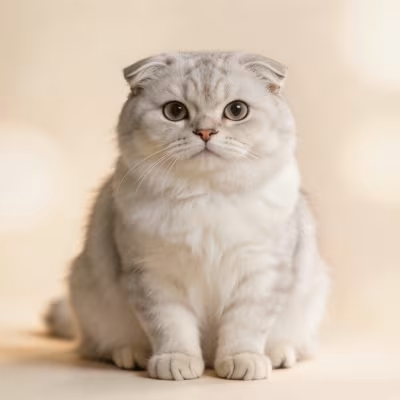
3. Scottish Fold
Temperament: Scottish Folds are sweet-natured, intelligent, and moderately playful. They adapt well to apartment life and form strong bonds with their owners while remaining comfortable during periods alone.
Noise Level: Low. Scottish Folds are generally quiet cats, though they may meow softly when greeting their owners.
Exercise Needs: Moderate. These cats enjoy interactive play but aren't overly demanding. They appreciate climbing and exploring but don't require constant activity.
Grooming Requirements: Grooming needs depend on coat length. Shorthaired Scottish Folds require weekly brushing, while longhaired varieties need 2-3 times weekly grooming.
Size Considerations: Small to medium, weighing 5-11 pounds. Their compact size makes them excellent for smaller apartments.
Pros:
- Distinctive, adorable appearance with folded ears
- Intelligent and trainable
- Good with children and other pets
- Relatively low-maintenance grooming (shorthaired)
- Affectionate without being demanding
Cons:
- Predisposed to ear and health issues
- Higher veterinary care needs
- May develop joint problems
- Limited breeding availability increases costs
4. Bombay
Temperament: Often called "mini-panthers," Bombays are affectionate, intelligent, and social cats. They crave human interaction and often follow their owners from room to room. They're rarely aggressive and generally excellent with families.
Noise Level: Moderate. Bombays are vocal cats that enjoy "conversations" with their owners, but they're rarely excessively loud or disruptive.
Exercise Needs: Moderate to high. These energetic cats need regular play and mental stimulation but adapt well to apartment life with adequate enrichment.
Grooming Requirements: Low. Their sleek, short black coats require only weekly brushing, making them relatively low-maintenance.
Size Considerations: Small to medium, weighing 6-11 pounds. Their compact, muscular build is ideal for apartment living.
Pros: Highly social and people-oriented, Beautiful, distinctive appearance, Intelligent and trainable, Low grooming requirements, and Excellent emotional support.
Cons:
- Require significant human interaction and attention
- Can develop separation anxiety if left alone too long
- Prone to respiratory issues due to short faces
- Require consistent enrichment and play
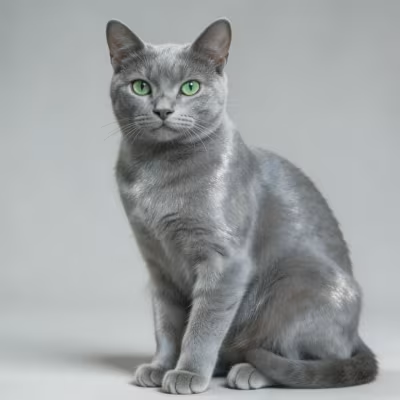
5. Russian Blue
Temperament: Russian Blues are gentle, shy, and reserved, especially around strangers. They form deep bonds with their owners and family members but are generally quiet and unobtrusive in the home environment.
Noise Level: Very low. Russian Blues are among the quietest cat breeds, rarely vocalizing except in soft chirps and meows to their close family.
Exercise Needs: Low to moderate. These cats are content with casual play and are happy spending time alone entertaining themselves with toys and exploration.
Grooming Requirements: Moderate. Their dense, double-layered coats benefit from regular brushing (2-3 times weekly) to maintain their plush appearance and reduce shedding.
Size Considerations: Small to medium, weighing 5-10 pounds. Their slender, elegant frame requires minimal floor space.
Pros:
- Exceptionally quiet and non-disruptive
- Highly independent and low-maintenance
- Beautiful emerald eyes and silver coat
- Excellent for apartment living
- Form strong, loyal bonds with owners
Cons:
- Can be shy and aloof with strangers
- Require patient socialization
- Regular grooming needed
- May hide frequently in new environments
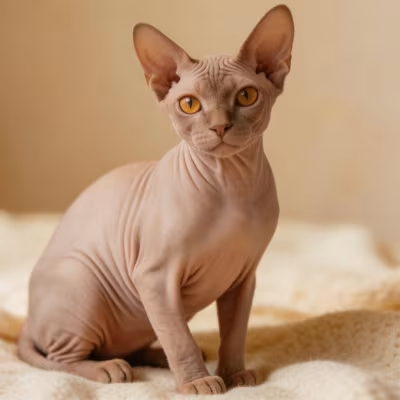
6. Devon Rex
Temperament: Devon Rex cats are playful, mischievous, and highly intelligent. They're affectionate and enjoy interactive play but have lower activity levels than many playful breeds.
Noise Level: Low to moderate. These cats can be vocal but generally not disruptively loud.
Exercise Needs: Moderate. Despite their playful nature, Devon Rex cats are satisfied with regular interactive play and don't require extensive space or constant activity.
Grooming Requirements: Low. Their unique, soft, wavy coats require only occasional brushing and are naturally low-shedding.
Size Considerations: Very small, weighing 5-9 pounds. Their tiny frames and large ears make them adorable apartment companions that require minimal space.
Pros:
- Exceptionally affectionate and people-oriented
- Playful but manageable energy levels
- Minimal grooming requirements
- Natural low-shedding coat
- Excellent with families and children
Cons:
- Can be mischievous and get into trouble
- Require mental stimulation and interaction
- Susceptible to skin and ear issues
- Sensitive to cold temperatures
7. Cornish Rex
Temperament: Cornish Rex cats are highly affectionate, intelligent, and playful. They're often described as having dog-like personalities and enjoy following their owners everywhere.
Noise Level: Low to moderate. These cats can be vocal but generally communicate in soft, pleasant tones.
Exercise Needs: High. Despite their apartment friendliness, Cornish Rex cats need regular, interactive play and mental stimulation.
Grooming Requirements: Low. Their distinctive, soft, wavy coats require minimal grooming and are naturally low-shedding.
Size Considerations: Very small, weighing 5-10 pounds. Their delicate, graceful frames require minimal space and are ideal for compact apartments.
Pros: Extremely affectionate and loyal, Playful and entertaining, Minimal grooming needs, Natural low-shedding coats, and Excellent problem-solvers.
Cons:
- Require significant interactive play
- Can be mischievous and destructive if bored
- Sensitive to cold and require warm environments
- May not do well being left alone for extended periods
8. Japanese Bobtail
Temperament: Japanese Bobtails are intelligent, active, and highly social cats. They're vocal and enjoy interacting with their owners but aren't aggressive or destructive.
Noise Level: High. These cats are specifically vocal, with distinctive chirping and trilling sounds. They may not be ideal for noise-sensitive apartments.
Exercise Needs: High. Japanese Bobtails are active and playful, requiring regular interactive play and environmental enrichment.
Grooming Requirements: Low to moderate. Their short coats require weekly brushing and are naturally low-shedding.
Size Considerations: Small, weighing 5-8 pounds. Their compact, athletic builds are suited to apartment living despite their high activity needs.
Pros:
- Highly intelligent and trainable
- Loyal and deeply bonded with owners
- Distinctive, beautiful appearance
- Active and entertaining
- Low grooming requirements
Cons:
- Very vocal, may disturb neighbors
- High activity needs
- Require significant interactive play
- Can be challenging to manage if bored
9. Burmese
Temperament: Burmese cats are affectionate, intelligent, and people-oriented. They form strong bonds with their owners and enjoy being involved in daily activities.
Noise Level: Moderate to high. Burmese cats are vocal and enjoy "conversations" with their owners. Their voices are softer than some breeds but can be consistent.
Exercise Needs: Moderate. These cats enjoy play and interaction but are content with regular play sessions and don't require excessive activity.
Grooming Requirements: Low. Their sleek, short coats require only weekly brushing and are naturally low-shedding.
Size Considerations: Small to medium, weighing 8-12 pounds. Their muscular, compact builds fit well in apartments.
Pros: Deeply affectionate and people-oriented, Intelligent and trainable, Excellent with families and children, Low grooming requirements, and Beautiful, glossy coats.
Cons:
- Require significant human interaction
- Can develop separation anxiety
- Vocal and may be disturbing in quiet apartments
- Prone to certain genetic health issues
10. Siamese
Temperament: Siamese cats are highly intelligent, social, and demand significant interaction with their owners. They form intense bonds and are rarely content being left alone.
Noise Level: Very high. Siamese are famously vocal, with loud, distinctive meows used to communicate extensively with their owners.
Exercise Needs: High. These active, intelligent cats need regular play and mental stimulation to prevent destructive behaviors.
Grooming Requirements: Low. Their short, fine coats require minimal grooming and are naturally low-shedding.
Size Considerations: Small to medium, weighing 6-12 pounds. Their slender, graceful frames are elegant but require adequate vertical space.
Pros:
- Exceptionally intelligent and trainable
- Deeply bonded and affectionate with owners
- Minimal grooming requirements
- Striking, beautiful appearance
- Entertaining and interactive
Cons:
- Extremely vocal and potentially disruptive
- Require constant interaction and attention
- Can develop behavioral issues if understimulated
- Prone to separation anxiety
11. American Shorthair
Temperament: American Shorthairs are adaptable, good-natured, and relatively independent. They balance affection with self-sufficiency, making them excellent for various living situations.
Noise Level: Low. These cats are generally quiet and only vocalize when necessary.
Exercise Needs: Moderate. American Shorthairs enjoy play but are equally content lounging and observing their environment.
Grooming Requirements: Low. Their short, dense coats require only weekly brushing and are naturally low-shedding.
Size Considerations: Medium, weighing 7-12 pounds. Their sturdy, muscular builds are well-suited to apartment living.
Pros: Highly adaptable and easygoing, Low maintenance grooming, Relatively independent, Excellent hunters (good for pest control), and Healthy and long-lived.
Cons:
- Less emotionally demanding than some breeds
- May not be as interactive as other options
- Can be somewhat aloof
12. Abyssinian
Temperament: Abyssinians are active, curious, and highly intelligent cats. Despite their high energy, they form strong bonds with their owners and enjoy being part of family activities.
Noise Level: Low to moderate. While generally not excessively vocal, Abyssinians do communicate with soft chirps and meows.
Exercise Needs: High. These athletic cats are constantly in motion and need abundant play, climbing opportunities, and mental stimulation.
Grooming Requirements: Low. Their short, fine coats require minimal grooming and are naturally low-shedding.
Size Considerations: Small to medium, weighing 8-12 pounds. Despite their size, they're incredibly athletic and require adequate vertical space.
Pros: Highly interactive and entertaining, Minimal grooming requirements, Loyal and affectionate, Natural athletes and climbers, and Excellent problem-solvers.
Cons:
- Require significant playtime and enrichment
- Can be destructive if bored
- Need adequate vertical space (cat trees)
- May not be suitable for very small apartments
Additional Considerations for Apartment Cat Living
Creating a Vertical Living Space
Regardless of which breed you choose, providing vertical space is crucial for apartment cats. Cat trees, wall shelves, and climbing structures allow cats to exercise, explore, and feel secure. Vertical space also helps smaller apartments feel larger for feline residents.
Noise Management
If you're concerned about disturbing neighbors, prioritize quieter breeds like British Shorthairs, Russian Blues, and American Shorthairs. Avoid highly vocal breeds like Siamese and Japanese Bobtails unless your apartment has exceptional soundproofing or you have understanding neighbors.
Enrichment and Entertainment
Apartment cats need adequate mental stimulation to prevent behavioral issues. Interactive toys, puzzle feeders, window perches for bird watching, and regular play sessions are essential for all breeds.
Litter Box Management
In apartments, litter box placement and odor control are particularly important for maintaining good neighbor relations. Consider multiple boxes, regular cleaning, and quality litter to minimize issues.
Conclusion
Finding the best cat breed for apartment living depends on your specific situation, lifestyle, and preferences. Whether you choose the calm British Shorthair, the affectionate Ragdoll, the quiet Russian Blue, or any of the other excellent apartment breeds, the key is matching the cat's temperament and needs with your living situation. Each of these 12+ breeds offers unique advantages for apartment dwellers, and with proper care, enrichment, and attention, any can thrive in your apartment home. Consider visiting local shelters and breeders to spend time with different breeds before making your final decision, ensuring the perfect match for your apartment living experience.

0 Comments
No comments yet. Be the first to share your thoughts!
Leave a Comment