Best Cat Breeds for Families With Children
Choosing a cat for a family with children requires thoughtful consideration. Not all cat breeds tolerate the noise, unpredictability, and physical interaction that children provide. The best family cats are: patient, gentle, social, and resilient enough to handle busy household dynamics.
What Makes a Family-Friendly Cat Breed?
Before examining specific breeds, understanding key characteristics helps you evaluate any potential cat. Ideal family cats possess several qualities:
Patience and Tolerance: Family cats must handle occasional rough play, tail grabbing, and unexpected physical contact. They should tolerate children without becoming aggressive or withdrawn.
Social and Affectionate: Cats who actively seek human interaction and enjoy being handled make better family pets than aloof or independent breeds.
Playfulness: Cats who engage in interactive play provide entertainment and bonding opportunities for children.
Adaptability: Family cats need to cope with noise, changes in routine, and the unpredictability that children bring to households.
Moderate Energy: Cats with moderate to high energy levels engage well with active children. Extremely sedentary cats may lack interest in play.
Top Family-Friendly Breeds
Maine Coon
Often called the gentle giant of the cat world, Maine Coons are large, affectionate cats known for their dog-like personalities. They actively seek human interaction, follow family members from room to room, and typically enjoy children's company. Maine Coons are patient, playful, and intelligent, making them excellent companions for active families.
These cats require regular grooming due to their long, thick coats, but the effort is worthwhile. Maine Coons are healthy, adaptable, and live well into their teens. They're moderately expensive to acquire but reward families with decades of companionship.
Ragdoll
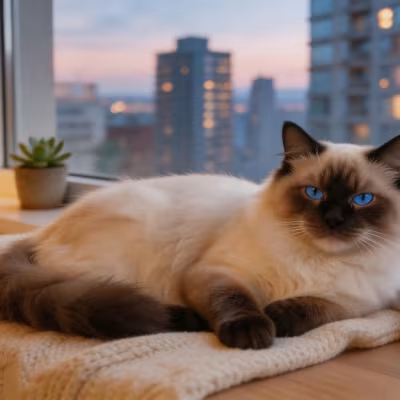
Ragdolls are renowned for their calm, gentle temperament and striking blue eyes. They're large, semi-long-haired cats who genuinely enjoy human interaction and often follow children from room to room. These cats are particularly patient and tolerant, handling children's play with equanimity.
Ragdolls are highly trainable and often learn to come when called or walk on usees. They're quieter than some breeds but vocal enough to communicate with family members. Their relaxed nature makes them suitable for busy families.
British Shorthair
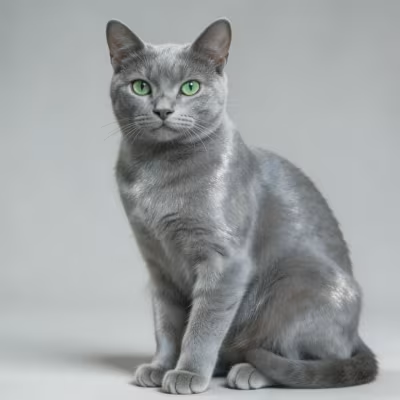
British Shorthairs are stocky, muscular cats with calm, easygoing temperaments. While less demonstrative than some breeds, they're genuinely affectionate with family members and tolerate children well. Their sturdy build makes them less prone to injury during play.
These cats have moderate energy levels and are satisfied with regular play sessions without demanding constant interaction. Their short, dense coats require minimal grooming, making them low-maintenance. British Shorthairs are healthy, long-lived cats who adapt well to family environments.
Birman
Birmans are beautiful, semi-long-haired cats known for their pointed coloring and gentle nature. They're affectionate with family members without being overly demanding. Birmans are intelligent, moderately playful, and generally patient with children.
These cats enjoy interactive play and benefit from family engagement. Their silky coats require regular grooming but are less mat-prone than longer-haired breeds. Birmans form strong bonds with families while maintaining some independence.
Norwegian Forest Cat
Norwegian Forest Cats are large, long-haired breeds with friendly, outgoing temperaments. They're highly intelligent, playful, and genuinely enjoy human interaction. These cats love climbing and exploring, providing excellent play partners for active children.
Their wild appearance belies their affectionate nature. Norwegian Forest Cats are gentle, patient, and adaptable to family life. They require regular grooming and mental stimulation but reward families with loyal, engaging companionship.
Sphynx
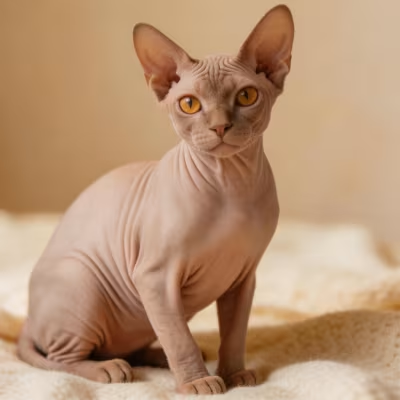
Sphynx cats, despite their unusual hairless appearance, are exceptionally affectionate and social. They're extremely people-oriented, seeking constant human interaction and attention. Sphynx cats are warm to the touch and love cuddling, making them wonderful for families who want an interactive, engaging cat.
These cats require specialized care including regular bathing, ear cleaning, and protection from cold and sun. They're more expensive than other breeds and demand more hands-on care. However, for families willing to invest in their needs, Sphynx cats provide unparalleled affection and engagement.
Burmese
Burmese cats are small to medium-sized, muscular cats known for their honey-colored eyes and silky coats. They're exceptionally affectionate, vocal, and people-oriented. Burmese cats follow family members around, participate in household activities, and actively seek attention.
These cats are intelligent, playful, and generally patient with children. Their short coats require minimal grooming. Burmese cats thrive on human interaction and may develop separation anxiety if left alone frequently, making them ideal for families with regular household activity.
Devon Rex
Devon Rex cats are small, slender cats with large ears and wavy coats. They're highly intelligent, extremely playful, and genuinely affectionate. Devon Rex cats are known as the pixie of the cat world because of their mischievous, engaging personalities.
These cats are excellent climbers and acrobats who provide endless entertainment. They're generally patient with children and enjoy interactive play. Devon Rex require regular grooming and mental stimulation, but their engaging personalities reward families with constant companionship and amusement.
Breeds to Avoid for Young Children
While some breeds are less ideal for families with young children, no breed is inherently unsuitable. However, breeds like Siamese, Abyssinian, and Bengal can be challenging. Siamese are highly vocal and demanding; Abyssinians require extensive activity and attention; Bengals have strong prey drives and need experienced owners.
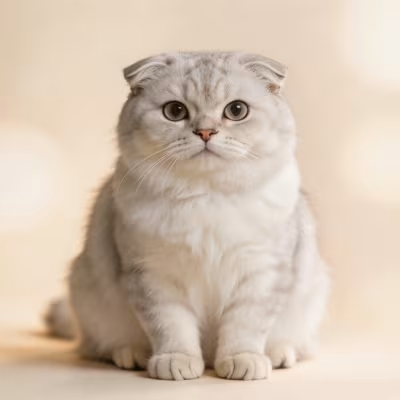
Persian cats require intense grooming and have lower tolerance for activity and noise. Scottish Folds have potential ear and spine issues. Sphynx, while affectionate, require specialized care. These breeds thrive better in quieter homes or with older children.
Tips for Success With Family Cats
Regardless of breed, certain practices improve family cat experiences. Teach children to respect cats' boundaries, avoid grabbing tails and ears, and recognize signals indicating the cat needs space. Establish quiet time when the cat can retreat to a safe zone.
Provide vertical spaces and hiding areas where cats can observe family activity while maintaining control over interaction. Regular play sessions with appropriate toys channel both cat and child energy productively.
Schedule regular veterinary checkups, maintain appropriate vaccinations and parasite prevention, and ensure proper nutrition. A healthy, well-cared-for cat tolerates family life better and lives longer.
Conclusion
Finding the perfect family cat involves matching breed characteristics with your household dynamics. Maine Coons, Ragdolls, British Shorthairs, and other patient, affectionate breeds make excellent family companions. With proper selection, training, and c are:
- your family cat will become a beloved member of your household
- providing years of joy
- companionship
- memories for children and parents alike

0 Comments
No comments yet. Be the first to share your thoughts!
Leave a Comment