Hello, fellow pet parents! Dr. Edward Hale here, your trusted veterinarian with 15 years of experience in pet care and animal behavior. Today, we're diving into a common household conundrum that many of you have likely experienced: your beloved dog turning your living room into a race track. While a burst of playful energy can be endearing, when your dog is consistently tearing through the house, potentially knocking over lamps, scattering rugs, or even causing a safety hazard, it can quickly become frustrating. My goal today is to provide you with practical, vet-approved strategies to help your canine companion learn to be a calmer, more composed presence indoors, ensuring both their safety and your peace of mind.
Understanding Why Your Dog Runs Through the House
Before we can address the behavior, it's crucial to understand why your dog might be doing it. It's rarely out of malice; instead, it's usually rooted in a combination of natural instincts, energy levels, and learned behaviors. Here are the most common reasons:
1. The "Zoomies" (FRAPs - Frenetic Random Activity Periods)
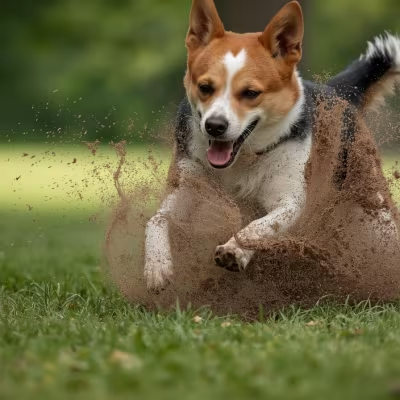
Ah, the zoomies! We've all seen them. Your dog suddenly bolts, dashes in circles, tucks their tail, and has a wild, joyful look in their eyes. These bursts of energy are a perfectly normal and healthy way for dogs to release pent-up energy. They often occur after a bath, a long nap, or intense playtime. While normal, when they happen constantly indoors and become disruptive, it's time to manage them.
2. Excessive Pent-Up Energy
This is perhaps the most common culprit. Many dogs, especially high-energy breeds or those that aren't getting enough daily exercise, simply have too much energy to contain within the confines of a home. If a dog isn't getting adequate physical and mental stimulation outdoors, they will find ways to burn that energy indoors, often through running, jumping, and general boisterousness.
3. Lack of Mental Stimulation
Beyond physical exercise, dogs need mental challenges. A bored dog can be a destructive or overactive dog. If they're not given puzzle toys, training opportunities, or engaging activities, they might resort to running through the house as a way to "make their own fun."
4. Attention-Seeking Behavior
Dogs are incredibly smart and learn quickly what gets our attention. If your dog running through the house results in you chasing them, yelling their name, or even just looking at them, they might interpret that as a reward for their behavior. Any attention, positive or negative, can reinforce the habit.
5. Anxiety or Stress
Sometimes, what looks like playful running can be a manifestation of anxiety or stress. If your dog seems agitated, paces, or combines running with other anxious behaviors (like excessive panting, drooling, or destructive chewing), it's important to consider their emotional state. Changes in routine, new environments, or loud noises can trigger such responses.
6. Excitement and Over-Stimulation
Certain triggers can cause a surge of excitement, leading to an indoor sprint. This might be your arrival home, the doorbell ringing, guests arriving, or even the rustle of their food bag. Learning to manage these triggers is key to how to stop dog zoomies indoors.
7. Medical Conditions
While less common, some medical conditions can manifest as restless or hyperactive behavior. Pain, neurological issues, thyroid imbalances, or even certain medications can cause a dog to act unusually energetic or unable to settle. This is why a vet check-up is always recommended if there's a sudden, unexplained change in behavior.
A Step-by-Step Guide to Teaching Indoor Calmness
Now that we understand the "why," let's dive into the "how." These steps combine positive reinforcement, environmental management, and consistent training to help your dog learn to relax inside.
Step 1: Fulfill Their Energy Needs – Both Physical and Mental
This is foundational. A tired dog is a good dog, but a mentally stimulated dog is an even better one.
- Increase Physical Exercise: Ensure your dog gets enough breed-appropriate exercise daily. For high-energy breeds, this might mean multiple walks, runs, or vigorous games of fetch. For others, a good sniff-walk and some light play might suffice. Aim for quality over quantity – a structured walk where they're focused is often more tiring than just letting them run wild in the yard.
- Boost Mental Stimulation: This is often overlooked. Engage your dog's brain with:
- Puzzle Toys: KONGs stuffed with peanut butter, treat-dispensing toys, or snuffle mats can keep them occupied and mentally challenged.
- Training Sessions: Even 5-10 minutes of "sit," "stay," "down," or learning new tricks can be incredibly tiring for a dog.
- Scent Games: Hide treats around the house and let them use their nose to find them. This is a natural instinct and very rewarding.
- Chew Toys: A durable chew toy can provide hours of calm, engaging activity.
Step 2: Establish a Predictable Routine
Dogs thrive on routine. A predictable schedule for meals, potty breaks, exercise, and quiet time helps manage their energy and expectations. When they know what to expect, they are less likely to get overly excited or anxious. Consistent timing can make a huge difference in managing a dog's excessive energy indoors.
Step 3: Teach Impulse Control and Calm Behaviors
This involves actively training your dog what you do want them to do inside.
- "Settle" or "Place" Command: Teach your dog to go to a specific mat, bed, or crate and relax. Start by luring them to the spot, rewarding them for staying there, and gradually increasing the duration. Make this their designated calm zone.
- Doorway Manners: Prevent the frantic dash when entering or exiting. Teach your dog to "wait" at the door until you give a release cue. This establishes you as the leader and prevents over-excitement.
- Reward Calmness: Don't just punish undesirable behavior. Actively reward your dog when they are lying down quietly, chewing a toy calmly, or just resting. Softly praise them or offer a small treat for these moments of serenity.
- Polite Greetings: If your dog runs around when you come home or guests arrive, practice calm greetings. Ignore them until they settle down, then offer a quiet greeting. For guests, keep your dog on a leash initially or in their "place" until they are calm enough to greet politely. This is essential for training a hyper dog to calm down inside.
Step 4: Create a Designated "Calm Zone"
Every dog should have a safe, comfortable space where they can retreat and relax. This could be a crate (positively introduced and never used for punishment), a dog bed in a quiet corner, or a mat. Encourage them to use this space for naps and relaxation, making it a positive place with soft bedding and maybe a favorite chew toy. This helps with tips for calming an overexcited dog in the house.
Step 5: Environmental Management and Prevention
Sometimes, the easiest way to manage the behavior is to manage the environment.
- Use Gates: Baby gates can be invaluable for limiting access to certain rooms or corridors where zoomies are most likely to occur. This is particularly helpful for stopping puppies from racing through the living room before they learn proper house manners.
- Clear Pathways: Remove potential hazards like breakable objects, loose rugs, or anything your dog could trip over if they do decide to run. Safety first!
- Leash Control: If your dog struggles with indoor self-control, consider keeping them on a long, light leash (drag line) while supervised. This allows you to gently guide them away from undesirable behavior without having to chase them, which can inadvertently reinforce the running.
Step 6: Identify and Address Triggers
Pay close attention to when your dog runs through the house. Is it when you grab your keys? After a bath? When the kids get home from school? Once you identify the triggers, you can start to address them.
- Desensitize: If your dog gets overly excited when you grab your keys, practice picking up your keys and putting them down repeatedly without leaving. This helps them associate the action with less excitement.
- Counter-Condition: If a trigger causes excitement, pair that trigger with something calm and positive. For example, when guests arrive (a common trigger for preventing destructive dog running behavior), have your dog on a leash and immediately give them a high-value chew toy or stuffed KONG in their "place" before they can start running.
Common Mistakes to Avoid
As a veterinarian, I've seen many well-intentioned pet parents make these common errors:
- Punishing Zoomies: Yelling at or chasing your dog during a normal zoomie session can confuse them, make them fearful, or even turn it into a game. It rarely stops the behavior and can damage your bond.
- Inconsistency: If some family members allow the running while others try to stop it, your dog will be confused and training will be ineffective. Everyone in the household must be on the same page.
- Not Enough Stimulation: Believing that just letting your dog out in the yard is enough. Many dogs need structured exercise and mental engagement beyond backyard freedom.
- Rewarding Excitement: Accidentally reinforcing excited behavior with attention, treats, or play, even if you're trying to calm them down.
- Giving Up Too Soon: Training takes time, patience, and consistency. Don't expect instant results.
Pro Tips from Dr. Edward Hale
Over my years in practice, I've gathered a few insights that can make a big difference:
- Observation is Your Best Tool: Really watch your dog. When does the running happen? What happens immediately before? What does your dog do right after? Understanding these patterns is key to effective intervention.
- Early Intervention is Easier: It's always easier to guide a puppy's energy into appropriate channels than to correct deeply ingrained habits in an adult dog. Start training for indoor calm early!
- Positive Reinforcement is Paramount: Always reward the behaviors you want to see. Dogs learn best when they are motivated by positive outcomes. Keep training sessions short, fun, and rewarding.
- Don't Be Afraid of Professional Help: If you're struggling, a certified professional dog trainer or a veterinary behaviorist can provide tailored guidance and hands-on support. Sometimes, an outside perspective and specialized expertise are exactly what you need.
- Consider Enrichment Toys During Peak Times: If you know your dog typically gets zoomies when you first get home, have a pre-stuffed KONG or a favorite puzzle toy ready to distract and engage them calmly as you walk through the door.
When to See a Vet
While most cases of indoor running are behavioral and easily managed with training and environmental changes, there are times when it's crucial to consult your veterinarian. Please schedule an appointment if you notice:
- Sudden Change in Behavior: If your dog, especially an older dog previously calm indoors, suddenly starts displaying frenetic running, restlessness, or an inability to settle. This could indicate pain, discomfort, or a medical condition.
- Lameness or Limping: If the running seems forced, painful, or your dog starts limping during or after activity, it could be an orthopedic issue or injury.
- Loss of Coordination or Balance: Any wobbling, stumbling, or unusual gait during these running episodes warrants immediate veterinary attention, as it could signal a neurological problem.
- Excessive Panting or Lethargy After Activity: While some panting is normal after exertion, excessive panting, weakness, or collapse after short bursts of energy could indicate underlying heart or respiratory issues.
- Incontinence: If your dog urinates or defecates during these running episodes, it could be a sign of extreme excitement, anxiety, or a medical issue affecting bladder/bowel control.
- Anxiety or Compulsive Behaviors: If the running is accompanied by pacing, excessive licking, tail chasing, spinning, or other repetitive behaviors, it might be a sign of underlying anxiety, stress, or a compulsive disorder that requires veterinary and potentially behavioral specialist intervention. This is especially true if you're working on teaching an adult dog to walk calmly inside and seeing no progress or worsening behavior.
- Any Other Signs of Illness or Injury: Trust your gut. If something just seems "off" about your dog's behavior or physical state, it's always best to get them checked out.
FAQ Section
Q1: Are "zoomies" normal, and should I try to stop them completely?
A: Yes, zoomies (FRAPs) are a normal and healthy way for dogs to release energy. You shouldn't try to stop them entirely, especially if they occur outdoors. The goal indoors is to manage them so they don't become destructive or dangerous. Providing appropriate outlets for energy and teaching self-control are key, so your dog can have their zoomies in safe, designated areas (like a fenced yard) rather than through your living room.
Q2: How long will it take to train my dog to stop running through the house?
A: The timeline varies greatly depending on your dog's age, breed, temperament, the consistency of your training, and the underlying reasons for the behavior. For some dogs, you might see improvement in a few weeks; for others, it could take several months of dedicated work. Patience and consistency are your greatest allies. Don't get discouraged if progress isn't linear.
Q3: My dog seems too hyper to learn anything. What should I do?
A: This is a common feeling! Often, "hyper" dogs are simply dogs with unmet physical or mental needs. Go back to basics: significantly increase their appropriate exercise and mental stimulation (puzzle toys, sniff games, short training bursts). Start training in a very quiet, low-distraction environment. If they're still too aroused, try a very short, calm leash walk to take the edge off before attempting training. If severe hyperactivity persists, consult your vet to rule out medical issues and consider a professional trainer or veterinary behaviorist.
Q4: My dog only runs through the house when I'm not home. How can I stop this?
A: This often points to separation anxiety or boredom. Set up a camera to observe the behavior when you're gone. If it's boredom, ensure they have plenty of engaging chew toys and puzzle feeders before you leave, and that they're adequately exercised beforehand. If it's separation anxiety (accompanied by barking, destructive chewing, inappropriate urination/defecation), it requires a specific training protocol, potentially involving desensitization and counter-conditioning, and you should definitely consult with a veterinary behaviorist.
Conclusion
Helping your dog learn to be a calm and well-mannered companion indoors is a journey that requires understanding, patience, and consistency. By fulfilling their energy needs, establishing clear routines, teaching impulse control, and managing their environment, you can transform your home from a race track into a haven of peace. Remember, your dog isn't trying to be naughty; they're simply communicating their needs or expressing their natural instincts. With positive reinforcement and a clear plan, you can guide them toward more desirable behaviors. And as always, if you have any concerns about your dog's behavior or health, please don't hesitate to reach out to your veterinarian. We're here to help you and your furry family member live your best lives together!




0 Comments
No comments yet. Be the first to share your thoughts!
Leave a Comment