Understanding the Art of Canine Introductions: How to Introduce Two Strange Dogs the Right Way
Hello fellow pet parents! Dr. Edward Hale here, and today we're tackling a topic that many of you ask about:
how to introduce two strange dogs safely.
Whether you're bringing a new rescue home, fostering, or simply trying to expand your dog's social circle, the initial meeting between two unfamiliar canines sets the stage for their entire relationship. Rushing this critical step can lead to stress, fear, and even aggression, potentially creating long-term behavioral issues. But with patience, understanding, and the right approach, you can foster a positive, lasting bond.From my 15 years in veterinary practice, I've seen countless successful introductions – and a few that went awry because of common preventable mistakes. My goal today is to equip you with the knowledge and practical tips to ensure a smooth, low-stress, and positive first encounter for both dogs. We'll delve into canine body language, step-by-step strategies, and essential safety measures to help you navigate this exciting, yet delicate, process. Let's make this introduction a tail-wagging success!
Why a Slow and Intentional Introduction is Crucial for Dogs
Imagine being thrust into a new social situation with a complete stranger, forced to interact without any prior context or choice. That's often how dogs feel when owners rush an introduction. Canines are social animals, but their social etiquette is complex and often misunderstood by humans. A slow, controlled introduction isn't just about preventing immediate conflict; it's about:
- Reducing Stress and Anxiety: Dogs thrive on predictability and safety. A gradual introduction allows them to assess the new dog at their own pace, reducing fear and defensive behaviors.
- Building Positive Associations: A good first impression can lay the groundwork for a friendly relationship. By ensuring initial encounters are calm and rewarding, you help both dogs associate the other with positive experiences.
- Preventing Future Conflict: A poorly managed introduction can lead to fear-based aggression, resource guarding, or territorial disputes down the line. Investing time upfront can prevent costly and emotionally draining behavioral problems later.
- Respecting Canine Communication: Dogs communicate primarily through body language and scent. A slow introduction provides ample opportunity for them to "read" each other without the pressure of direct confrontation.
Understanding Canine Communication: Reading the Signs
Before you even think about putting two dogs together, you must become a fluent reader of canine body language. This is paramount for preventing issues and ensuring a safe interaction. Here are some key indicators:
- Positive/Relaxed Signs:
- Loose Body: A relaxed posture, not stiff or tense.
- Soft Eyes: Not staring or wide with whites showing.
- Wagging Tail: A loose, mid-level wag, not high and stiff or tucked.
- Play Bows: Front end down, rear end up, inviting play.
- Mouth Slightly Open: Panting gently, not tightly closed or snarling.
- Curiosity: Sniffing, approaching in an arc, not head-on.
- Neutral/Uncertain Signs:
- Lip Licking: Can be a calming signal, indicating mild stress or submission.
- Yawning: Also a calming signal, often when feeling uneasy.
- Turning Head Away: Avoiding direct eye contact, a polite way to de-escalate.
- Averting Gaze: Similar to turning the head, a deference signal.
- Slow Movement: Careful, deliberate motions rather than rushing.
- Negative/Warning Signs:
- Stiff Body: Tense muscles, rigid posture.
- Hard Stare: Direct, unblinking eye contact.
- Raised Hackles: Hair standing up along the spine, indicating arousal or fear.
- Tucked Tail: Sign of fear or extreme submission.
- Growling/Snarling: Clear warnings; listen to them!
- Showing Teeth: Often accompanied by a growl or snarl.
- Lunge/Snap: An immediate physical threat or attack.
- Whale Eye: When the whites of the eyes are visible around the iris, often indicating stress or fear.
Always intervene at the first sign of discomfort or tension. Early intervention is key to preventing escalation.
Factors Influencing a Successful Introduction
Several elements can impact how well two dogs might get along. Considering these can help you manage expectations and prepare accordingly:
- Temperament and Personality: A calm, confident dog is often a better match for a shy or anxious one than two highly excitable or dominant dogs.
- Age: Puppies and seniors often have different energy levels and play styles than adult dogs.
- Breed: While stereotypes are never absolute, some breeds have stronger prey drives or more intense play styles that might not mesh with others.
- Past Experiences: Dogs with negative past experiences with other dogs may be more wary or fearful.
- Energy Levels: Ideally, dogs with similar energy levels will find common ground more easily.
Step-by-Step Guide: How to Introduce Two Strange Dogs the Right Way
This is my recommended approach for a smooth and stress-free introduction. Remember, patience is your greatest tool!
Phase 1: Preparation – Setting the Stage for Success
- Health Check: Ensure both dogs are healthy, up-to-date on vaccinations, and parasite-free. A sick or uncomfortable dog will be less tolerant.
- Basic Training Refresher: Both dogs should ideally know basic commands like "sit," "stay," "come," and "leave it." This allows you to manage their behavior effectively.
- Neutral Territory is Key: Never introduce dogs directly in one dog's home or yard. Choose a truly neutral space like a quiet park, an empty parking lot, or a friend's yard. This reduces territorial instincts.
- Appropriate Equipment: Both dogs should be on secure, non-retractable leashes with comfortable harnesses or flat collars. Avoid head halters or choke/prong collars during initial introductions, as they can cause discomfort and associate it with the other dog.
- Timing is Everything: Introduce dogs when they are well-fed, exercised (but not exhausted), and calm. Avoid introductions when you or the dogs are stressed or rushed.
- Separate Living Spaces (if bringing a new dog home): Before the introduction, set up separate spaces for each dog in your home, complete with food bowls, beds, and toys. This will be crucial for the initial integration.
Phase 2: Scent Swapping – Introduction from a Distance
Before any visual contact, let the dogs get to know each other through their most powerful sense: smell.
- Swap Bedding/Toys: Exchange blankets, towels, or favorite non-valuable toys between the dogs' separate living areas for a few days. Allow them to investigate the new scents at their leisure. Observe their reactions – curiosity, indifference, or mild interest are good signs.
- Feed Separate But Close: If you're bringing a new dog home, feed them in separate rooms but perhaps near the closed door, allowing them to smell each other while eating. Positive associations with the other dog's scent and a rewarding activity (food) are vital.
Phase 3: Parallel Walking – First Visual Contact in Neutral Territory
This is often the
best way to introduce a new dog to resident dog
for the first time.- Two Handlers, Two Dogs: Each dog should have its own handler. Keep leashes loose to avoid tension transmitting to the dogs.
- Maintain Distance: Start with a significant distance between the dogs (e.g., 20-30 feet), enough so they can see each other but feel no pressure to interact. Walk them in the same direction, parallel to each other.
- Observe Body Language: Look for relaxed body posture, loose tails, and sniffing the ground. If either dog is stiff, pulling, growling, or showing any signs of stress, increase the distance.
- Gradually Decrease Distance: Over time, if both dogs remain calm, you can slowly reduce the distance between them. The goal is for them to become accustomed to each other's presence without direct interaction.
- Short Sniffs: After several successful parallel walks, if both dogs are completely relaxed, you can allow a very brief, controlled "sniff and walk away" opportunity. Keep it moving, don't let them linger and stare. Praise and reward calm behavior.
Phase 4: Controlled Visual Meetings – Supervised Direct Interaction
Once parallel walks are consistently calm and positive, you can move to more direct, but still controlled, interactions.
- Meet in Neutral, Secure Area: A fenced yard or large empty room works well. Keep both dogs on leash initially, with two handlers.
- Keep it Brief: Initial direct interactions should be very short – literally a few seconds. Allow them to sniff, then calmly redirect and separate them. End on a positive note before any tension can build.
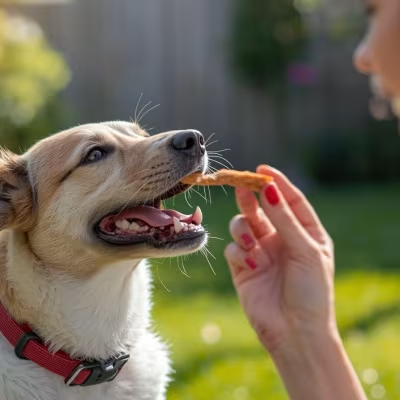
- Positive Reinforcement: Lavishly praise and reward both dogs for calm, appropriate behavior. Treats, gentle praise, and happy voices create positive associations.
- Avoid Direct Head-On Approaches: Encourage curved approaches, which are less confrontational in canine etiquette.
- Consider Muzzles (Optional): If you have any concerns about one or both dogs' reactions, comfortable basket muzzles can provide an extra layer of safety, allowing them to interact without the risk of injury. Muzzles should be introduced positively before the meeting.
Phase 5: Supervised Off-Leash Interaction (if appropriate)
Only proceed to this phase if previous steps have been consistently calm and positive, and you are confident in both dogs' temperaments.
- Safe, Enclosed Space: A large, secure, neutral yard with no escape routes is ideal. Remove all valuable toys, food, or resources to prevent guarding.
- Start Short: Begin with very short off-leash sessions (5-10 minutes) and gradually increase duration. Always have multiple responsible adults present to supervise.
- Observe Closely: Look for loose, play-bowing, polite sniffing, and taking turns. Interrupt any stiffening, hard stares, growling, or attempts to mount.
- Interrupt and Redirect: If play becomes too intense or one dog seems overwhelmed, calmly interrupt the interaction and separate them for a break. A quick recall, a "sit," or simply walking them apart can de-escalate.
Phase 6: Integrating into the Home – Shared Living
This phase is for when you're bringing a new dog to live with a resident dog.
- Continued Separation: For the first few days or even weeks, continue to separate the dogs when unsupervised. Use crates, gates, or separate rooms. This prevents accidental conflicts and allows both dogs to decompress.
- Shared Experiences: Engage them in parallel activities – walks together (on leash), training sessions (initially separate, then in the same room with distance), and calm companionship while you supervise.
- Individual Attention: Make sure both dogs receive plenty of individual attention, play, and affection. This reassures them they haven't been replaced.
- Resource Management: Always feed dogs separately. Provide separate, non-valuable toys and sleeping areas. If one dog shows any signs of resource guarding, seek professional help immediately.
- Gradual Integration: Slowly increase the amount of time they spend together unsupervised, only once you are absolutely confident in their peaceful coexistence.
Common Mistakes to Avoid When Introducing Dogs
Knowing what not to do is just as important as knowing what to do!
- Rushing the Introduction: This is the number one mistake. Patience is non-negotiable.
- Forcing Interaction: Never push dogs together, make them "say hello," or hold them nose-to-nose. This is unnatural and creates stress.
- Ignoring Body Language: Missing or misinterpreting warning signs can lead to fights. Pay attention to every subtle cue.
- Introducing in a High-Value Territory: Bringing a new dog directly into the resident dog's home or yard screams "intrusion!" and heightens territoriality.
- Inadequate Supervision: Never leave newly introduced dogs unsupervised, even for a moment, until you are absolutely certain of their peaceful bond.
- Using Retractable Leashes: These offer poor control and can snap, allowing dogs to lunge or escape.
- Introducing on Leashes in a Small Space: Leashes can restrict natural movement and lead to frustration or "leash aggression" when dogs feel trapped.
- Introducing when Dogs are Over-Excited or Stressed: This primes them for negative interactions.
- Not Removing Resources: Food bowls, favorite toys, or even your lap can become flashpoints for conflict. Remove all potential resources from the introduction area.
Dr. Hale's Pro Tips from Clinical Experience
Here are a few nuggets of wisdom gathered over years of helping families successfully integrate new furry members:
- The "Sniff and Stroll" Method: My go-to strategy for
introducing two adult dogs for the first time
. Start with parallel walking, keeping ample distance. Gradually, as they remain calm, allow for very brief, moving sniffs of each other's rear ends, then immediately keep walking. This prevents static, confrontational greetings. Think of it as passing acquaintances on the street. - The Power of the Pause: Don't feel pressured to keep the interaction going. If you see even a hint of tension – a stiff tail, a direct stare, a head turn – simply increase distance, change direction, or take a short break. Ending an interaction on a neutral note is always better than letting it escalate.
- Separate is Safe (and Sane!): When you bring a new dog home, having a designated "safe space" for each dog, separated by a baby gate or closed door, is invaluable. This allows both dogs to decompress, eat, and rest without feeling constantly on guard. It greatly reduces stress for everyone. I've often seen
successful dog-to-dog meeting tips
hinge on this simple management technique. - Manage the Human Emotions: Dogs are highly attuned to our emotions. If you are anxious, tense, or stressed, your dogs will pick up on it. Try to remain calm, confident, and positive. Your relaxed demeanor can help your dogs feel more secure.
- Supervision isn't Just Watching: Active supervision means you're not just observing; you're ready to intervene calmly and effectively at a moment's notice. Have treats ready, be aware of escape routes, and anticipate potential issues. This is key for
preventing dog fights during introductions
.
When to See a Vet or Professional Behaviorist
While this guide provides a solid framework for introductions, some situations warrant professional intervention. Don't hesitate to reach out if you observe any of the following:
- Persistent Aggression: Any growling, snarling, snapping, or fighting that doesn't resolve or escalates despite following the steps.
- Extreme Fear or Anxiety: One dog is constantly hiding, trembling, refusing to eat, or showing signs of severe stress around the other.
- Unexplained Injuries: If one dog repeatedly has scratches, nips, or wounds, even if you didn't witness a fight.
- Resource Guarding: If one dog aggressively guards food, toys, sleeping spots, or even your attention from the other.
- Lack of Progress: If, after several weeks of dedicated effort, the dogs show no signs of improvement or seem to be regressing.
- Your Intuition: If something just doesn't feel right, trust your gut. A certified professional dog trainer or veterinary behaviorist can provide tailored guidance and help address underlying issues. They can offer specific
what to do when introducing two dogs
advice for your unique situation.
Frequently Asked Questions (FAQ)
Q1: How long does it typically take to introduce two dogs properly?
A: There's no single answer, as it highly depends on the individual dogs' temperaments, past experiences, and your consistency. Some introductions can go smoothly in a few days, while others may take weeks or even months of careful management. Always err on the side of caution and let the dogs set the pace.
Q2: Can I introduce a puppy to an adult dog?
A: Yes, but careful supervision is crucial. Adult dogs can be easily overwhelmed by a puppy's boundless energy and sharp puppy teeth. Ensure the adult dog has plenty of escape routes and quiet time away from the puppy. Teach the puppy appropriate play manners and always protect the adult dog from excessive puppy nipping or harassment.
Q2: What if one dog is much larger than the other?
A: Size disparity requires extra caution. The larger dog could unintentionally injure the smaller one, even during playful interaction. Supervise very closely, especially during off-leash play. Ensure the larger dog has excellent impulse control and is not overly boisterous. Consider separating them if play becomes too rough or one dog seems overwhelmed.
Q4: What if one dog is very shy or fearful?
A: For fearful dogs, prioritize creating a sense of safety and control. Allow the shy dog to approach on their own terms, never force interaction. Provide plenty of safe hiding spots and reward any brave attempts to engage or even just be in the same room. A confident, calm, and well-socialized dog can sometimes help a fearful dog come out of their shell, but it requires extreme patience and careful management to avoid overwhelming them.
Conclusion
Introducing two strange dogs is a journey, not a single event. It requires patience, keen observation, and a commitment to understanding canine behavior. By following these steps and prioritizing safety, you can significantly increase the chances of a positive, peaceful, and lasting relationship between your furry companions.
Remember, my goal as a veterinarian is always to ensure the health and well-being of your beloved pets. If you ever feel overwhelmed or encounter persistent challenges, please don't hesitate to consult with your local veterinarian or a certified professional dog trainer. They are invaluable resources in helping you and your dogs thrive together. Happy introductions!



0 Comments
No comments yet. Be the first to share your thoughts!
Leave a Comment