Hello, pet parents! Dr. Edward Hale here, your trusted veterinarian with over 15 years of experience in helping our furry friends thrive. Today, I want to tackle a behavior that often perplexes and, let’s be honest, sometimes frustrates many dog owners: that vigorous, almost frantic, scratching or pawing motion your dog makes on the floor, the ground, or even the carpet right after they’ve finished their business. You've probably seen it, perhaps even wondered, "Why do dogs scratch the floor after peeing or pooping?" Is it an attempt to clean up? A strange display of defiance? Or something else entirely?
Rest assured, this common canine quirk is rarely a cause for alarm. In fact, it’s a fascinating window into your dog's ancestral instincts and communication methods. While it might seem odd to us, this behavior is perfectly normal for most dogs, stemming from deeply ingrained biological imperatives. In this comprehensive guide, we'll dive deep into the various reasons behind this post-potty ritual, offer practical advice for managing it, and discuss when it might be worth a chat with your vet. My aim is to help you better understand your beloved companion and strengthen your bond by demystifying their unique behaviors.
The Deep Roots: Why Dogs Scratch After Eliminating
When your dog finishes relieving themselves and then starts kicking their paws backward, scratching at the ground, they’re not just aimlessly digging. This action is packed with meaning, reflecting a complex interplay of instinct, communication, and even learned behavior. Let's explore the primary reasons behind this peculiar post-potty ritual.
1. Scent Marking: An Ancient Canine Instinct
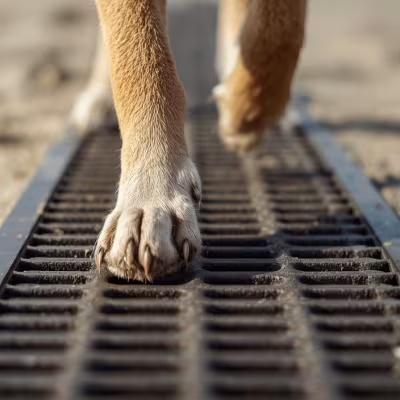
One of the most significant reasons your dog scratches the ground after eliminating is to enhance their scent mark. Dogs have specialized scent glands located between the pads of their paws, known as interdigital glands. When they scratch, they’re essentially activating and spreading the unique scent from these glands onto the ground, mixing it with the scent of their urine or feces. Think of it as a canine calling card, a potent message left for any other dog that passes by.
This isn't just about the visual disturbance of the ground; it's a rich olfactory message. The scent from their paws is personal, identifying them specifically. Combined with the primary scent of their waste, it creates a powerful, multi-layered territorial claim or informational beacon. This explains why some dogs are quite particular about where and how intensely they perform this action – they're strategically leaving their mark. It's often the top reason why do dogs scratch the floor after peeing or defecating.
2. Communication with Other Canines
Building on the scent-marking aspect, this scratching behavior serves as a vital form of communication within the canine world. In a wild or semi-wild environment, dogs rely heavily on scent to understand who's been where, when, and even what their social status might be. A dog’s unique scent signature tells other dogs: "I was here," "This is my territory," or even "I'm a healthy, strong individual."
The visual disturbance of the scratched earth also adds to the message. It's an advertisement, a visual cue that reinforces the olfactory one. Imagine a bright red flag saying, "Look here, a message has been left!" For our domesticated dogs, while they may not be guarding vast territories, this instinct remains. They're still communicating with the unseen canine community, even if it's just the neighborhood dogs walking by later. This is often part of is my dog marking territory after bathroom behavior.
3. Instinctual Burying or Covering
Another strong evolutionary driver for this behavior harks back to their wild ancestors. In the wild, canids might bury or attempt to cover their waste to hide their presence from both prey they might be hunting and predators that might be hunting them. By obscuring the scent and visual evidence of their presence, they reduce the chances of being detected.
While our domestic dogs aren't typically hunting for survival or hiding from lions, the instinct persists. They go through the motions, even if they don't actually manage to cover their waste completely. It's a vestigial behavior, much like humans getting goosebumps when cold – a remnant of a past survival mechanism that no longer serves its original purpose but is still wired into our biology.
4. Reinforcement and Attention-Seeking
Sometimes, what starts as an instinctual behavior can be inadvertently reinforced by us, their human companions. If your dog scratches and you immediately react – whether by scolding, laughing, or even just looking at them – they might associate the scratching with getting your attention. For some dogs, any attention is good attention, and they learn that this particular action elicits a response from you.
This doesn't mean your dog is being manipulative; it's simply how dogs learn through association. If you find your dog engaging in this behavior more frequently indoors, especially on your new rug, it's worth considering if they've learned that it brings them your focus. This can be a key factor if you're observing dog digging after pooping inside.
5. Surface Preferences and Frustration
Just like people have preferences, dogs can develop them too. Some dogs might simply enjoy the tactile sensation of scratching a particular surface. The feel of grass, dirt, or even a plush carpet under their paws might be satisfying.
Alternatively, the scratching could be a manifestation of frustration. If your dog is trying to effectively "cover" their waste or spread their scent, but the surface (like a hard floor) doesn't allow for it, they might continue scratching with more intensity, expressing a mild form of frustration at their inability to complete the task as their instincts dictate.
6. Anxiety or Stress
While less common as a primary cause, in some cases, excessive or frantic scratching could be a displacement behavior related to anxiety or stress. If your dog is feeling insecure, anxious about their environment, or experiencing other forms of stress, they might engage in repetitive behaviors, including excessive pawing or scratching, as a way to cope. If you notice this behavior coupled with other signs of stress, such as excessive licking, pacing, panting, or changes in appetite, it's worth observing closely.
Understanding the Behavior & What to Observe
To effectively manage or simply understand your dog’s post-potty scratching, observation is key. As a vet, I always encourage pet owners to become keen detectives when it comes to their dog's behavior. Here’s what you should pay attention to:
- When does it happen? Does your dog scratch after every elimination, or only sometimes? Does it happen after peeing, pooping, or both?
- Where does it happen? Is it only outdoors in specific spots, or do they attempt to scratch indoors on carpets, rugs, or hard floors?
- How intensely do they scratch? Is it a few casual kicks, or a prolonged, vigorous digging session?
- Are there other accompanying behaviors? Do they sniff excessively before or after? Are they alert, anxious, or relaxed? Do they make eye contact with you?
- What kind of surface are they scratching? Do they prefer soft earth, gravel, or are they scratching at pavement or your living room rug? This can give clues about surface preference or frustration.
By taking note of these details, you can begin to pinpoint the specific triggers and motivations behind your dog's actions, which is essential for understanding canine post-potty digging behavior.
Common Mistakes Pet Owners Make
In my years of practice, I've seen pet owners make a few common missteps when trying to address this behavior. Understanding these can help you avoid counterproductive actions.
1. Punishing the Behavior
The absolute biggest mistake is to punish your dog for scratching. Remember, for most dogs, this is a deeply instinctual, natural behavior. Your dog will not understand why they are being scolded or punished for something that feels innate to them. Instead, punishment can lead to negative consequences like:
- Fear and Anxiety: Your dog might become fearful of you or associate the act of eliminating with punishment.
- Hiding Elimination: They might start trying to hide their potty breaks from you, potentially leading to indoor accidents when you’re not around.
- Damaged Trust: Punishment erodes the bond of trust between you and your dog.
2. Ignoring it if it's Destructive
While the behavior is natural, if your dog's scratching is causing significant damage to your lawn, garden, or worse, your indoor flooring or carpets, simply ignoring it isn't a viable long-term solution. While we shouldn't punish the dog, we do need to manage the environment and redirect the behavior constructively.
3. Not Providing Alternatives (Outdoors)
If your dog is constantly trying to scratch after doing their business, and you’re frustrated with the damage, it's a mistake not to provide an appropriate outlet. Dogs have needs, and if you don't provide a safe and acceptable way for them to fulfill those needs, they will find their own way, which may not align with your preferences.
4. Attributing Human Emotions
Dogs are not trying to spite you, annoy you, or rebel against you by scratching. They are simply being dogs, acting on instincts that have served their species for millennia. Attributing human emotions or motives to their behavior prevents us from truly understanding and effectively addressing their needs. They are not thinking, "I'll just ruin this carpet to get back at them for that bath!"
Dr. Hale's Pro Tips from the Clinic
Based on my clinical experience, here are some practical, positive strategies to manage and understand your dog's post-potty scratching, especially if it's becoming problematic or destructive indoors:
1. Redirect & Reward
If your dog attempts to scratch indoors after an accident, the immediate response shouldn't be punishment. Instead, clean the spot thoroughly with an enzymatic cleaner (more on this later) and then, for future indoor eliminations, focus on prevention and redirection. For outdoor scratching, if it’s bothering you, try to redirect them to a specific spot. If they scratch appropriately in a designated outdoor area, offer praise and a small treat. This helps shape positive behavior.
2. Teach a "Leave It" Command
A solid "leave it" command can be incredibly useful. Practice this command in various situations, so your dog understands that "leave it" means to disengage from whatever they are doing. If they start to scratch an inappropriate surface, a calm "leave it" can prompt them to stop and look to you for an alternative. This is a great tool for stopping dog from scratching carpets after potty.
3. Create a Designated Digging Zone (Outdoors)
Since the urge to scratch and dig is natural, consider providing an acceptable outlet. If you have a yard, create a "digging zone" – a sandpit or a specific area of loose earth where digging is permitted. You can even bury some toys or treats in it initially to encourage your dog to use this spot. This satisfies their natural instinct without damaging your prized flower beds or indoor flooring.
4. Keep Nails Trimmed
This is a fundamental aspect of responsible pet ownership, but it also has a direct impact on scratching behavior. Long nails can cause more damage to floors, carpets, and even your dog's paws. Regularly trimming your dog's nails (or having your vet or groomer do it) will minimize the impact of any scratching. I've seen many scratched floors and torn carpets that could have been less severe with proper nail care, not to mention avoiding painful paw issues for the dog.
5. Environmental Enrichment
Sometimes, excessive or destructive behaviors, including frantic scratching, can be a sign of boredom, lack of exercise, or insufficient mental stimulation. Ensure your dog is getting enough physical activity appropriate for their breed and age. Provide interactive toys, puzzle feeders, and engage them in training exercises. A tired and mentally stimulated dog is less likely to engage in unwanted behaviors born of boredom or frustration.
6. Clean Effectively
If your dog has an accident indoors and scratches afterward, it's crucial to clean the spot thoroughly using an enzymatic cleaner specifically designed for pet odors. Regular household cleaners might mask the scent for humans, but dogs can still detect residual odors. If the scent remains, your dog might be more inclined to revisit that spot, reinforce their scent mark, or even go there again. Eliminating the scent completely can reduce the perceived "need" to mark that area.
7. Consider a Professional Trainer or Behaviorist
If the scratching is persistent, destructive, or accompanied by other concerning behaviors, and your own efforts at redirection and management aren't working, don't hesitate to seek professional help. A certified professional dog trainer or a veterinary behaviorist can assess the situation, identify underlying causes, and develop a tailored behavior modification plan. They can offer valuable insights into behavioral explanations for dogs scratching after urination and other elimination behaviors.
When to See Dr. Hale (or Your Local Vet)
While post-potty scratching is usually normal, there are certain situations where it warrants a professional veterinary check-up. Always remember that any sudden change in behavior can be a subtle indicator of an underlying health issue.
- Sudden Onset of Excessive Scratching: If your dog has never scratched after eliminating before and suddenly starts doing so with great intensity, or if the behavior becomes frantic and obsessive.
- Limping or Paw Discomfort: If the scratching is accompanied by limping, holding a paw up, excessive licking of the paws, redness, swelling, or any signs of pain or injury to the paw pads or nails. This could indicate an injury, infection, or foreign object.
- Skin Irritation or Lesions: Check for any rashes, sores, bald spots, or other skin abnormalities on or between your dog's paw pads. Allergies, fungal infections, or parasites can cause discomfort that leads to excessive pawing.
- Significant Behavioral Changes: If the scratching is part of a larger pattern of behavioral shifts, such as increased anxiety, aggression, house soiling (beyond the scratching), changes in appetite or thirst, lethargy, or restlessness. These could indicate stress, pain, or an underlying medical condition.
- Inability to Manage Destructive Behavior: If the indoor scratching is causing significant damage and you're unable to manage or redirect the behavior using positive reinforcement techniques, a vet can rule out medical causes and then refer you to a reputable behaviorist.
Your vet can help differentiate between a normal instinctual behavior and one that might be rooted in discomfort, stress, or a medical issue. Understanding the instinctual reasons for dog pawing after elimination is good, but identifying when those instincts are being exaggerated by discomfort is crucial.
Frequently Asked Questions
Q: Is this behavior normal?
A: Yes, absolutely! Post-elimination scratching is a very common and largely instinctual behavior in dogs. It's deeply rooted in their ancestral communication and scent-marking practices. While it might seem strange to us, it's a perfectly normal part of being a dog.
Q: Can I stop my dog from scratching altogether?
A: It's generally not advisable to try and completely eliminate an instinctual behavior, as it can be frustrating for both you and your dog. Instead, the goal should be to manage and redirect the behavior, especially if it's destructive or happening in inappropriate places. Providing acceptable outlets and positive reinforcement for appropriate scratching is key.
Q: Does it mean my dog is trying to "clean up" after himself?
A: While the motion might look like sweeping or burying, the primary motivation behind the scratching is not hygiene in the human sense. Instead, it's more about scent marking (using glands in their paws) and communication with other dogs, along with a remnant of an instinct to conceal their presence from predators or prey in the wild.
Q: My dog only scratches indoors, never outside. Why?
A: If your dog exclusively scratches indoors after eliminating, it could be due to a few reasons. They might be trying to mark their "territory" within your home, which is a significant part of their world. It could also be related to a surface preference (they enjoy the feel of your carpet), or even a learned behavior if they've received attention for doing it indoors in the past. If this is a new behavior, however, it's worth ruling out any underlying anxiety or discomfort with your vet.
Conclusion
The next time you see your dog performing their post-potty scratch, take a moment to appreciate the rich tapestry of canine instinct and communication unfolding before you. This seemingly simple action is a powerful message to the world, a blend of ancient survival strategies and intricate social cues. Understanding why your dog scratches the floor after using the bathroom allows us to respond with empathy, patience, and effective management strategies, rather than frustration.
Remember, your dog's behaviors, even the quirky ones, are a window into their world and their needs. By using positive reinforcement, providing appropriate outlets, and maintaining their overall health, we can ensure they live happy, well-adjusted lives. If you ever have concerns about your dog's behavior, especially if it's sudden, excessive, or accompanied by other symptoms, please don't hesitate to reach out to your veterinarian. We are here to help you and your furry family member every step of the way.




0 Comments
No comments yet. Be the first to share your thoughts!
Leave a Comment