Why Your Dog Is Scared of the Car and How to Fix It
As Dr. Edward Hale, I've seen countless dogs in my 15 years as a veterinarian, and one of the most common anxieties I encounter among my furry patients is fear of the car. It’s a heartbreaking sight when a dog, who is usually full of life and joy, stiffens, trembles, or tries to bolt at the mere sight of your vehicle. For many pet parents, this can turn what should be a simple trip to the park or a necessary vet visit into a stressful ordeal for everyone involved. But rest assured, you're not alone, and more importantly, it's a problem we can absolutely work on together.
My goal with this comprehensive guide is to help you understand the root causes behind your dog's car-related anxiety and equip you with practical, vet-approved strategies to transform their fear into, at the very least, a comfortable and tolerable experience, and ideally, even an enjoyable one. We'll explore everything from gradual desensitization techniques to addressing motion sickness, all while prioritizing your dog's safety and well-being. Let's embark on this journey to happier travels for you and your beloved companion.
Understanding Your Dog's Fear: Why the Car Can Be So Scary
Before we can fix the problem, we need to understand it. A car, to us, is a convenient mode of transport. To a dog, especially one unfamiliar with it, it can be a loud, vibrating, confined, and unpredictable metal box that often takes them to places they might not like. Several factors contribute to why your dog might be scared of the car:
- Negative Associations: For many dogs, car rides are synonymous with trips to the vet, the groomer, or being dropped off at a boarding facility – experiences that can be stressful or unpleasant. If your dog only ever gets in the car to go to these places, it’s understandable that they'd develop an aversion.
- Motion Sickness: Just like humans, dogs can experience motion sickness. Symptoms like drooling, lip-licking, restlessness, yawning, vomiting, and lethargy are clear indicators. If your dog consistently feels unwell during car rides, it creates a powerful negative association that makes them dread getting into the vehicle. This is a very common reason for a dog to be scared of car rides.
- Lack of Familiarity and Sensory Overload: Imagine being placed in a rumbling, vibrating box that moves at high speeds, filled with strange smells and sounds, with the world whizzing by outside the window. This can be overwhelming. The confined space, the engine noise, the sensation of acceleration and braking, and the changing visual stimuli can all contribute to anxiety in a dog not accustomed to it.
- Past Trauma or Abuse: While less common, some dogs, particularly rescues, may have had traumatic experiences associated with cars – perhaps they were abandoned from a car, or involved in an accident. These deeply ingrained fears can be challenging but not impossible to overcome.
- Separation Anxiety: For some dogs, the car ride itself isn't the problem, but rather what it signifies. If car rides always end with you leaving them behind (e.g., at work or a friend's house), the anxiety stems from the impending separation rather than the vehicle itself.
- General Anxiety or Fearfulness: Some dogs are naturally more anxious or fearful of new experiences, loud noises, or unfamiliar environments. If your dog exhibits general anxiety in other areas of their life, it's likely to extend to car travel. Understanding "why is my dog suddenly afraid of car rides?" often involves looking at recent changes or negative events that might have triggered a new fear response.
How to Help a Dog with Car Anxiety: A Step-by-Step Approach
Addressing car fear requires patience, consistency, and a gradual approach, focusing on positive reinforcement. Our goal is to change your dog's emotional response to the car from fear to neutrality or even excitement. This isn't a quick fix, but with dedication, you'll see progress.
Phase 1: Making the Car a Non-Threatening Space (Engine Off)
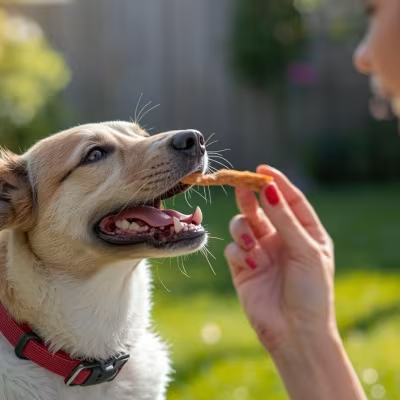
- Start with Proximity: Begin by simply spending time with your dog near the car, engine off. Don't pressure them to get in. Toss treats near the car, play a favorite game close by. The idea is to create positive associations with the car’s presence, making it a normal, non-threatening part of their environment.
- Open the Doors: Once they're comfortable near the car, open all the doors and let them explore at their own pace. Allow them to sniff around the interior and exterior. Keep the atmosphere light and positive, offering praise and treats for any curiosity they show.
- Treats Inside: Place high-value treats (their absolute favorites!) inside the car, on the floor, or on the seats. Let them jump in to retrieve them if they choose. Never force them. If they only put their front paws in, that’s a win! Praise and reward. Slowly increase the time they spend inside, always with the doors open.
- Comfort Items: Introduce a favorite blanket, bed, or toy into the car. This familiar scent and object can provide a sense of security and comfort in the new environment.
Phase 2: Introducing the Engine and Short Stays
- Engine On, Stationary: Once your dog is comfortable getting in and out of the car, and spending a few minutes inside with the engine off, move to the next step. Have them get in (with treats and praise), close the doors (if they are comfortable), and then turn the engine on for a very short period (5-10 seconds). Turn it off, praise, and let them out. Gradually increase the engine-on time.
- Stay Inside Longer: With the engine running, increase the duration of their stay. You can sit with them in the car, talk to them calmly, offer chews or toys. Read a book, listen to music – anything that shows them it's a calm, safe place to be, even with the engine on.
Phase 3: Very Short, Gentle Drives
- The Driveway Drive: This is a crucial step for desensitize dog to car travel. Once they're relaxed with the engine running while stationary, try a very short "drive" – just up and down your driveway, or simply reversing a few feet and pulling forward. The key here is gentle acceleration and braking. Immediately praise and reward them upon stopping.
- Short Trips, Positive Destinations: Gradually increase the distance. Make the initial short trips to highly rewarding places – a local park, a friend's house where they love to visit, or even just around the block back home. Avoid making all car trips end at the vet during this phase. The goal is to build positive associations. When thinking about "my dog hates car journeys solutions," remember that the destination matters!
Addressing Motion Sickness
If you suspect motion sickness is the primary issue:
- Limit Food Before Travel: Withhold food 2-3 hours before a car ride. A full stomach can worsen motion sickness.
- Fresh Air and View: Ensure good ventilation. Some dogs do better if they can see out the window (safely secured, of course), while others find the visual input overwhelming and do better in a covered carrier. Experiment to see what works for your dog.
- Gradual Exposure: As outlined above, start with very short rides and gradually increase duration. This helps their vestibular system (responsible for balance) adapt.
- Vet Consultation for Medication: If behavioral techniques aren't enough, talk to your vet. There are safe and effective prescription medications (like maropitant citrate) that can prevent nausea and vomiting, making the initial desensitization workflow much easier. This can be a game-changer for dealing with canine motion sickness in the car.
Common Mistakes to Avoid
When working to overcome car anxiety, certain actions can inadvertently set back your progress or exacerbate your dog's fear:
- Forcing Your Dog: Never drag, push, or physically force your dog into the car. This will only increase their fear and create stronger negative associations. Patience is key.
- Punishing Fear: Yelling, scolding, or punishing your dog for showing signs of fear (whining, shaking, drooling) will not help. They are genuinely scared, and punishment will only make them more afraid of you and the situation.
- Inconsistent Training: Sporadic training sessions or giving up too soon won't yield results. Consistency and repetition are vital for your dog to learn and internalize new positive associations.
- Only Driving to Negative Destinations: If every car ride ends at the vet, groomer, or boarding facility, your dog will quickly learn to dread the car. Mix in fun, positive trips.
- Going Too Fast: Rushing through the desensitization steps before your dog is truly comfortable at each stage is a recipe for failure. Go at your dog's pace, even if it feels incredibly slow.
- Not Using Proper Restraints: Forgetting safety is a big mistake. An unrestrained dog is a dangerous projectile in an accident and can distract the driver. Always use a crash-tested harness and seatbelt or a secure, well-ventilated crate.
- Feeding a Large Meal Before Travel: This can lead to an upset stomach, especially if your dog is prone to motion sickness, reinforcing negative car associations.
Pro Tips from My Clinical Experience
Over the years, I've seen a few recurring themes and techniques that really stand out as effective:
- "The Car Game": I often recommend turning the car into a fun game. Instead of just getting in for a ride, sometimes simply open the door, toss a treat in, let them grab it and get out. Repeat several times. This makes the car an exciting source of rewards without the pressure of a full trip.
- Calmness is Contagious: Your own demeanor plays a huge role. If you are stressed, tense, or frustrated, your dog will pick up on that energy. Stay calm, speak in soothing tones, and project confidence. Your calm energy can be one of the best calming techniques for dogs scared of cars.
- Consistency is Paramount: This isn't a one-and-done training. Regular, even short, positive interactions with the car are more effective than infrequent, long, and stressful ones. Make it part of your routine.
- Start Young (Puppies!): If you have a puppy, start exposing them to positive car experiences early on. Short, happy rides to fun places can prevent car anxiety from ever developing. For a "puppy afraid of car, what to do" question, the answer is usually: start with positive, short exposures and make it fun from day one!
- Consider Calming Aids: For some dogs, a pheromone diffuser or spray (like Adaptil) in the car, or a thunder shirt, can provide an additional layer of comfort and reduce overall anxiety levels. Discuss these options with your vet.
- Professional Help: For severe cases of car phobia, don't hesitate to consult a certified professional dog trainer or a veterinary behaviorist. They can offer tailored plans and specialized techniques.
When to See a Vet
While many cases of car anxiety can be managed with behavioral modification at home, there are times when professional veterinary intervention is crucial:
- Severe Motion Sickness: If your dog consistently experiences severe vomiting, excessive drooling, or distress despite withholding food and trying desensitization, it's time to see your vet. We can prescribe medications to prevent nausea and make training much more effective.
- Extreme Anxiety or Panic: If your dog exhibits extreme symptoms such as uncontrolled shaking, excessive panting, destructive behavior, prolonged whining or barking, aggression, or inability to settle down even with a gradual approach, these are signs of severe panic.
- Sudden Onset of Fear: If your dog was previously fine with car rides and suddenly develops intense fear, it's important to rule out any underlying medical issues that might be causing discomfort or pain. Something as simple as an ear infection or dental pain can make car motion unbearable. This is especially true for "why is my dog suddenly afraid of car rides?" – a medical check-up is always prudent.
- Ineffective Behavioral Modification: If you've diligently followed the desensitization and counter-conditioning steps for several weeks and see no improvement, or the problem is worsening, your vet can offer additional strategies, including anti-anxiety medications that can help lower their overall stress threshold and make them more receptive to training.
- Considering Sedation: Never attempt to sedate your dog with over-the-counter medications or human medications. If sedation is deemed necessary for travel (e.g., for long-distance moves), your vet can provide safe and appropriate prescriptions and dosages.
Frequently Asked Questions
Q: How long will it take to fix my dog's car fear?
A: There's no single answer, as every dog is an individual. For some, it might take a few weeks; for others, several months of consistent work. The key is patience and celebrating small victories. Don't rush the process; let your dog set the pace.
Q: Can I just sedate my dog for car rides?
A: Sedation should generally be a last resort and always done under veterinary guidance. While it can be helpful for necessary long trips, it doesn't address the underlying fear and can have side effects. Our primary goal is always to help your dog feel genuinely comfortable, not just suppress their anxiety.
Q: My dog cries the entire car ride. What does that mean?
A: Persistent crying or whining in the car usually indicates distress, anxiety, or motion sickness. It's their way of communicating discomfort. Observe for other symptoms like drooling, panting, or restlessness. A calm, consistent training approach combined with addressing potential motion sickness is crucial here.
Q: Are certain dog breeds more prone to car anxiety?
A: While any dog can develop car anxiety, some anecdotal evidence suggests that smaller breeds may be more susceptible to fear, possibly due to their size making the car feel larger and more intimidating. Brachycephalic breeds (flat-faced dogs like Pugs or Bulldogs) might be more prone to motion sickness due to their physiology. However, proper early socialization and positive exposure are more influential than breed alone.
Conclusion
Helping your dog overcome their fear of the car is a journey that requires time, understanding, and unwavering patience. It's about building trust and creating positive associations, one tiny step at a time. Remember, your dog isn't trying to be difficult; they are genuinely afraid, and it's our responsibility as their guardians to help them feel safe and secure.
By implementing the strategies we've discussed – from gradual desensitization and counter-conditioning to addressing motion sickness and seeking veterinary guidance when needed – you can make a profound difference in your dog's life. Imagine the freedom and joy of being able to take your beloved companion on adventures without the stress. With consistent effort and a loving approach, you can transform car rides from a source of dread into a pleasant part of your shared life. Here's to many happy and safe travels ahead!

0 Comments
No comments yet. Be the first to share your thoughts!
Leave a Comment