Keeping Paws Off the Platters: A Comprehensive Guide to Preventing Your Dog from Stealing Food from the Coffee Table
Hello, fellow pet parents! Dr. Edward Hale here, and today we're tackling a topic that brings both frustration and a chuckle to many of us: the notorious coffee table food heist. You know the drill – you turn your back for a second, a delicious snack is within reach, and suddenly, poof! It's gone, swallowed by a furry bandit with an innocent look on their face. While it might seem like a cheeky act of defiance, rest assured, your dog isn't trying to annoy you. This behavior is deeply rooted in their natural instincts, and with patience, consistency, and the right strategies, we can guide them toward better manners. More importantly, we can keep them safe from potentially harmful human foods. Let's dive into how to finally achieve a snack-safe living room and prevent your dog from grabbing food off the coffee table.
Understanding the "Why" Behind the Behavior
Why Dogs Steal Food
To effectively address this behavior, it helps to understand why our canine companions are so drawn to unattended snacks. It’s not malice; it’s instinct and opportunity:
- Natural Scavengers: Dogs are descendants of wolves, natural scavengers who learned to capitalize on any available food source. In the wild, leaving food unattended was an invitation to a quick meal. This innate drive is still present in our domesticated pets.
- Opportunity Knocks: A coffee table laden with tempting treats represents a golden opportunity. If it's there and accessible, why wouldn't they try to get it?
- Self-Rewarding Behavior: Every time your dog successfully snatches a forbidden treat, they get a delicious reward. This positive reinforcement makes them more likely to repeat the behavior. They learn that a quick grab often pays off, making it a very strong habit to break.
- Boredom or Lack of Stimulation: A dog who isn't getting enough physical exercise or mental enrichment might seek out "entertainment" in mischievous ways, and stealing food is a thrilling game to some.
- Undertraining or Inconsistency: If boundaries haven't been clearly established, or if rules are inconsistently enforced across family members, your dog won't understand what's expected of them.
The Dangers of Unattended Food
Beyond the annoyance and the loss of your favorite snack, there are significant safety risks associated with your dog eating human food without permission:
- Toxic Foods: Many human foods are highly toxic to dogs. Chocolate, grapes, raisins, xylitol (a common artificial sweetener), onions, garlic, and avocado are just a few examples that can cause severe illness or even be fatal.
- Choking Hazards: Chicken bones, corn cobs, fruit pits, and even large chunks of food can become lodged in your dog's throat or digestive tract, leading to choking or blockages requiring emergency surgery.
- Digestive Upset: Rich, fatty, or spicy human foods can cause severe gastrointestinal upset, including vomiting, diarrhea, and a painful condition called pancreatitis, which can be life-threatening.
- Weight Gain: Regular consumption of human food adds unnecessary calories, contributing to obesity and related health issues like diabetes, joint problems, and heart disease.
- Behavioral Reinforcement: Every successful theft reinforces the bad habit, making it harder to correct and potentially leading to other unwanted behaviors like counter surfing.
Practical Strategies to Prevent Coffee Table Food Theft
Preventing this behavior requires a multi-faceted approach, combining environmental management, consistent training, and addressing your dog's fundamental needs. This is about more than just training a dog not to beg for human food from surfaces; it's about shaping a respectful and safe relationship around food.
Environmental Management: The First Line of Defense
The easiest way to stop a dog from stealing food is to remove the opportunity entirely. This is often the most effective method, especially in the initial stages.
- Prevent Access (No Opportunities): This is paramount. If there's no food for them to steal, they can't practice the behavior. Don't leave food unattended on coffee tables, end tables, or any surface within your dog's reach. Clear dishes immediately after eating. If you're hosting, consider using baby gates to restrict your dog's access to the dining area or living room when food is present.
- Dog-Proofing Your Space: Physically rearrange furniture if necessary. Can your dog easily jump onto the coffee table or reach over it? Maybe move the table slightly further from the couch or use a gate to create a boundary.
- Supervision is Key: When food is out, actively supervise your dog. This isn't about staring them down, but being aware of their proximity to the food and being ready to intervene.
Training and Behavior Modification: Building Good Habits
While environmental management is crucial, training teaches your dog what you do want them to do. Consistency from everyone in the household is critical for success.
- Teach "Leave It": This is arguably the most vital command for preventing food theft.
- Start by placing a low-value treat (something your dog isn't crazy about) on the floor, cover it with your hand, and say "Leave It."
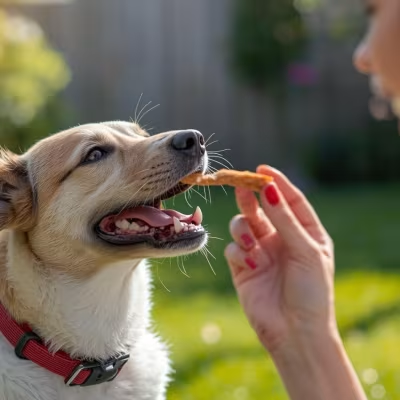
- When your dog backs away or looks at you, immediately reward them with a higher-value treat from your other hand.
- Gradually increase the difficulty: uncovered treat on the floor, then on a low surface, then on the coffee table. Always reward for ignoring the forbidden item.
- Practice in various locations and with different distractions. This command is key to safely managing dog behavior around kitchen and living room food.
- Teach "Go to Your Place" or "Settle": Designate a specific spot (a mat, bed, or crate) where your dog should go and relax when food is present.
- Lure your dog to their "place" with a treat and a verbal cue like "Place" or "Settle."
- Reward them generously for staying there, especially when food is on the table. Start with short durations and gradually increase the time they need to stay.
- Give them a long-lasting chew toy or a food puzzle while they are in their "place" to keep them occupied and reward their good behavior.
- Positive Reinforcement for Good Behavior: Actively reward your dog for ignoring food on the table. If they are lying calmly on their bed while you eat, toss them a small, approved treat or offer praise. We're looking to encourage simple ways to discourage dogs from eating human food without permission, and positive reinforcement is the best path.
- Interrupt and Redirect (Not Punish): If you catch your dog eyeing or reaching for food, calmly say "Ah-ah!" or "Leave It," then immediately redirect their attention to an appropriate chew toy or a quick training exercise. Reward them for engaging with the appropriate item. Avoid scolding or physical punishment, especially after the fact, as dogs don't associate delayed punishment with their actions.
Addressing Underlying Needs: A Holistic Approach
Sometimes, unwanted behaviors stem from unmet needs. Ensuring your dog is well-cared for can significantly reduce problem behaviors.
- Sufficient Exercise: A tired dog is a well-behaved dog. Ensure your dog gets adequate physical exercise for their breed and age. Daily walks, runs, or playtime can burn off excess energy that might otherwise be channeled into mischief.
- Mental Stimulation: Engage your dog's mind with puzzle toys, interactive feeders, training sessions, or scent work. A mentally stimulated dog is less likely to become bored and seek out trouble.
- Appropriate Diet: Ensure your dog is fed a high-quality, balanced diet in appropriate portions and on a consistent schedule. If your dog seems constantly hungry, consult your vet to rule out any underlying medical issues or to adjust their feeding plan.
- Stress Reduction: If your dog is anxious or stressed, they might act out in various ways. Identify and address potential stressors in their environment.
Common Mistakes: What NOT to Do
When trying to correct this behavior, it's easy to fall into traps that can inadvertently reinforce the very actions you're trying to stop.
- Punishing After the Fact: If your dog has already eaten the food, scolding or punishing them moments or minutes later will not teach them anything. They won't connect the punishment to the act of stealing the food; they'll only learn to fear you or become more secretive about their behavior.
- Inconsistency: If one family member allows begging or leaves food out, while others don't, your dog will become confused and continue to test boundaries. Everyone must be on the same page.
- Leaving Tempting Food Out: This sets your dog up for failure. It's unrealistic to expect a dog with strong scavenging instincts to resist a perfectly placed, delicious snack.
- Giving In "Just Once": Even a single instance of letting your dog have a morsel from the table can undo weeks of training. They'll learn that persistence eventually pays off.
- Assuming Malice: Remember, your dog isn't trying to spite you. They're acting on instinct. Approaching the problem with patience and understanding will yield far better results than frustration.
Pro Tips from Dr. Hale's Clinical Experience
Through my years in practice, I've seen firsthand what works and what doesn't. Here are a few "Dr. Hale Specials" to help you succeed:
- Tip 1: The "Invisible Barrier" Technique: Start by physically blocking access with a baby gate or crate when you can't supervise. Once your dog is reliably staying away, gradually introduce a verbal cue like "boundary" or "stay back" while removing the physical barrier for short periods. Reward heavily when they respect the invisible boundary. This is an effective strategy to keep pets away from unattended food.
- Tip 2: High-Value Alternatives: Always have appropriate, delicious, and engaging chew toys or puzzle feeders available. If your dog is mentally and physically satisfied with their own "treasures," they're less likely to covet yours. A filled KONG or a dental chew can be a lifesaver.
- Tip 3: The "Mock Scenario" Training: Set up controlled training sessions. Place a boring, dog-safe item (like an old toy) on the coffee table. Practice "Leave It" or "Go to Your Place." Start with you in the room, then step out briefly, gradually increasing the time. This helps generalize the training beyond when you're actively watching. This is essential for what to do if your dog keeps snatching forbidden treats.
- Tip 4: Consistency Across All Surfaces: If you train your dog to stay away from the coffee table, ensure those rules apply to kitchen counters, dining tables, and outdoor picnic areas. The principles of how to stop a dog from counter surfing and stealing snacks are the same as preventing coffee table theft. Dogs thrive on consistency.
- Tip 5: If You Can't Supervise, Crate or Gate: When you're eating, have guests over, or just can't actively supervise, it's perfectly fine to put your dog in their crate with a chew toy or behind a baby gate in another room. It prevents them from practicing unwanted behaviors and keeps them safe. This is a primary method for effective strategies to keep pets away from unattended food.
When to See a Vet
Most cases of food stealing are behavioral and can be managed with training and environmental changes. However, there are times when a veterinary consultation is crucial:
- Sudden Onset of Food Obsession: If your dog suddenly develops an insatiable appetite or starts stealing food when they never did before, it could signal an underlying medical issue. Conditions like parasites, malabsorption syndromes, hyperthyroidism, Cushing's disease, or even certain medications can increase appetite.
- Ingestion of Toxic Substances: If your dog eats something you suspect is toxic (chocolate, xylitol, grapes, etc.), contact your veterinarian or an emergency animal hospital immediately. Do not wait for symptoms to appear.
- Signs of Illness After Stealing Food: Vomiting, diarrhea, lethargy, abdominal pain, or changes in behavior after eating stolen food warrant an immediate vet visit.
- Food Guarding or Aggression: If your dog exhibits aggression (growling, snapping, biting) when approached while they have stolen food, or if they guard their food bowl aggressively, this is a serious behavioral issue that needs professional intervention from a vet and a certified professional dog trainer.
- Persistent or Escalating Behavior: If you've diligently tried all the above strategies for several weeks or months, and the behavior is not improving or is escalating, it's time to consult your veterinarian. They can help rule out medical causes and may recommend a certified professional dog trainer or a veterinary behaviorist to address complex behavioral patterns. Remember, what to do if your dog keeps snatching forbidden treats might involve more than just home training if the problem is severe.
Frequently Asked Questions (FAQ)
Q1: My dog only steals food when I'm not looking. How do I stop this sneaky behavior?
A: This is very common! It highlights the need for impeccable environmental management. If you're not actively supervising, there should be no food accessible on the coffee table. Practice "Leave It" and "Go to Your Place" diligently while you are present, and gradually introduce short periods where you step out of the room during a controlled training setup (e.g., with a safe, unappealing decoy item on the table). Your goal is to make it so unrewarding to steal that they don't even try when you're absent.
Q2: Is it okay to use a shock collar or other aversive tools to stop my dog from stealing food?
A: As a veterinarian and animal behavior enthusiast, I generally do not recommend the use of shock collars or other aversive tools for behavioral issues like food stealing. These methods can cause fear, anxiety, and pain, and can damage the bond you have with your dog. They often suppress the behavior rather than truly teaching an alternative, and can lead to other behavioral problems. Positive reinforcement, which focuses on rewarding desired behaviors, is much more effective, humane, and builds a stronger, more trusting relationship with your pet. This aligns with training a dog not to beg for human food from surfaces using humane methods.
Q3: My dog knows "Leave It" perfectly, but still occasionally steals food from the coffee table. Why?
A: This often happens because the "Leave It" command hasn't been fully generalized, or the reward for leaving it isn't perceived as valuable enough in certain situations. Ensure you're practicing "Leave It" in many different environments, with varying distractions, and always follow through with a high-value reward when they succeed. Also, consider the value of the stolen item – if it's super delicious, your dog might be "testing" the boundaries. Increase the value of your reward in these high-stakes situations, or simply remove the temptation entirely. Sometimes, the risk/reward calculation in their mind leans towards the forbidden snack. This is where preventing your dog from grabbing food off the coffee table needs layers of management and training.
Conclusion
Preventing your dog from stealing food from the coffee table is a journey that requires patience, consistency, and a clear understanding of canine behavior. It's about establishing boundaries, providing proper training, and ensuring your dog's fundamental needs are met. Remember, your furry friend isn't being naughty out of spite; they're simply acting on instinct. By implementing the strategies we've discussed – from robust environmental management to positive reinforcement training – you can create a safer, more harmonious home for everyone.
Keep your snacks safe, your dog healthy, and your living room stress-free. With dedication, you'll soon enjoy your coffee table treats without the fear of a furry, four-legged food thief. If you ever have concerns about your dog's sudden behavioral changes or health after ingesting something they shouldn't have, don't hesitate to reach out to your veterinarian. We're always here to help you and your beloved companion thrive. Warmly,
Dr. Edward Hale

0 Comments
No comments yet. Be the first to share your thoughts!
Leave a Comment