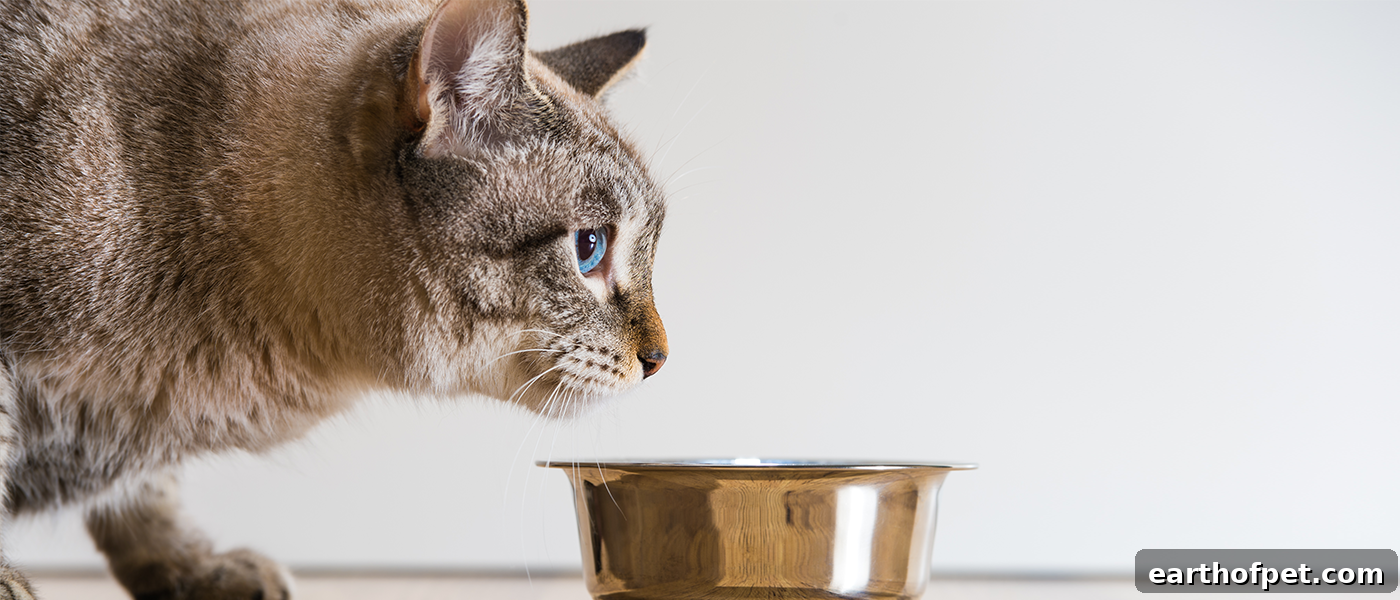
My cat doesn’t eat dry food
If you’re noticing that your cat refuses dry food, you’re not alone. Many cats prefer wet food or fresh meat, lose interest in kibble, or simply find mealtime boring. Fortunately, dry food’s stability and texture make it ideal for enrichment and training. Below are six practical, cat-friendly strategies to encourage interest in dry food by turning feeding into play, puzzle-solving, and bonding time.
1. Plastic Water Bottle Fun
A simple homemade puzzle feeder can spark your cat’s curiosity. Use a small, completely dry plastic water bottle and carefully cut several holes that are slightly larger than the kibble pieces. Start with larger, more numerous holes so your cat can see and feel the reward more easily. Fill the bottle with some dry food and replace the cap, then set the bottle on its side. The bottle will roll and occasionally release a piece of kibble when nudged.
To help your cat learn, roll the bottle slowly so she sees the cause-and-effect. As she masters the game, make additional bottles with progressively fewer or smaller holes to increase the challenge. This inexpensive approach stimulates hunting instincts and slows fast eaters while making meals more engaging.
2. Try More Challenging Puzzle Feeders
If your cat enjoys the bottle idea, consider investing in a purpose-built puzzle feeder designed for cats. There are many styles and difficulty levels available, from simple treat-dispensers to multi-compartment puzzles that require sliding or lifting parts. Choose one that matches your cat’s temperament—some cats prefer an easy win, while others enjoy a real challenge.
Place puzzle feeders in different areas of your home to encourage exploration and mental stimulation. If you have other pets, such as a dog, put puzzle toys in locations only your cat can reach so she can focus on the task without competition. Selecting a dry food with a stronger aroma or richer flavor can also help draw initial interest.
3. Treasure Hunts
Treasure hunts are a low-cost, low-tech way to make dry food enticing. Scatter a few pieces of kibble around high-traffic spots—on a perch, near a window, or close to a favorite nap area. Hide small caches in places your cat already enjoys exploring. The surprise of finding a snack encourages natural foraging behavior and adds excitement to the day.
Keep the portions small so the hunt becomes an activity rather than a meal replacement. This method is particularly good for active cats that enjoy moving through the home and investigating new scents and sights.
4. Hunting: A Natural Instinct
Cats evolved as hunters, and mealtime can mirror that process. Use interactive wand toys or other moving toys to mimic prey—flutter, twitch, pause, then resume—so your cat can stalk, pounce, and capture. Alternate between aerial movements and ground-level motion to recreate realistic hunting patterns and keep the session mentally engaging.
After play, reward your cat with a small portion of dry food. Framing kibble as the reward for a successful hunt reinforces the behavior and makes dry food far more appealing. Short play sessions before feeding also help satisfy physical and mental needs, which can increase a cat’s appetite.
5. Clicker Training
Clicker training builds communication between you and your cat and turns dry food into a motivational training tool. Using a clicker or a consistent sound, mark desired behaviors—sit, come, touch—and immediately reward with a piece of dry kibble. Over time, the click becomes the signal that good things follow, and your cat will perform behaviors to earn her reward.
If you’re concerned about calories, use parts of your cat’s daily kibble allowance rather than additional treats. Keep training sessions short, positive, and fun. Clicker training is useful for teaching manners, reducing stress during vet visits, and strengthening your bond through cooperative activities.
6. Create an Appealing Environment
Sometimes the issue isn’t the food but the setting. Make sure your cat’s feeding area is clean, quiet, and comfortable. Wash food bowls regularly and avoid leaving kibble out so long that it loses aroma or becomes stale. If your cat feels threatened by other pets, children, or household activity during mealtime, move her feeding station to an elevated perch or a secluded corner where she can eat undisturbed.
Consider your cat’s preferences: some enjoy watching the outdoors while they eat, others prefer a cozy, private spot. Small adjustments—a sturdier bowl, a mat to collect spilled food, or relocating the station—can make a measurable difference.
Final note: patience and observation are key. Try one or two of these methods and watch how your cat responds. Every cat is different—some will embrace puzzle feeders, others prefer interactive play or the predictability of clicker training. By aligning feeding strategies with your cat’s instincts and preferences, you’ll increase the chance she’ll accept and enjoy dry food as part of her routine.