Cat Food Checklist
You are what you eat — and the same applies to your cat. This cat food checklist focuses on what to look for when choosing dry cat food so you can make an informed, health-focused decision. A high-quality dry cat food is judged by its ingredients and nutritional balance. Below are the essential components that should appear on the label, why they matter, and a short list of ingredients and additives to avoid.
✔ Protein as the First Ingredient
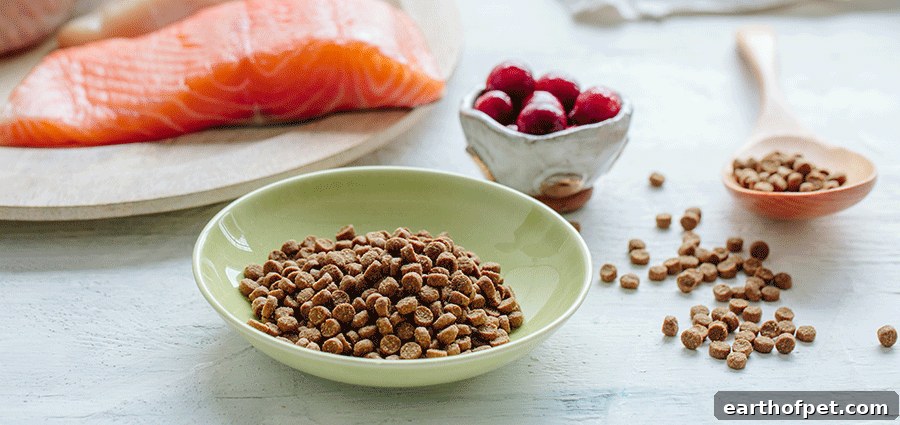
Cats are obligate carnivores and need animal-based protein as the primary nutrient. A trustworthy dry cat food will list a named protein source—such as chicken, turkey, lamb, or salmon—as the first ingredient rather than a vague term like “meat” or “meat by-products.” Named proteins indicate a clearer source of amino acids cats require for muscle maintenance, growth, and overall metabolic health. When reading labels, also check the guaranteed analysis for crude protein percentage and look for life-stage or species-appropriate formulations (kitten, adult, senior) to ensure the recipe matches your cat’s needs.
✔ Omega 3s and 6s
Omega-3 and omega-6 fatty acids are important for skin and coat health, inflammation control, and brain function. Common sources include fish oil, eggs, and flaxseed. A quality dry food will list omega-rich ingredients and often provides Omega-3s (EPA and DHA) and Omega-6s in measurable amounts on the packaging or in the nutrient profile. These fats help maintain a glossy coat, reduce itchiness, and support general cellular health.
✔ Vitamins and Minerals
Vitamins and minerals are essential for a complete and balanced diet. Look for a broad spectrum of micronutrients and for calcium and phosphorus specifically, which help maintain healthy bones and teeth. Other vitamins and minerals, such as B vitamins, vitamin D, and trace minerals like zinc and iron, support energy metabolism, immune function, and overall vitality. Reputable formulas will list these nutrients and often indicate compliance with established feeding guidelines or nutritional profiles.
✔ Antioxidant Vitamins
Antioxidant vitamins such as A and E play a role in protecting cells from oxidative stress and supporting immune health. Foods fortified with antioxidant vitamins are designed to help maintain long-term health and resilience, particularly in aging pets or those under environmental stress. These vitamins are commonly listed on ingredient panels and in the guaranteed analysis.
✔ Prebiotics, Probiotics & Dietary Fiber
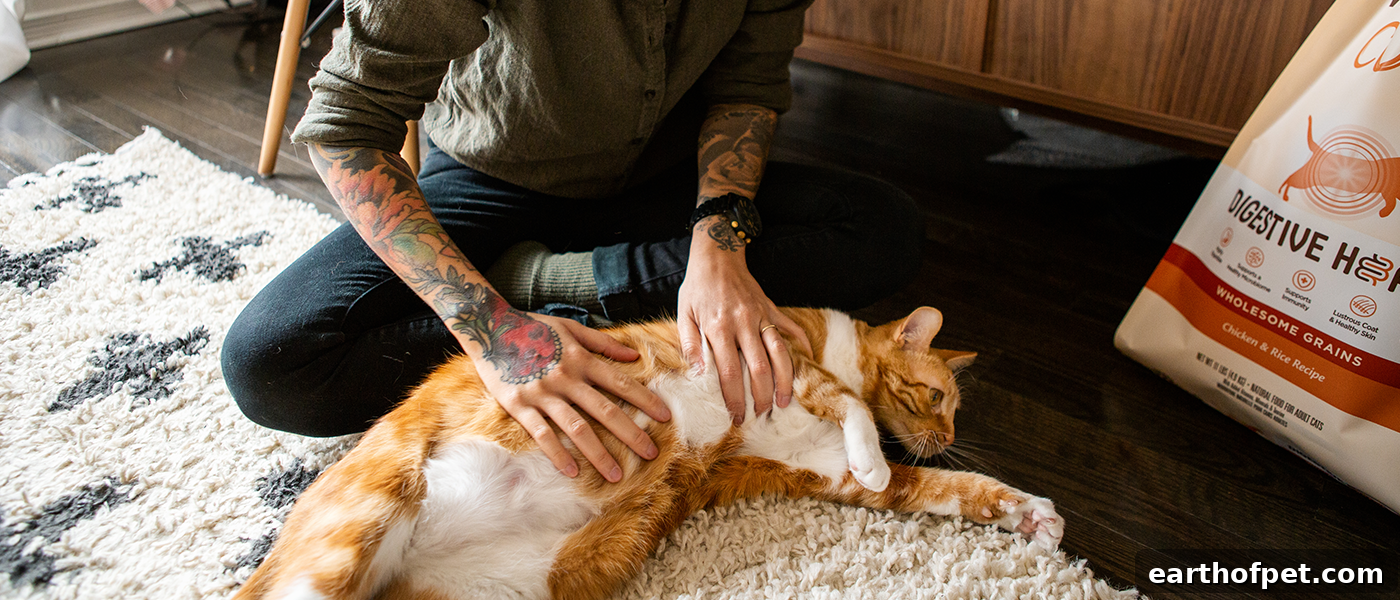
Digestive health is a key part of overall wellbeing. Prebiotics (like inulin or chicory root), probiotics (live beneficial bacteria), and dietary fiber (such as tomato pomace or beet pulp) all contribute to a healthy gut environment, improved nutrient absorption, and regular digestion. When a kibble lists guaranteed levels of probiotics or includes prebiotic fibers, it indicates the formula was developed with gut health in mind. Check for specific strains or guaranteed colony-forming units (CFUs) if probiotic content is a priority.
What a Cat Food “Shouldn’t” Have
Equally important to choosing the right ingredients is avoiding harmful or unnecessary additives. Below are common ingredients and categories you should minimize or avoid when selecting a dry cat food.
✗ Chemicals and Preservatives
Certain synthetic preservatives—such as BHT (butylated hydroxytoluene) and BHA (butylated hydroxyanisole)—are used to prolong shelf life but have raised health concerns. Opt for foods preserved with natural antioxidants (for example, mixed tocopherols) or those that clearly state safe preservation methods.
✗ Food Dyes
Artificial colorings are added for visual appeal to humans but provide no nutritional benefit to cats. Dyes like Blue 2, Red 40, and Yellow 5 and 6 have been associated with allergic-type reactions or behavioral effects in some animals. Avoid products that list artificial colors on the ingredient panel.
✗ Carbohydrate Fillers
Excessive carbohydrate fillers dilute the amount of animal protein and can contribute to weight gain in less active cats. Ingredients such as corn meal, wheat gluten, or excessive grains may be used as inexpensive bulking agents. Look for formulas that prioritize quality proteins and moderate, wholesome carbohydrate sources rather than heavy filler content.
✗ Rendered Fat
Rendered animal fat is sometimes added as a flavor enhancer, but it can be of variable quality and may introduce contaminants. Higher-quality recipes will use named fat sources and list healthy oils, rather than unspecified rendered fats, to avoid potential microbial or toxin-related issues.
Final tips: read the label carefully, consider your cat’s age, weight, and health status, and choose foods that meet recognized nutritional standards for cats. If your cat has special dietary needs, consult your veterinarian before making major changes. A well-chosen dry food focused on named proteins, essential fats, balanced vitamins and minerals, digestive support, and minimal harmful additives will help your cat thrive.