7 Smart Adjustments That Can Make a Big Difference
Most dog owners understand that caring for a senior dog requires some changes, but it’s not always clear which adjustments matter most. Knowing how to adapt daily routines as your dog ages can keep them comfortable, active, and happy throughout their later years.
Common questions include whether walks should be shorter, whether diet should change, and whether increased sleep is normal. The answers usually point to small, targeted changes rather than dramatic overhauls. These seven practical strategies focus on mobility, mental health, routine, and monitoring so you can respond proactively to your dog’s evolving needs.
When Is a Dog Considered a Senior?
Dogs enter their senior years at different ages depending on breed and size. These are general guidelines:
- Small dogs (under 20 lbs): around 10–12 years
- Medium dogs (21–50 lbs): around 8–10 years
- Large dogs (51–90 lbs): around 6–8 years
- Giant breeds (over 90 lbs): around 5–7 years
Age alone doesn’t tell the full story—watch your dog’s energy levels, mobility, appetite, and behavior to determine when they enter their senior phase.

1. Adjust Exercise — Don’t Eliminate It
One of the biggest mistakes is assuming older dogs should simply rest all the time. Regular, gentle exercise remains essential to preserve muscle tone, support joint mobility, control weight, and reduce anxiety or restlessness.
The goal is lower intensity but consistent activity. Shorter, more frequent walks often work better than long, strenuous outings. Swimming or controlled play can be excellent low-impact options for dogs with joint concerns. Always tailor activity to your dog’s comfort and energy level; gradual warm-ups and cool-downs help prevent strain.
2. Watch for Subtle Mobility Changes
Joint stiffness and reduced flexibility are common, but the early signs can be subtle. Look for hesitation before jumping, slower rising from a lying position, reluctance to climb stairs, shorter strides on walks, or uneven gait.
Simple home adjustments make daily life easier: an orthopedic bed to relieve pressure, ramps or steps to access couches and beds, non-slip rugs on slippery floors, and trimmed nails to prevent balance issues. If mobility declines noticeably, consult your veterinarian about pain management and physical therapy options.
3. Pay Attention to Sleep Patterns
Older dogs often sleep more, but sudden changes in sleep patterns can indicate discomfort, pain, anxiety, or cognitive changes. Signs to watch for include increased restlessness at night, pacing, frequent waking, or sleeping much more than usual.
Tracking sleep and behavior over time helps identify gradual declines versus sudden problems. A predictable bedtime routine and a comfortable, supportive sleeping area can improve sleep quality for aging dogs.
4. Monitor Weight and Appetite
Metabolism often slows with age, but some senior dogs lose weight due to reduced appetite or underlying illness. Others may gain weight because they’re less active.
Regularly weighing your dog and noting changes in appetite will help you spot issues early. Adjust portion sizes and meal frequency as needed, and discuss diet changes with your veterinarian—senior-specific diets can support joint health, maintain ideal weight, and address other age-related concerns.
5. Support Mental Stimulation
Mental enrichment remains important for senior dogs. Engaging activities help maintain cognitive function, reduce boredom, and provide emotional satisfaction.
- Puzzle feeders and food-dispensing toys
- Short training refreshers to reinforce commands and confidence
- Scent and foraging games that rely on natural instincts
- Gentle interactive play and supervised social time
Keep sessions short and positive, adjusting difficulty to match your dog’s abilities.
6. Stay Consistent With Routine
Predictable daily routines benefit many senior dogs. Consistency in meal times, walks, and sleep reduces stress and helps dogs feel secure. Changes in schedule, environment, or household members can be more confusing or upsetting to older dogs, so maintain familiar patterns whenever possible.
7. Keep an Eye on Small Behavioral Changes
Notice patterns over time rather than reacting to single incidents. Subtle behavior changes—declining activity, increased panting or fatigue, altered sleep habits, shifts in mood or interaction—can be early indicators of pain, illness, or cognitive decline. Because dogs often hide discomfort, these small signals can provide critical clues.
When you observe persistent changes, document what you see and share it with your veterinarian. That record will help the vet identify trends and tailor examinations or treatments more effectively.
A Modern Approach to Senior Dog Health
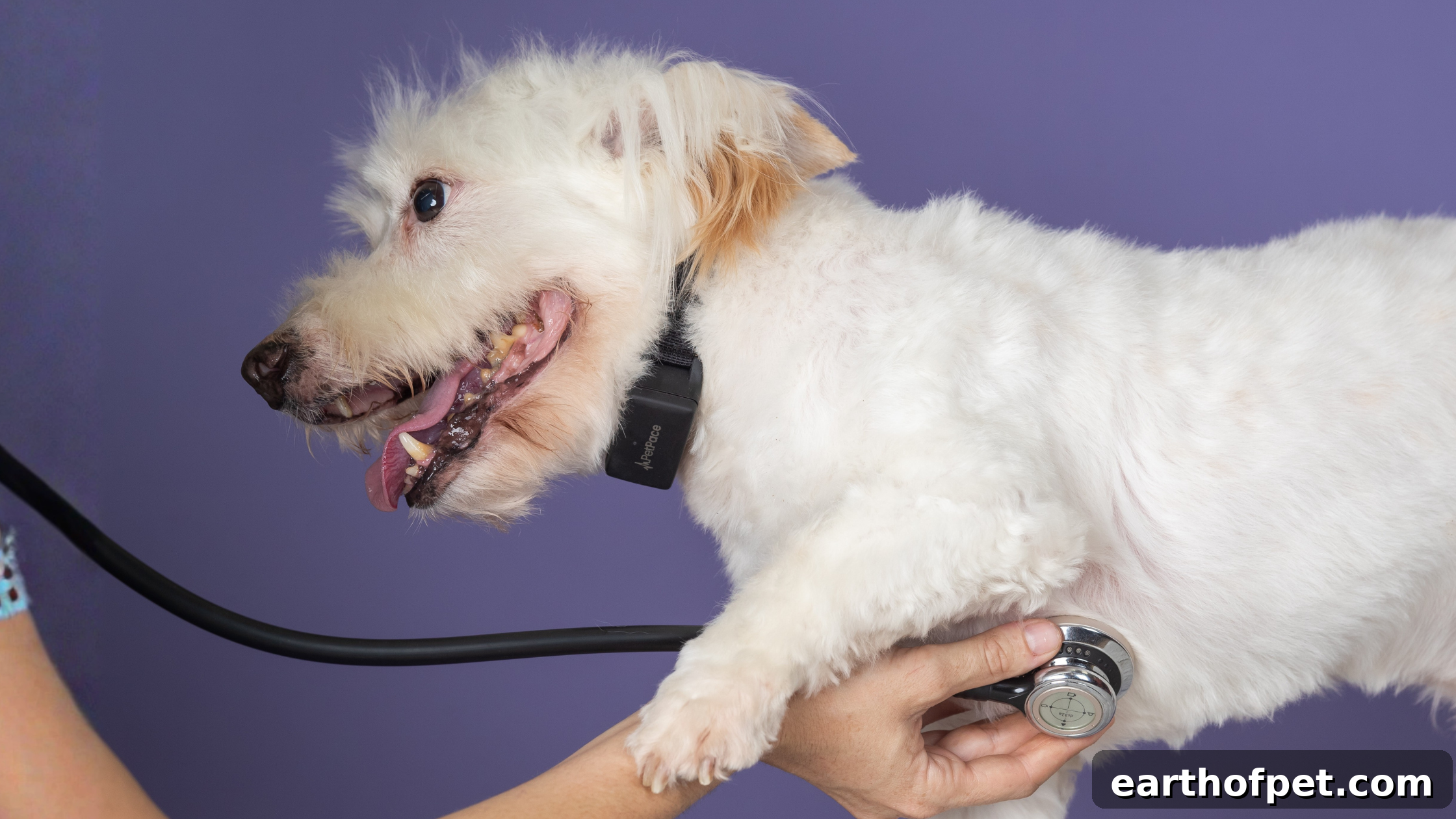
Many owners now combine attentive caregiving with tools that monitor daily patterns. Smart health devices, such as activity and health-tracking collars, can log activity levels, resting patterns, and sometimes heart rate to reveal trends over weeks and months. These insights help owners and veterinarians spot subtle shifts in health earlier and make more informed decisions about long-term care.
Caring for a senior dog is about adjusting small details: exercise intensity, home comforts, mental stimulation, consistent routines, and close observation. These thoughtful changes make a big difference in comfort and quality of life as dogs age.