How much dry dog food?
Feeding your dog the right amount of dry food is a key part of responsible pet ownership. A balanced diet provides the energy and nutrients your dog needs to thrive and supports overall wellbeing. Determining the correct portion, however, can be confusing because dogs differ greatly in size, age, activity level, and health status. This article offers clear, practical guidance to help you choose the right dry food and calculate appropriate portions for your individual dog.
Choosing A Food
Start by selecting a food formulated for your dog’s specific needs. Look for products labeled for the appropriate life stage (puppy, adult, senior), size class (small, medium, large), or special requirements such as food sensitivities or weight management. Choose a reputable brand that lists high-quality ingredients and guarantees a complete, balanced nutritional profile. For more detailed guidance on selecting a product, see the resources linked on choosing the best dry food for your dog.
Check the Label
Most quality dry foods include feeding recommendations on the label based on your dog’s weight and life stage. Use these suggestions as a starting point rather than an absolute rule. Labels typically provide daily totals or amounts per feeding; follow them initially and then monitor your dog’s body condition. If your dog begins to gain unwanted weight, reduce the daily amount by about 10% and reassess. If your dog appears underweight, consider increasing feeding by roughly 10% and continue to monitor. Regular veterinary checkups are essential to track weight and overall health, and your veterinarian can help you fine-tune feeding amounts and ratios.
Consider Age
Age dramatically affects nutritional needs. Puppies are growing rapidly and require more calories and nutrients per pound of body weight than adult dogs; they also benefit from more frequent feedings. As puppies mature, switch to an appropriate adult formula when recommended by the food manufacturer or your veterinarian. Adult dogs typically require fewer calories than growing dogs, and senior dogs may need adjustments in calorie intake and nutrient density depending on their health, metabolism, and activity level. Monitor your dog’s weight and condition closely during life-stage transitions.
The Whole Picture
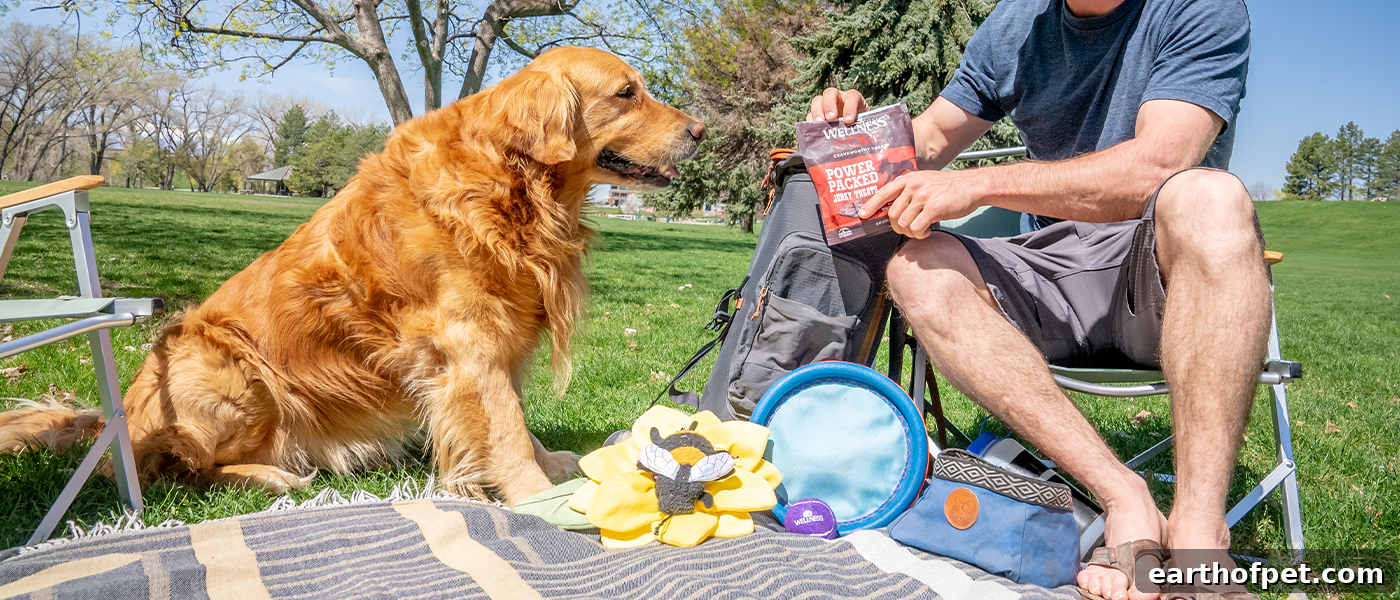
When calculating how much dry food to feed, consider your dog’s total daily calorie intake. This includes wet food, treats, toppers, and any mixers you add to meals. Treats and extras can add significant calories if given frequently, so include them when assessing overall portions. Keeping an accurate picture of all caloric sources helps maintain a healthy weight and ensures nutritional balance.
Combining A Variety of Foods
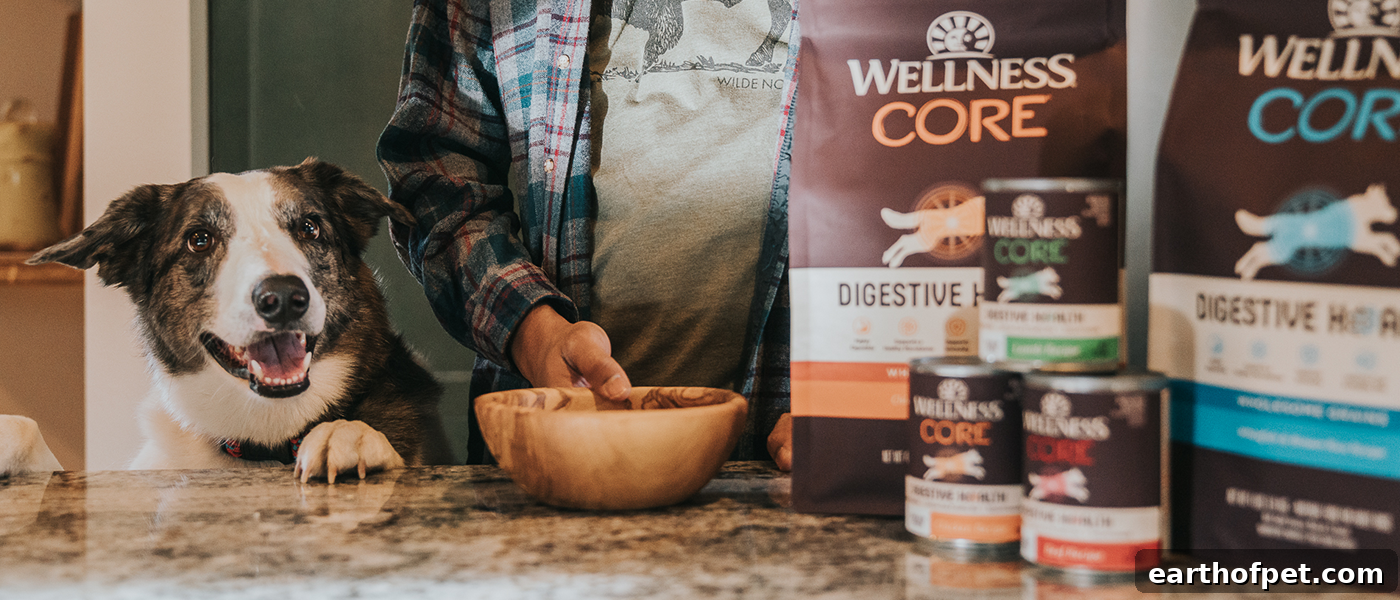
If you feed both wet and dry foods, confirm that each product you use is labeled “complete and balanced.” When both are complete diets, you can combine them by adjusting proportions to keep your dog’s total daily calories consistent. For example, if you decide to replace 20% of your dog’s dry food calories with wet food, reduce the dry portion by 20% to maintain the same caloric intake. Many wet-food labels provide feeding guidelines and sometimes a conversion indicating how much dry food a can of wet food replaces, but conversions are typically brand-specific and may not apply across manufacturers. Treats, mixers, and toppers should generally make up no more than 10% of total daily calories—choose canine-safe options and account for them in your daily totals.
How Often Should I Feed My Dog?
Once you know your dog’s daily portion, decide on a feeding schedule that fits your lifestyle and your dog’s needs. Frequency often depends on age and individual habits: puppies usually require multiple small meals per day to support steady growth, while many adult dogs do well with one or two meals daily. Some dogs prefer to graze or nibble throughout the day, while others eat set meals at scheduled times. Choose a routine that maintains consistent daily intake, supports good digestion and behavior, and fits your household schedule. If separation anxiety or mealtime behavior is a concern, timed feeders or scheduled mealtimes can help establish a predictable pattern.
Regular monitoring is essential: weigh your dog periodically, assess body condition, and adjust portions as activity level, health, or age changes. When in doubt, consult your veterinarian for personalized feeding recommendations that match your dog’s health profile and lifestyle.