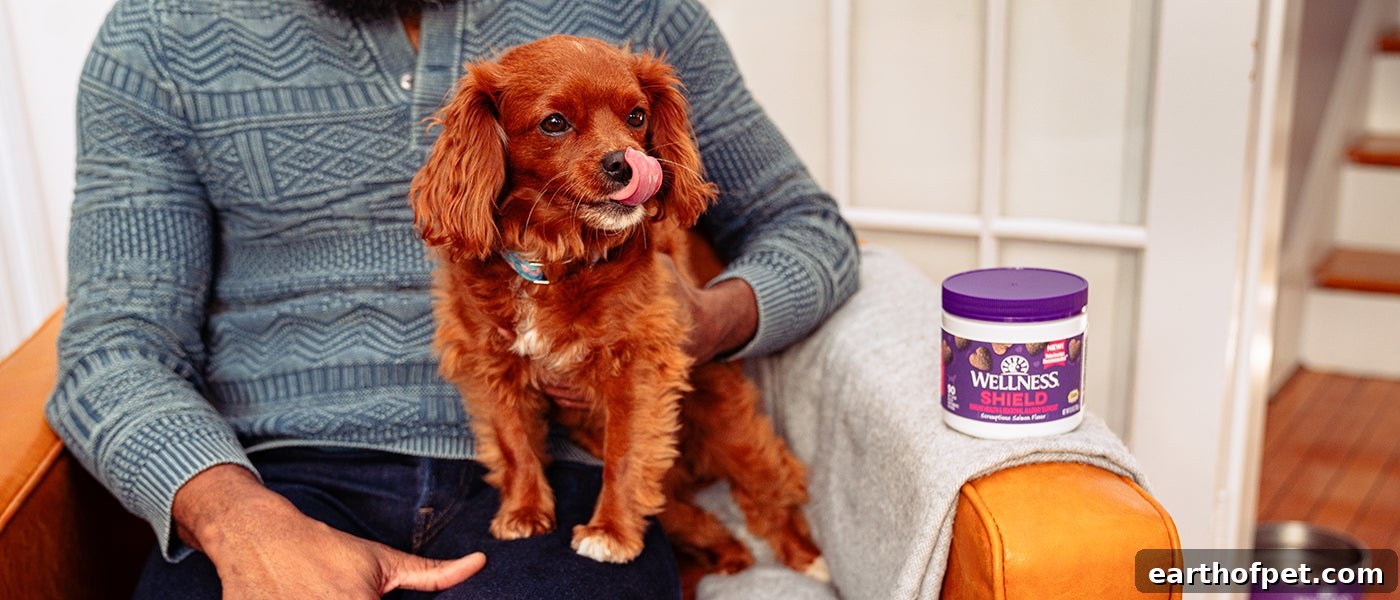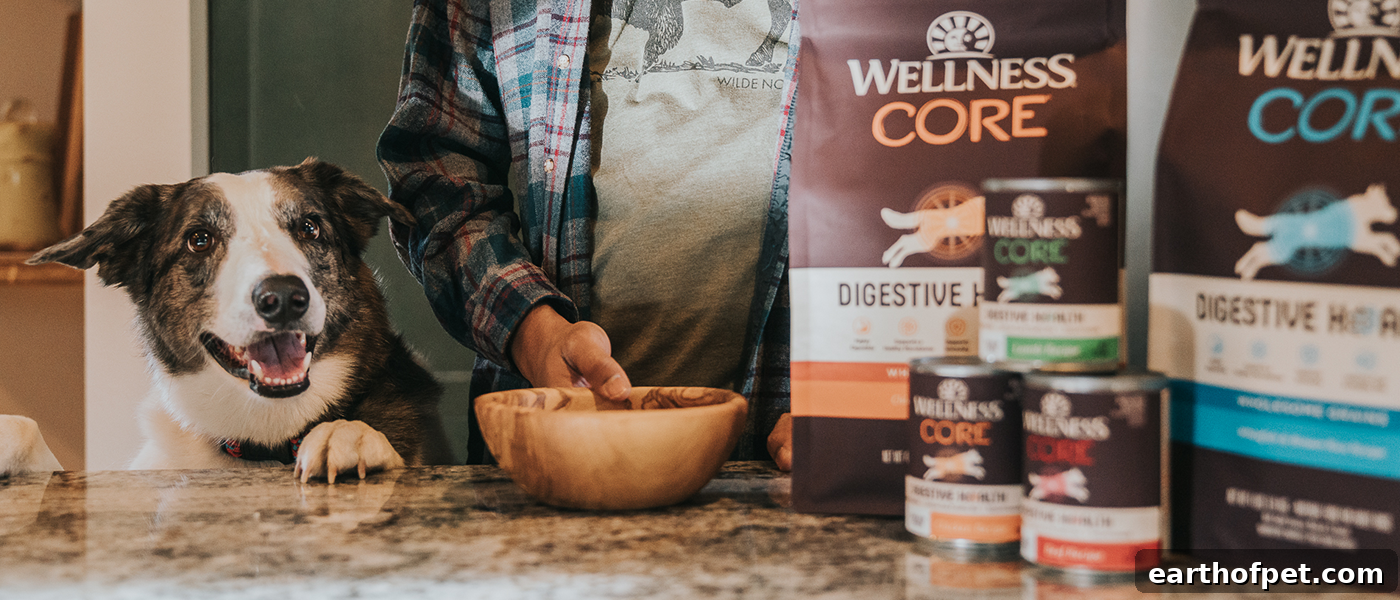
At Wellness Pet, we know the relationship between you and your pet is the cornerstone of a happy, healthy life. After months—or even years—of constant companionship at home, returning to an office routine is a big change for both of you. While those extra cuddles are wonderful, it’s important to prepare your pet for more alone time to reduce stress, prevent behavioral issues, and keep tails wagging.
If you’re preparing to go back to work and want the transition to be as calm and easy as possible, below are practical, expert-backed tips to help your dog feel secure, confident, and comfortable while you’re away.
How do I know if my dog has separation anxiety?
Recognizing separation anxiety early lets you take a measured approach. This condition goes beyond ordinary sadness—dogs can experience significant physical and emotional distress when separated from their caregivers. Common signs include:
- Pacing, restlessness, or panting when you prepare to leave.
- Excessive barking, whining, or howling after you close the door.
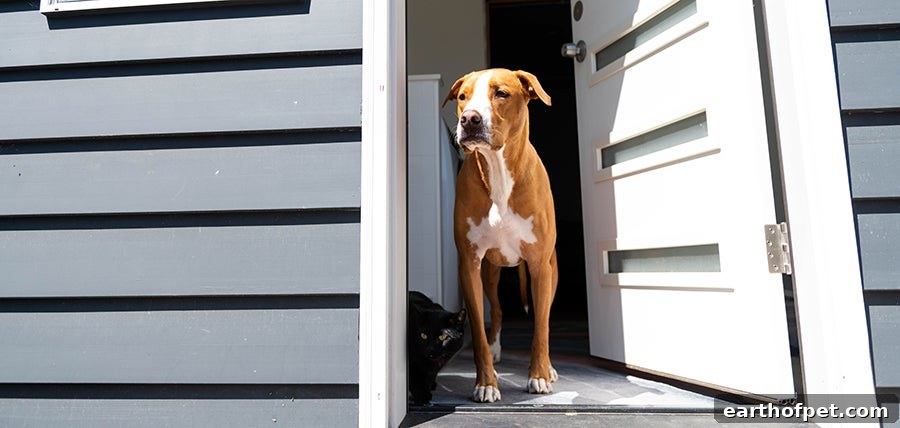
- Destructive behavior focused near exits, like chewing at doors or windows.
- House-soiling or accidents indoors despite reliable housetraining.
Spotting these behaviors early allows you to combine behavior modification, environmental changes, and supportive routines to improve your dog’s wellbeing before your first day back at the office.
How do I stop my dog from crying when I leave for work?
The objective is to make departures a calm, predictable event. With patience and consistency you can reduce anxiety and teach your dog that your leaving is temporary and safe.
1. Start with Mini-Absences
Avoid jumping straight into full workdays. Begin by leaving for short, low-stress outings—five minutes to check the mail, then ten minutes for a quick errand—and slowly extend the time away. These incremental steps help your dog learn the most important lesson: you always return.
2. Desensitize Leaving Triggers
Dogs notice the cues that signal your departure, like picking up keys or putting on shoes. Break the connection between these signals and leaving by performing them randomly while staying put—pick up your keys and sit down, or put on your coat and then have breakfast. Repeating this reduces anticipatory anxiety tied to those rituals.
3. Keep Departures and Arrivals Low-Key
Enthusiastic goodbyes and high-energy reunions can heighten a dog’s arousal and anxiety. Aim for calm exits and quiet returns. Wait until your dog is settled before giving attention, and use brief, gentle greetings rather than long, emotional interactions.
What can I give my dog to keep them busy while I’m at the office?
Mental stimulation is as important as exercise—boredom can fuel anxiety and unwanted behaviors. Try these approaches to keep your dog occupied and mentally satisfied:
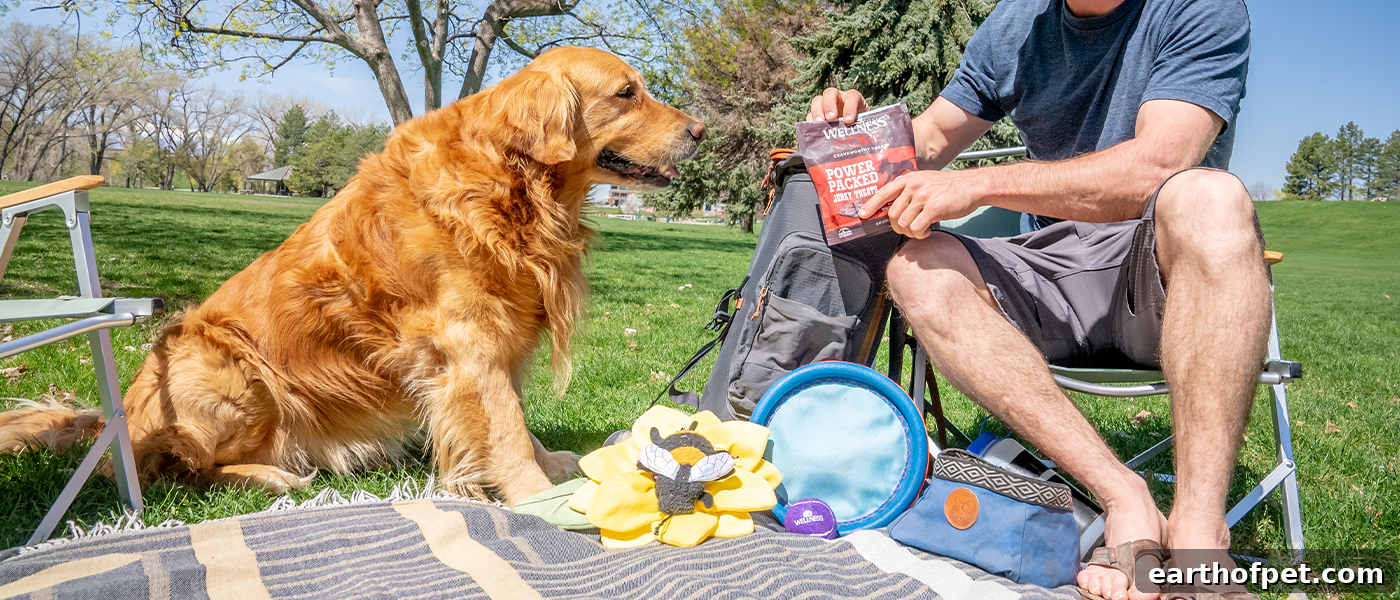
- Interactive Treat Toys: Stuff durable puzzle toys with small, healthy treats like Wellness CORE Tiny Trainers or a portion of your dog’s regular food. Working for the treats provides rewarding mental effort that helps tire them naturally.
- The “Sniff-ari” Walk: Before you leave, take a slow, scent-focused walk where your dog is allowed to explore with their nose. Scent work is calming and can reduce stress by lowering heart rate and providing enrichment.
- Calming Background Noise: Leaving soft music, a radio, or a pet-focused playlist on can buffer unsettling outdoor noises and make the home feel less empty.
Does diet and nutrition affect pet anxiety?
Nutrition plays an important role in overall health, and it can influence behavior and stress responses. A consistent, high-quality diet helps maintain digestive health and may support a calmer temperament during change.
- Support the Gut–Brain Connection: A healthy digestive system supports overall wellbeing. Consider diets formulated for sensitive digestion—such as Wellness Complete Health Sensitive Skin & Stomach—which include wholesome ingredients and probiotics to help stabilize gut health during stressful periods.
- Keep a Consistent Feeding Schedule: Predictability reduces stress. Feed at the same times each day and avoid sudden changes to diet or feeding routines when transitioning back to work.
Frequently Asked Questions
How long does it take for a dog to get used to you going to work? Every dog adjusts at its own pace, but with a gradual plan and consistent routines most dogs begin to settle within two to four weeks. Patience, incremental absences, and enrichment help speed this process.
Should I get a second dog to help with separation anxiety? A companion dog can benefit some pets, but separation anxiety often centers on the individual dog’s relationship with their human. Start with behavior modification, enrichment, and training before deciding if another pet is the right solution.
Is crate training good for separation anxiety? Many dogs find a properly introduced crate to be a comforting, den-like space. However, if a dog is already highly distressed, confinement can worsen their anxiety. Introduce the crate gradually as a positive, reward-filled retreat well before relying on it for longer periods alone.
At Wellness Pet, we’re dedicated to supporting you and your companion through life’s transitions. By combining mental enrichment, calm routines, and reliable nutrition, you can make your return to the office a smooth and positive chapter for both of you.
Join the Wellness community today to receive this guide, expert nutrition tips, and exclusive savings delivered straight to your inbox.