February isn’t just about Valentine’s Day and flowers—it’s also Pet Dental Health Month, a perfect reminder to pay attention to your pet’s oral care. Dental health is a vital part of overall wellbeing for both dogs and cats. Plaque, tartar, and gum disease can cause pain and lead to more serious problems if left unchecked. We’ve partnered with Best Friends Pet Hotel to share practical tips that help keep your pet’s breath fresh and their smile healthy.
Whether you care for a dog, a cat, or both, this article covers the essentials of pet dental health and provides simple, effective ways to maintain your companion’s oral hygiene year-round.
Why Pet Dental Health Matters
Oral disease affects many pets at an early age. Studies suggest that a large percentage of pets show signs of dental disease by the time they are a few years old. Left untreated, dental problems can cause chronic pain, reduce appetite, and allow bacteria to travel from the mouth into the bloodstream, potentially affecting organs like the heart, kidneys, and liver. Regular dental care prevents discomfort and helps maintain your pet’s overall health.
The good news is dental disease is largely preventable. With routine veterinary exams, consistent at-home care, and the right dental products, you can dramatically reduce the risk of serious oral issues and help your pet enjoy a comfortable, healthy life.
Here are five signs of periodontal disease to watch for in dogs.
Routine Vet Visits: The Foundation of Oral Care
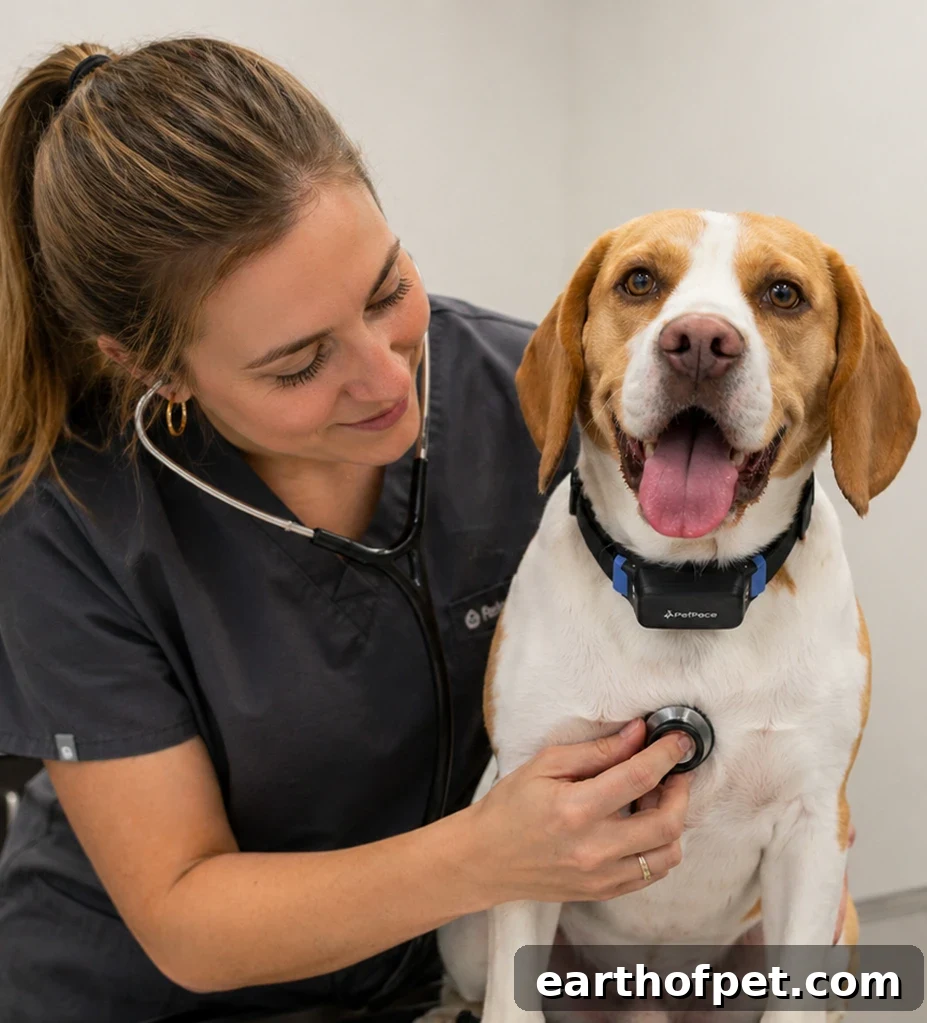
Regular veterinary checkups are essential and should include oral exams. Most veterinarians recommend annual dental assessments to spot early signs of plaque, tartar, gum inflammation, loose or fractured teeth, and infections. A professional veterinary dental cleaning under anesthesia allows the vet to examine each tooth and clean where at-home routines can’t reach.
Common elements of a dental exam include:
- Tartar and plaque evaluation – teeth that appear yellow or brown usually need professional cleaning.
- Gum health assessment – swollen, red, or bleeding gums are warning signs.
- Tooth integrity – fractured, loose, or worn teeth may require treatment.
- Breath analysis – persistent bad breath can indicate periodontal disease or other issues.
- Infection screening – infected teeth or gums need prompt attention to avoid systemic complications.
If problems are found, your veterinarian will recommend treatment and a follow-up care plan. Costs for professional cleanings vary, so consult your clinic for specific pricing and options for both dogs and cats.
Learn more about supporting your dog’s dental health, including brushing and other preventive measures.
Brushing Your Pet’s Teeth: Practical Tips
Brushing is the most effective at-home method to prevent plaque and tartar buildup. While it may seem difficult at first, most pets can get used to a gentle brushing routine if you introduce it gradually and use pet-specific products.
- Use the right tools: Choose a toothbrush made for pets and a pet-safe toothpaste. Human toothpaste can be harmful to animals. Pet toothpastes come in palatable flavors like chicken or tuna to make the experience more pleasant.
- Introduce brushing slowly: Start by rubbing your pet’s gums with your finger, then try a finger brush before using a toothbrush. Keep sessions short and calm to build positive associations.
- Brush gently and regularly: Aim for two to three times per week at a minimum, focusing on the outer tooth surfaces where plaque accumulates most. Daily brushing is ideal when possible.
- Reward and reinforce: Use praise, treats, or play after brushing to reinforce the routine and keep it stress-free for your pet.
This post has more tips and tricks for brushing a dog’s teeth.
Dental Treats and Chews: Helpful Additions
Dental chews can complement brushing and veterinary cleanings by helping reduce plaque and stimulating gums through chewing. WHIMZEES® dental treats are one example of vet-recommended chews designed to target plaque, tartar, breath, and gum health while your pet chews. Treats like these are not a replacement for brushing or professional care, but they can be a convenient, enjoyable addition to a balanced dental care routine.
Integrating Dental Care into Grooming
Grooming sessions are a great time to include dental maintenance. Routine grooming helps prevent skin and coat problems, and many professional groomers, including services offered by Best Friends Pet Care, include basic teeth brushing as part of their standard packages. Regular grooming combined with dental care keeps your pet healthy, comfortable, and looking their best.
Dental Care Is a Lifelong Commitment
Good oral health starts early and requires ongoing attention. Combining regular veterinary exams, consistent tooth brushing, appropriate dental chews, and routine grooming creates a comprehensive plan to protect your pet’s mouth throughout their life. Small, steady steps pay off with fewer dental problems, less pain, and a happier pet.
Pet dental health matters. With regular vet check-ups, at-home brushing, and supportive dental treats, you can help keep your pet’s teeth clean and their smile bright. Take the opportunity this Pet Dental Health Month to start or reinforce a routine—your pet will thank you with better health and a brighter, more comfortable life.
Happy Pet Dental Health Month! 🐾