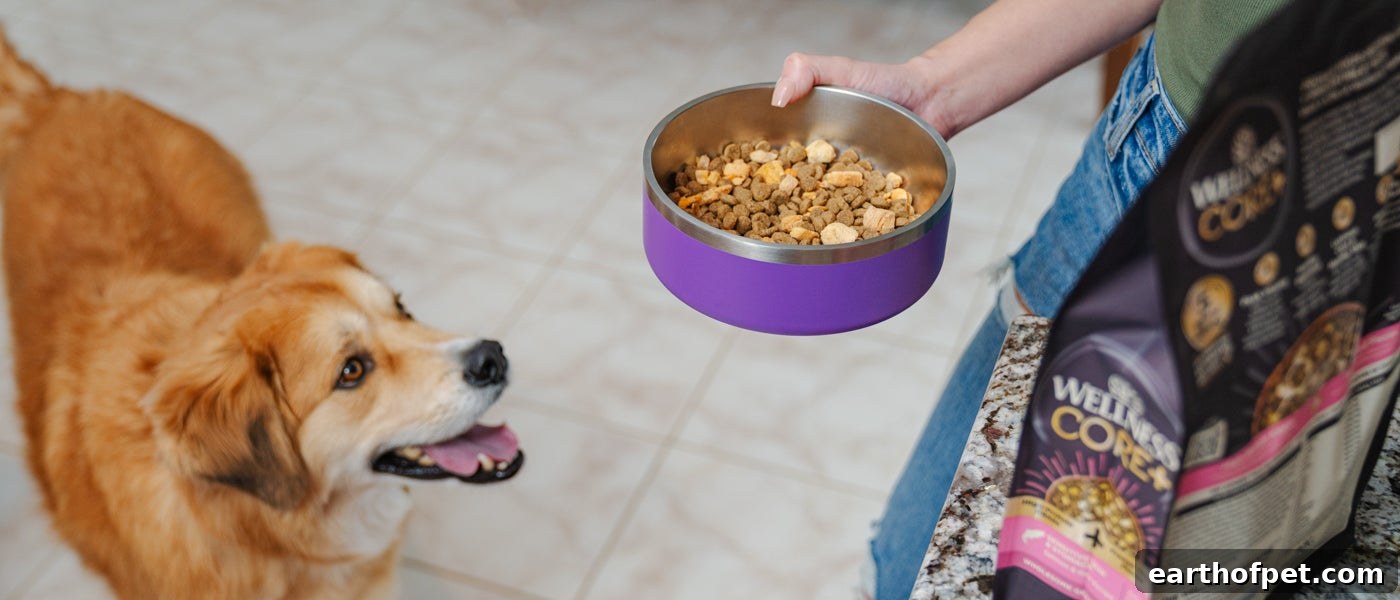
Nutrition is a cornerstone of your dog’s overall health, and choosing the right protein can make a real difference in how well your pet thrives. With so many pet food products on the market, it can be hard to decide which option best meets your dog’s needs. One protein source that’s often overlooked is lamb. Compared with more common proteins like beef and chicken, lamb offers a range of nutritional and practical benefits that can support your dog’s wellbeing.
Lamb dog food is a high-quality option that can suit many dogs’ diets—from puppies and adult dogs to seniors and animals with specific sensitivities. Below, we break down the advantages of lamb, what to look for when selecting lamb dog food, the available formats, and how lamb can be used as a treat or topper to enhance mealtime.
1. Nutritional Offerings
Lamb is a rich source of complete protein, which supplies the essential amino acids dogs need for muscle development, tissue repair, immune function, and healthy hormone production. High-quality protein is important across all life stages, helping maintain lean mass and overall vitality.
In addition to protein, lamb contains beneficial fats, including omega-3 fatty acids, which support cognitive function as well as cardiovascular and nervous system health. These healthy fats also contribute to a shiny coat and healthy skin, improving both function and appearance.
Beyond protein and fats, lamb naturally provides a variety of essential nutrients such as iron, zinc, and B vitamins that support energy metabolism, red blood cell production, and immune health. Because lamb is less commonly used in mainstream pet foods, it is often recommended as an alternative protein for dogs with sensitivities to more typical options.
2. Quality and Safety Considerations
When selecting lamb dog food, the same quality standards you apply to any pet food should apply here: meat should appear as the first ingredient, and the overall ingredient list should include recognizable, high-quality components. Choose brands that are transparent about sourcing and manufacturing practices and that are willing to provide information about quality control and testing.
Look for products from companies that meet or exceed regulatory safety standards and that can provide lab testing results or ingredient sourcing details on request. Always consult your veterinarian before switching your dog’s diet—especially if your dog has a history of allergies, medical conditions, or special nutritional needs.
3. Lamb Dog Food Options & Variety
Lamb is available in many formats to suit different preferences and dietary needs. Dry kibble options often come in both traditional and grain-free recipes, which can be helpful for dogs with grain sensitivities or owners pursuing a grain-free regimen.
Wet or canned lamb formulas are a good choice for dogs that prefer softer textures or for pet owners who like to combine wet and dry foods. Specialized lamb recipes can address specific health concerns such as digestive support or sensitivities, and lamb is frequently included in limited-ingredient diets that aim to minimize potential allergens.
Manufacturers may also blend lamb with other proteins like beef or poultry to create unique flavor profiles and balanced nutrient mixes. Formulas tailored to breed size or life stage—such as kibble designed for small breeds or nutrient-dense options for puppies—may incorporate lamb to meet those specific requirements. Overall, lamb is a versatile protein that can be used across life stages when offered in age-appropriate formulas.
4. Treats, Toppers, and Mealtime Variety
Lamb is not only suitable for complete diets but also makes an attractive treat or meal topper. Lamb-based treats—such as jerky bites or soft training treats—are useful for training sessions and reward-based reinforcement while still contributing beneficial nutrients.
Food toppers and mixers featuring lamb can boost palatability and add extra protein when needed, especially after high-activity days or during recovery. Toppers come in different forms, from gravies to canned mixers, and can entice picky eaters or help transition dogs to a new diet while maintaining balanced nutrition.
Using lamb strategically—whether as the primary protein in your dog’s food, a complementary ingredient, or an occasional treat—can help diversify their diet, provide essential nutrients, and keep mealtimes interesting.
In summary, lamb dog food is a valuable option for many pet owners. It offers quality protein, supportive fats, and a range of essential nutrients, while also serving as a workable alternative for dogs with certain sensitivities. When choosing lamb-based products, prioritize reputable brands, clear ingredient lists, and veterinary guidance to ensure the best outcome for your dog’s health and happiness.