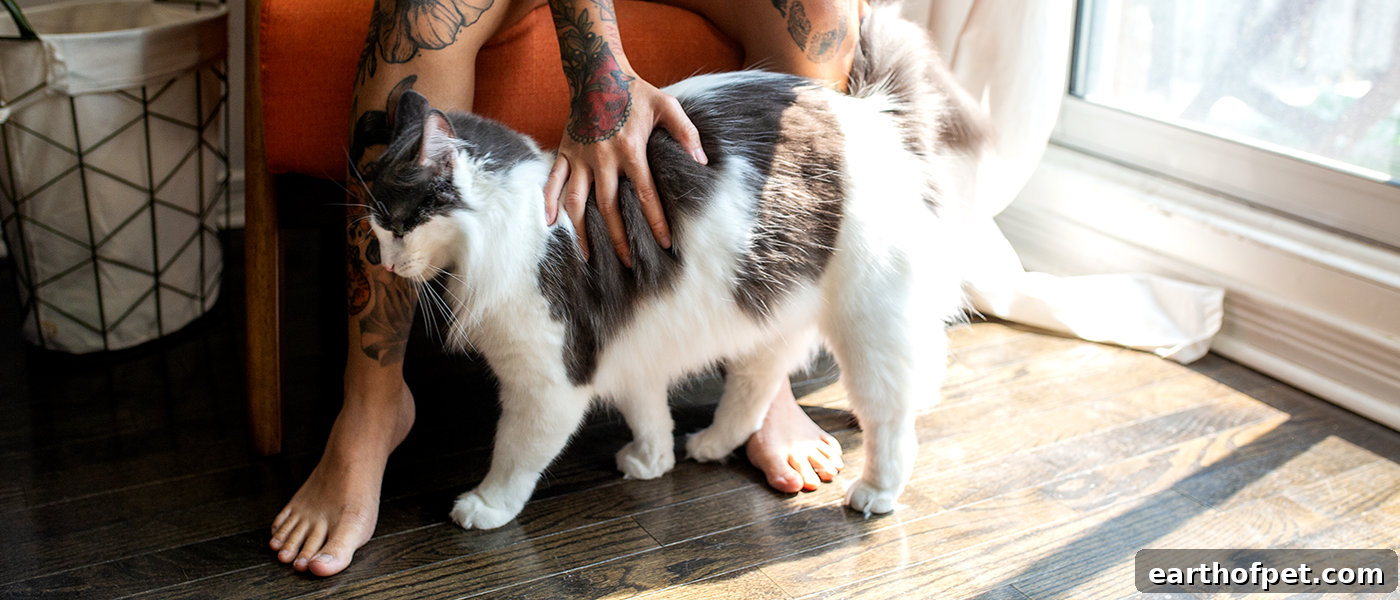
Many people assume cats and dogs are natural enemies thanks to cartoons, but in reality many dog breeds live harmoniously with feline housemates. If you’re a cat owner thinking about adding a dog to your household—or a dog owner considering bringing a cat home—this guide outlines dog breeds that typically do well with cats and offers practical tips for creating a peaceful multi-pet home.
1. Golden Retriever
Golden Retrievers are famously gentle, social, and patient. Their friendly temperament and eagerness to please make them great companions for cats. Goldens enjoy playtime and exercise but also value cuddles and quiet companionship, which helps them adapt to the routines of a cat-friendly household. With appropriate introductions and supervision, a Golden Retriever often forms warm bonds with feline family members.
2. Labrador Retriever
Labrador Retrievers share many personality traits with Goldens: playful, affectionate, and easygoing. Labs are intelligent and sociable, and they generally accept other pets—cats included—into their social circle. When their energy is channeled through regular walks and play, Labs tend to be calm at home and can coexist very well with cats.
3. Beagle
Beagles are merry, curious, and used to working in packs, so they often adapt well to multi-species households. Their smaller size and friendly disposition reduce the chance of intimidating a cat, and their social nature encourages group living. With consistent training and positive socialization, many Beagles develop tolerant, even affectionate, relationships with cats.
4. Cavalier King Charles Spaniel
Cavalier King Charles Spaniels are small, affectionate lap dogs that typically get along with people and other animals. Their calm, companionable nature makes them ideal for homes where both cats and dogs enjoy snuggling and quiet time. Cavaliers often appreciate a relaxed routine that suits a cat’s napping schedule.
5. Maltese
Maltese dogs are tiny, gentle, and well-suited to living alongside cats. Their size is similar to many cats, which reduces the likelihood of accidental rough play. Maltese are content to relax indoors and often enjoy shared lap time with feline companions, making them an excellent choice for households where close, calm interaction is desired.
6. Basset Hound
Basset Hounds are laid-back, slow-moving dogs with a mellow temperament. Their steady, unflappable demeanor tends not to provoke nervous or skittish cats. Bassets prefer a relaxed household and usually welcome other calm pets into their “pack” without much fuss.
7. Pug
Pugs are sociable, easygoing, and compact—traits that often translate into peaceful cohabitation with cats. Pugs usually lack a strong prey drive for chasing small animals and are more interested in companionship than in high-intensity play. Their playful yet gentle approach makes them good partners for feline housemates.
8. Choosing the Right Dog and Preparing Your Home
Breed is only one factor in whether a dog and cat will get along. Individual temperament, age, prior socialization, and training matter much more than breed alone. When choosing a dog to live with a cat, look for animals described as calm, friendly, and tolerant. Rescue organizations and breeders can help match temperaments. Prepare a home that gives each pet its own safe spaces—high perches or separate rooms for the cat and cozy beds or gated areas for the dog—so both can retreat when needed.
9. Tips for Introducing Dogs and Cats
Introduce them gradually and deliberately. Start with scent swapping—exchange bedding so each animal can learn the other’s smell—then use controlled visual introductions through a baby gate or cracked door. Keep initial meetings short and positive, reward calm behavior with treats, and never force close contact. Supervise interactions until you are confident both animals are relaxed. Consistent training, patience, and positive reinforcement go a long way toward building a lasting friendship.
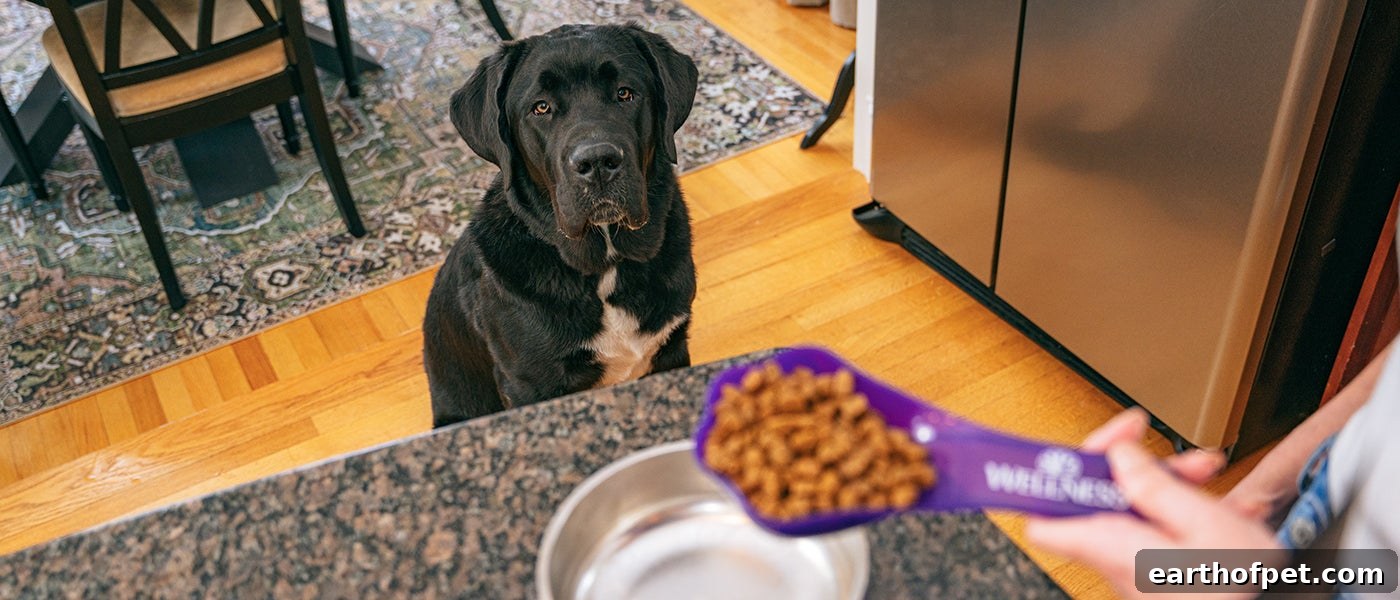
Knowing which dog breeds tend to do well with cats and following careful introduction steps can help you create a harmonious multi-pet home. Another important way to support your pets’ health and happiness is feeding high-quality pet food, such as Wellness Pet Food, and maintaining regular veterinary care. With the right preparation and care, dogs and cats can share homes, routines, and affection for many years.