Ah, the realities of dog ownership: warm morning walks, apologizing when your dog barks at the neighbor’s yard, and the not-so-glamorous job of dental care. Few owners look forward to brushing their dog’s teeth, and many skip routine care altogether. Yet dental health is a vital part of your dog’s overall well-being. Good oral hygiene prevents pain, infection, and more serious health problems that can affect the heart, liver, and kidneys. That’s why regular brushing, dental chew toys, and professional cleanings should all be part of your dog dental care plan.
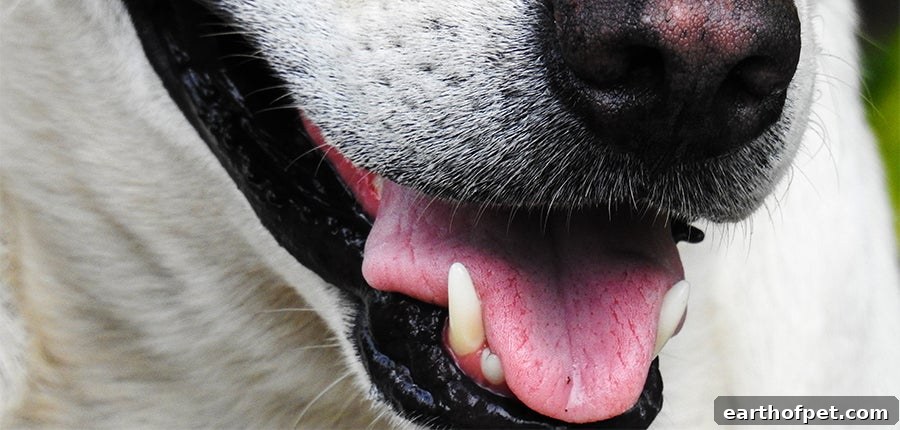
Your dog’s oral health affects much more than fresh breath. Left unchecked, plaque and tartar can lead to periodontal disease, tooth loss, and infections that spread to other organs. Combining at-home care—like brushing, dental chews, and tooth-friendly treats—with veterinary cleanings is the best way to protect your pet’s health and reduce the need for costly procedures later on.
What Is the Cost of a Dog Teeth Cleaning?
Typical dog dental cleaning costs range from about $150 to $500 without extractions. That range exists because many factors influence the price, including:
- Your dog’s weight
Larger dogs need higher doses of anesthesia and other medications, which increases the overall cost. - Your dog’s age
Older dogs often require more extensive pre-anesthetic testing or bloodwork to ensure they can safely undergo sedation, adding to the expense. - The extent of dental disease
If the veterinarian discovers severe decay, infection, or loose teeth once tartar is removed, extractions or additional treatments may be necessary. Those procedures increase the final bill and can sometimes be costly. - Medications
Post-procedure prescriptions for antibiotics, pain relief, or anti-inflammatories will add to the total cost.
Dog Tooth Extraction Cost
If teeth must be extracted, prices depend on the tooth’s position and the complexity of the extraction. Separate charges for extractions can push costs above $800 per tooth in complicated cases. It’s reasonable to request an estimate and to ask your veterinarian to contact you before performing any additional procedures beyond the basic cleaning.
What Happens During a Dog Dental Cleaning?
Exam, X-Rays and Bloodwork
A professional dog dental cleaning usually begins with a thorough examination and dental X-rays. X-rays reveal damage below the gum line that isn’t visible on the surface. Because cleanings and extractions require sedation or general anesthesia, most veterinarians perform pre-anesthetic bloodwork to check organ function and reduce the risk of complications. Follow your vet’s instructions on fasting before anesthesia; this is an important safety step.
The Cleaning Process
Once your dog is cleared for anesthesia and sedated, a trained technician removes large pieces of tartar and inspects each tooth. Any diseased or damaged teeth are identified and a treatment plan is made—this may include extractions if teeth are beyond repair. The next stage is plaque removal, often performed with an ultrasonic scaler that breaks up and removes plaque and tartar above and below the gum line. Removing this bacterial buildup is critical because infections that start in the mouth can spread through the bloodstream to vital organs.
After scaling, dental probes measure the depth of pockets between teeth and gums to evaluate periodontal disease. The teeth are then polished to smooth the surfaces and treated with a fluoride or similar protective application to help prevent future plaque accumulation. In some practices, a dental sealant may be applied to protect the enamel longer-term. When the procedure is complete, your dog recovers from anesthesia under supervision and will need a calm, quiet period at home afterward.
How Often Should Your Dog Have a Dental Cleaning?
How frequently your dog needs professional cleanings depends on your at-home dental routine and your pet’s predisposition to dental disease. Generally, veterinarians recommend a dental cleaning every six months to a year for many dogs. However, if you consistently brush your dog’s teeth, provide dental chews and toys designed to reduce plaque, and monitor oral health closely, you may be able to extend the time between professional cleanings.
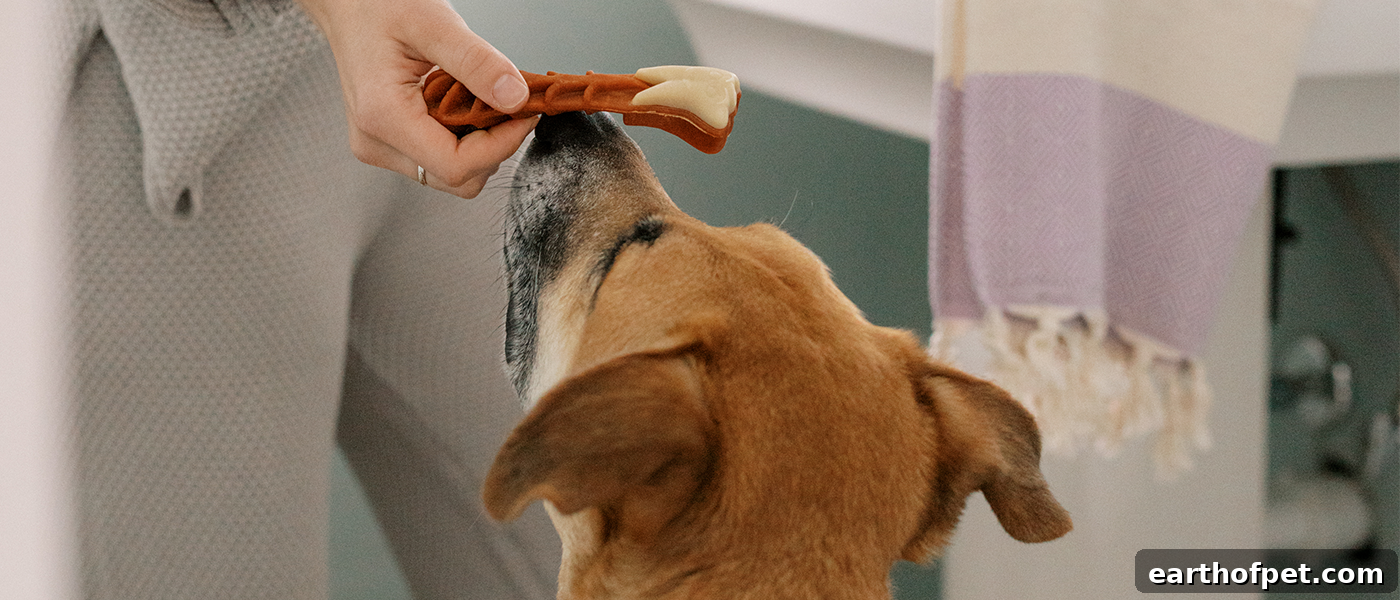
At-home care is essential: brushing at least every other day, offering appropriate chews, and using vet-recommended dental products can all reduce plaque and tartar buildup. These habits support healthier teeth and gums, helping to lower the frequency and cost of professional cleanings.
Maintaining your dog’s dental health combines regular home care with periodic veterinary cleanings. Dental chews and specially designed treats can make daily oral care easier and more enjoyable for your pet, while reducing the risk of painful dental disease and expensive procedures.