How to Reward Your Dog
Pavlov’s classic experiments remind us that dogs respond strongly to positive reinforcement. Positive reinforcement encourages dogs to repeat behaviors that earn a reward, teaching them which actions you want to see more often. Trainers and behaviorists favor this approach because it builds reliable, cooperative responses without fear or punishment. Below we explain how to reward your dog effectively—what to use, when and where to reward, and how to reshape unwanted behaviors using rewards.
Why Timing and Location Matter
When, where, and how you deliver a reward is as important as the reward itself. For dogs, clear, immediate feedback creates the strongest associations. If your dog sits on command while on a walk and you want to reinforce that behavior, give the reward right then and there. Delaying the reward until you get home makes it unclear which behavior you are reinforcing—the walk, the sitting, or something else.
Delivering the reward at the location where the behavior occurred also helps your dog connect the action to the outcome. Reward at the moment and place of the desired behavior so your dog understands that “this action in this spot” earned the positive result.
Be careful: rewards can unintentionally reinforce unwanted behavior. If a dog barks and then gets a treat for sitting, the dog may learn that barking leads to a reward followed by a sit. To avoid accidentally rewarding the wrong action, watch the sequence of events and reward only the exact behavior you want to encourage.
Reshaping Undesirable Behavior with Rewards
Rewards can also help change behaviors you want to reduce. For example, a dog that guards food or becomes anxious around other dogs may have learned scarcity or fear responses in the past. Gradual exposure combined with positive reinforcement—offering treats and calm attention when the dog remains relaxed near food or other animals—can teach a new, safer response. Over time, consistent positive experiences build confidence and replace the old, undesirable reaction.
Using Treats Effectively
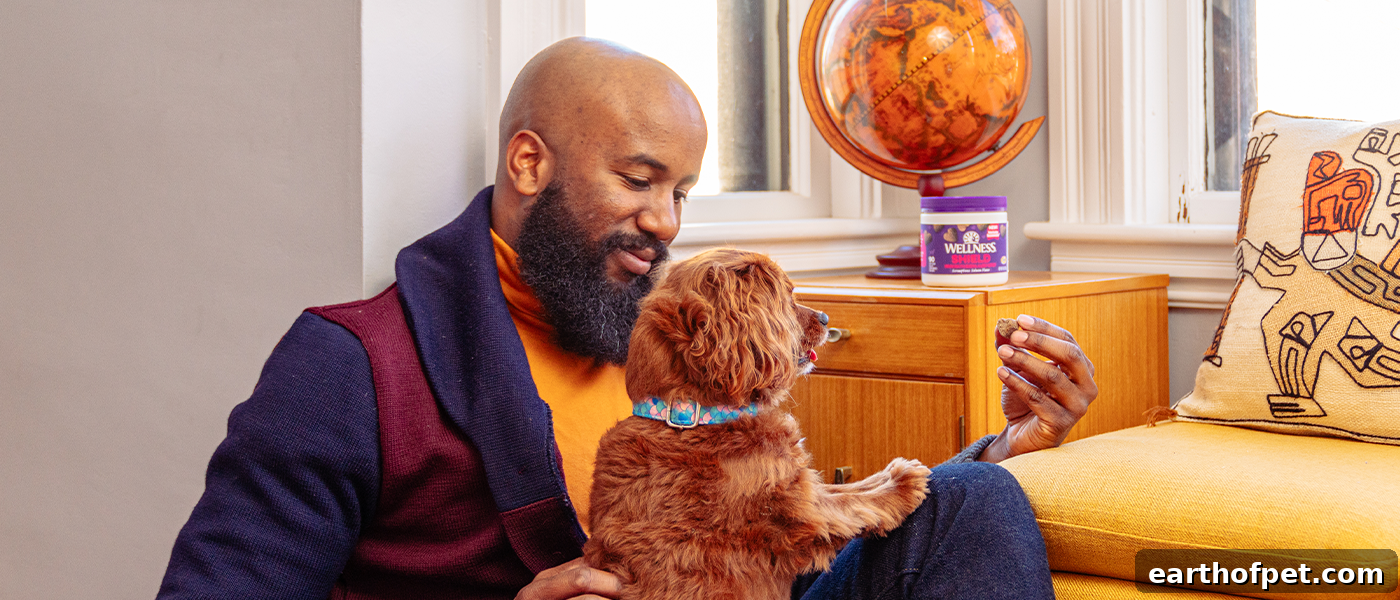
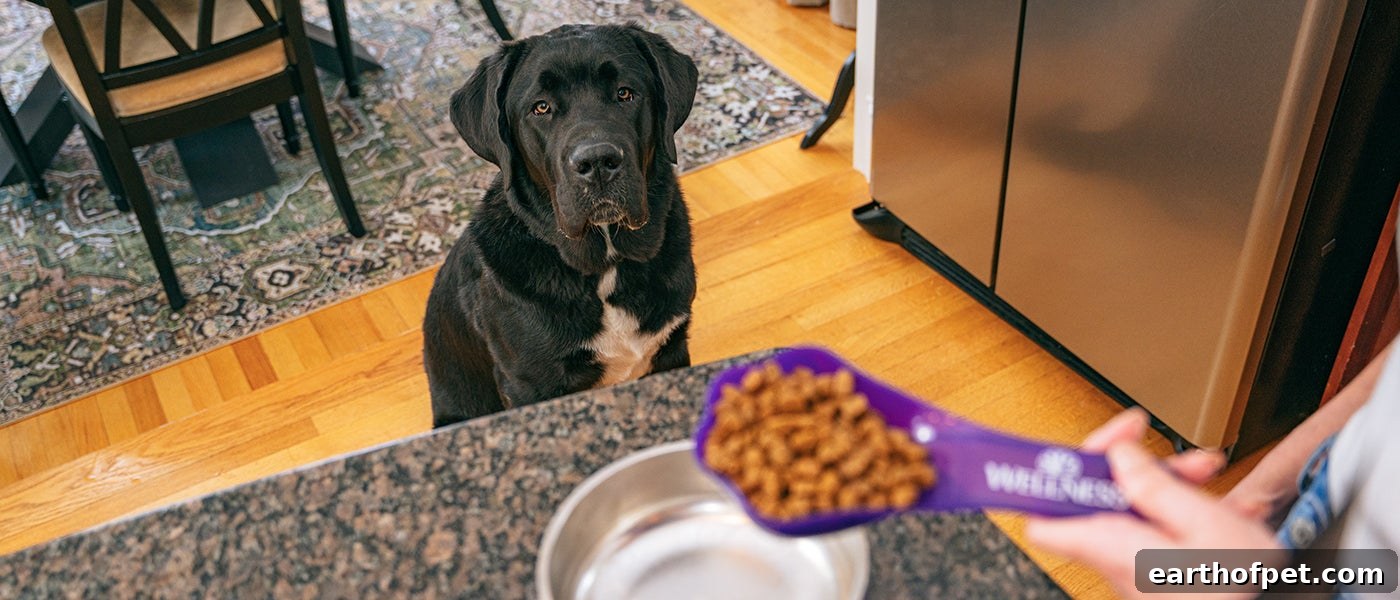
Treats are one of the most reliable tools for training because they are immediate, highly motivating for most dogs, and easy to carry and distribute. For training success:
- Use small, bite-sized pieces so rewards are quick to consume and you can reward frequently without overfeeding.
- Vary flavors and textures to keep the dog interested—different options can increase motivation during a longer session.
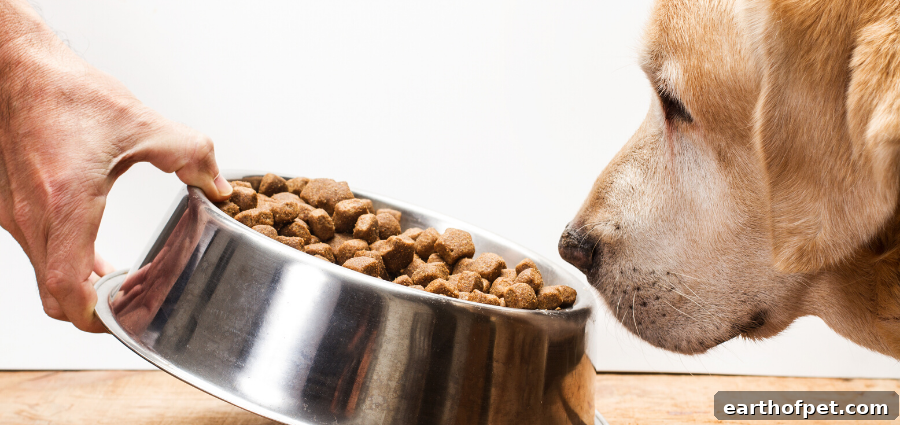
- Choose healthy treats appropriate for your dog’s age, size, and dietary needs to avoid excess calories or digestive upset.
Experts recommend selecting treats your dog truly enjoys and keeping a variety on hand to prevent boredom. Well-timed, desirable treats create a fast link between the command and the positive outcome, strengthening learning.
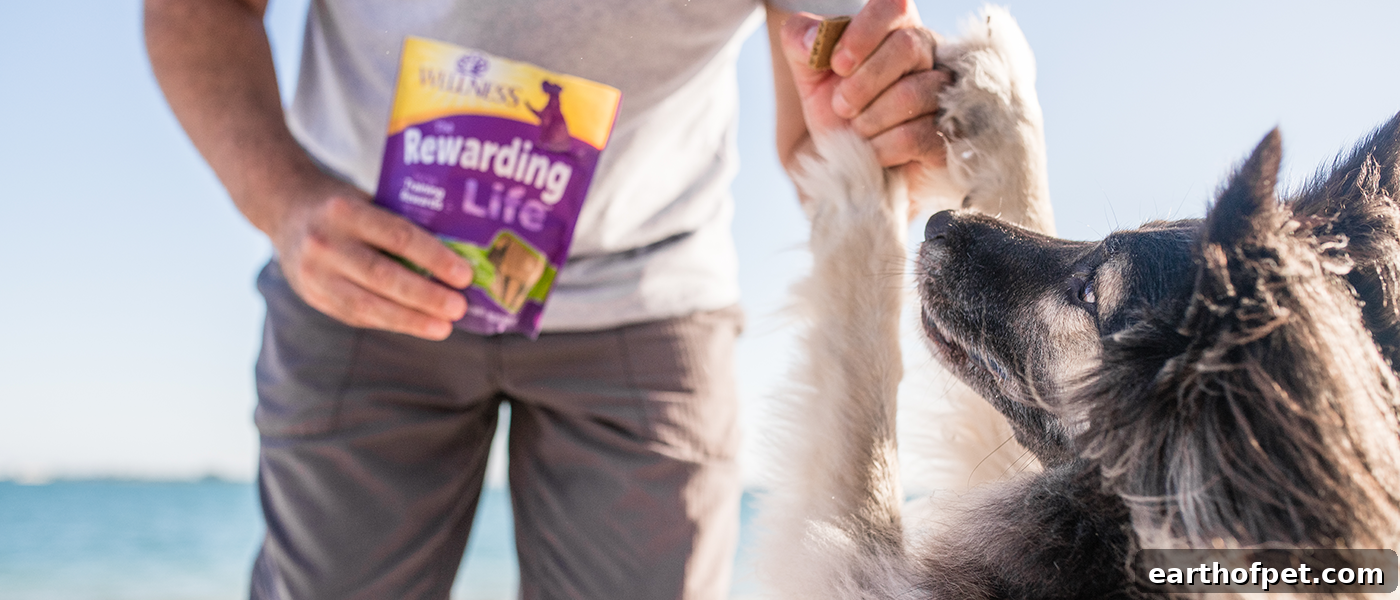
Some commercially available treats are formulated specifically for training: they are small, tasty, and low in calories. When using commercial treats, read labels and portion them appropriately to maintain a balanced daily intake.
Non-Food Rewards That Work
As training progresses, you’ll want to reduce reliance on food so your dog will obey under different conditions. Many dogs respond strongly to non-food rewards that match their preferences:
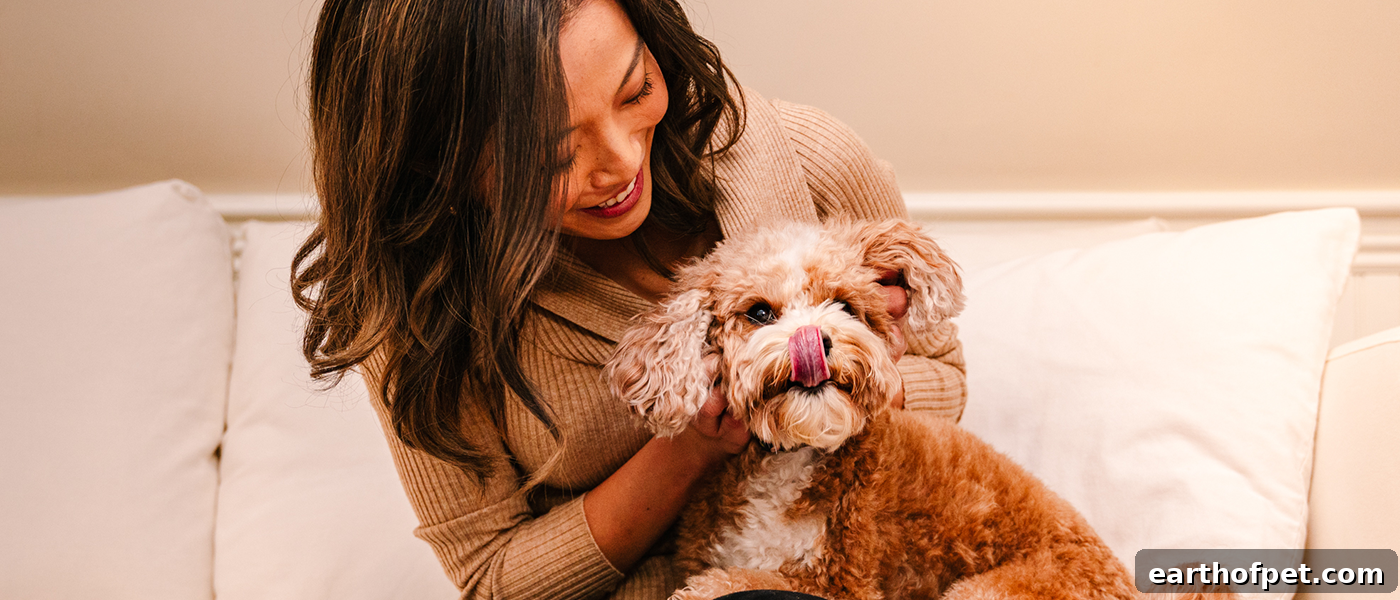
- Physical affection—petting, a scratch behind the ears, or a calm cuddle—can be powerful for dogs that love touch.
- Verbal praise and an upbeat tone reinforce good behavior for dogs that seek social approval.
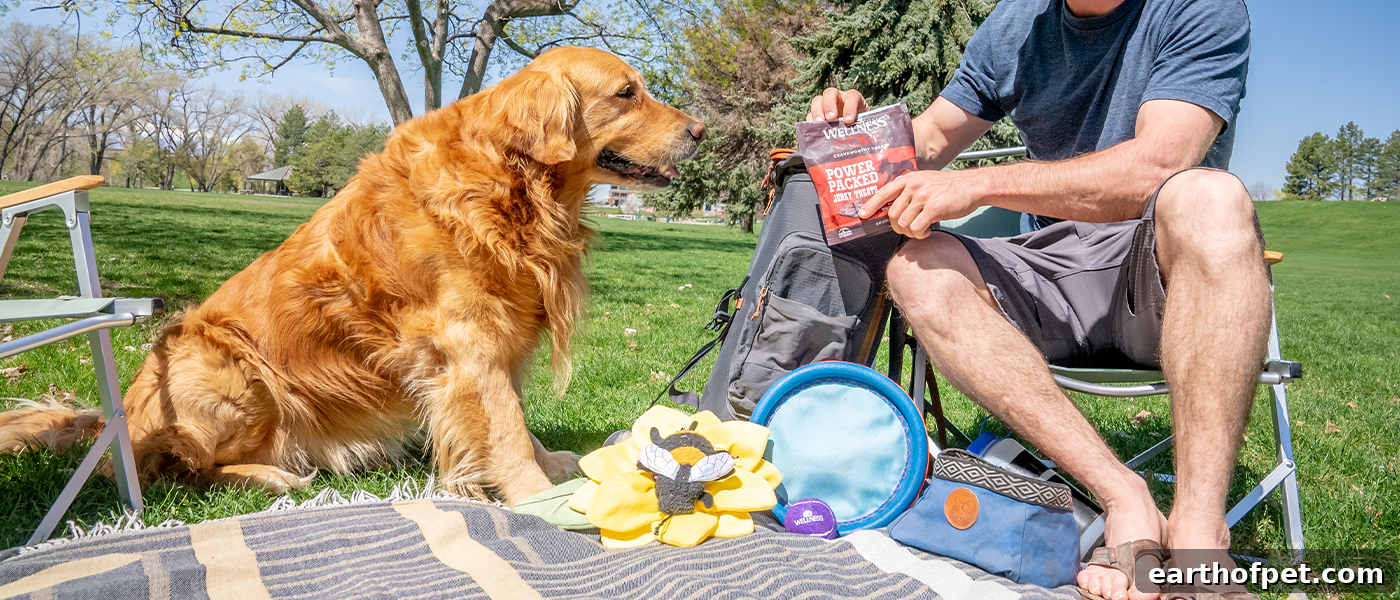
- Playtime—throwing a ball, tug, or a short game—works well for dogs motivated by activity and interaction.
- Access to desired resources (a favorite toy, a chance to go outside, or a walk) can be used selectively as a reward for reliable behavior.
Non-food rewards must be immediate and meaningful to the dog. Reward right after the behavior so the dog links the action with the outcome. Mix food and non-food rewards during training to gradually shift towards rewards that work in everyday life.
Consistency, clarity, and timing are the cornerstones of effective reward-based training. Whether you use treats, praise, play, or a combination, providing predictable, immediate positive consequences helps dogs of any age learn reliable, calm behaviors. With patience and a well-thought-out reward system, you can teach new skills, reshape old habits, and strengthen the bond between you and your dog.
We at Wellness Pet Food support positive reinforcement training and offer a variety of healthy, training-friendly treats designed to help pet parents reward good behavior safely and effectively.