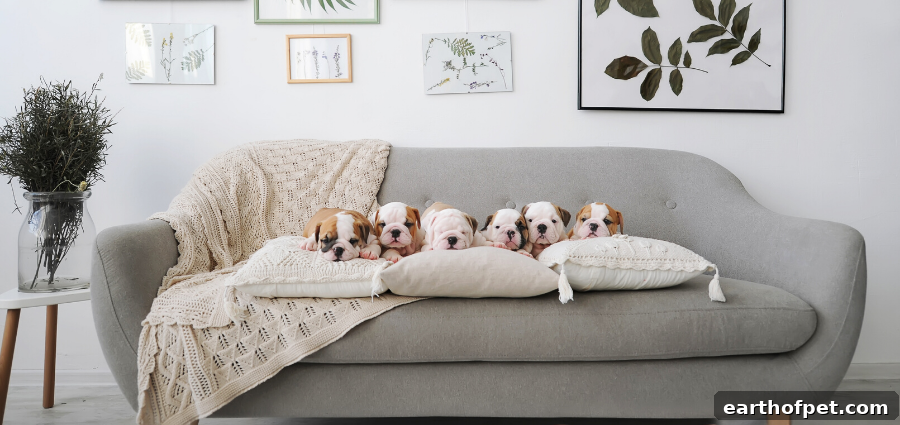
Bringing home a new puppy is exciting, joyful—and sometimes a little overwhelming. With the right preparation and supplies, you’ll set your puppy up for a smooth transition into your family. Below is a concise new puppy checklist of 20 essential items to buy before your puppy arrives, along with clear reasons why each item matters and tips for choosing the best options.
New Puppy Checklist: What To Buy Before You Bring Them Home
- Quality Puppy Food
- Puppy Treats
- Identification
- Water & Food Bowls
- Puppy Pads
- Leash
- Crate
- Collar
- Bedding
- Shampoo
- Grooming Brush
- Ear Cleaning Solution
- Teeth Cleaning Supplies
- Dog Nail Trimmer
- Puppy Gates
- Puppy Toys
- Flea & Tick Preventative
- Enzyme Cleaner
- Anti-Chew Spray
- A Veterinarian
Read on to learn why each item belongs on your new puppy checklist and how to choose the best versions for your growing companion.
1. Quality Puppy Food
Select a high-quality puppy food formulated for your puppy’s life stage and expected adult size. Puppy formulas contain the calories, protein and essential nutrients needed for growth and development. If you plan to transition foods, get a small bag of the food the breeder or shelter used so the switch at home is gradual and less stressful for your puppy’s stomach.
2. Puppy Treats
Healthy, soft treats are invaluable for training and rewarding good behavior. Choose treats that are appropriately sized for a puppy and free from excessive fillers or artificial ingredients. Treats that can be broken into smaller pieces work well for frequent training sessions.
3. Identification
Prepare an ID tag with your puppy’s name and your up-to-date contact information in case they get lost. Discuss microchipping with your veterinarian—microchips provide a permanent form of identification that can help reunite lost pets with their families.
4. Water & Food Bowls
Durable stainless steel bowls are a hygienic choice because they are easy to clean and don’t harbor bacteria like some plastics can. Choose a size appropriate to your puppy’s current size and a non-slip base to prevent spills during mealtime.
5. Puppy Pads
Puppy pads are useful during house-training, especially for very young puppies or for indoor potty areas in apartments. Look for highly absorbent pads with leak-proof backing and consider reusable options if you prefer eco-friendly choices.
6. Leash
Pick a sturdy, comfortable leash for walks and basic training. A standard six-foot leash gives puppies freedom to explore while still allowing you control. For very small puppies, a lightweight leash is more comfortable and safer.
7. Crate
A properly sized crate provides a safe, den-like space for your puppy and is an excellent tool for crate training and secure transport. Choose a crate that allows your puppy to stand, turn, and lie down comfortably; you can use dividers as they grow to maintain an appropriate space.
8. Collar
Choose an adjustable, soft collar that fits comfortably without restricting movement. Check the fit regularly as your puppy grows—two fingers should fit between the collar and their neck. Consider a breakaway collar for very small puppies for safety.
9. Bedding
Soft, washable bedding gives your puppy a cozy place to rest. Select bedding with removable, machine-washable covers to keep odors and accidents under control. Avoid bedding with loose stuffing for teething puppies who tend to chew.
10. Shampoo
Use a gentle, puppy-formulated shampoo to keep skin and coat healthy. Puppies have sensitive skin, so mild, fragrance-free options or products designed specifically for puppies are best. Always follow your veterinarian’s guidance about bathing frequency.
11. Grooming Brush
A soft-bristled brush or a suitable comb will help keep your puppy’s coat clean and reduce tangles. Regular brushing also promotes bonding, removes loose hair, and helps you monitor skin health.
12. Ear Cleaning Solution
Choose a vet-recommended ear cleaner to gently maintain ear hygiene. Regular checks and cleanings (as advised by your vet) can help prevent infections, particularly in breeds prone to ear issues.
13. Teeth Cleaning Supplies
Introduce dog-safe toothpaste and a soft toothbrush early so your puppy becomes comfortable with oral care. Regular tooth brushing supports dental health and helps prevent tartar buildup as your dog matures.
14. Dog Nail Trimmer
Puppies’ nails grow quickly and can become sharp. A good-quality nail trimmer designed for dogs will make regular trims safer and more comfortable. If you’re unsure how to trim nails safely, ask your vet or a professional groomer for a demonstration.
15. Puppy Gates
Puppy gates or playpens let you limit your puppy’s access to parts of the home, creating a safe area for play and rest when you can’t supervise closely. They’re useful for gradual introduction to the household and protecting both your puppy and your belongings.
16. Puppy Toys
Provide a variety of toys for chewing, teething, and mental stimulation. Interactive toys and puzzle feeders encourage play and learning, while durable chew toys help soothe teething discomfort and redirect chewing away from furniture.
17. Flea & Tick Preventative
Protect your puppy from parasites with a veterinarian-recommended flea and tick preventative appropriate for their age and weight. Discuss timing and product options with your vet so you begin protection safely and effectively.
18. Enzyme Cleaner
Accidents are part of house-training. Enzyme-based cleaners remove urine and fecal odors and stains at the source, reducing the chance your puppy will return to the same spot to eliminate again.
19. Anti-Chew Spray
Use safe, bitter-tasting deterrent sprays on items you can’t put away to discourage chewing. These sprays are a helpful training aid, but be sure to combine them with supervision, proper chew toys, and consistent training.
20. A Veterinarian
Establish care with a trusted veterinarian before or soon after bringing your puppy home. Your vet will provide vaccinations, parasite prevention advice, microchipping guidance, and routine care recommendations to keep your puppy healthy as they grow.
Preparing this new puppy checklist will help your home feel ready and welcoming when your puppy arrives. Focus on safe, comfortable supplies and a consistent routine—these are the foundation of good health, training and a lifelong bond between you and your new companion.