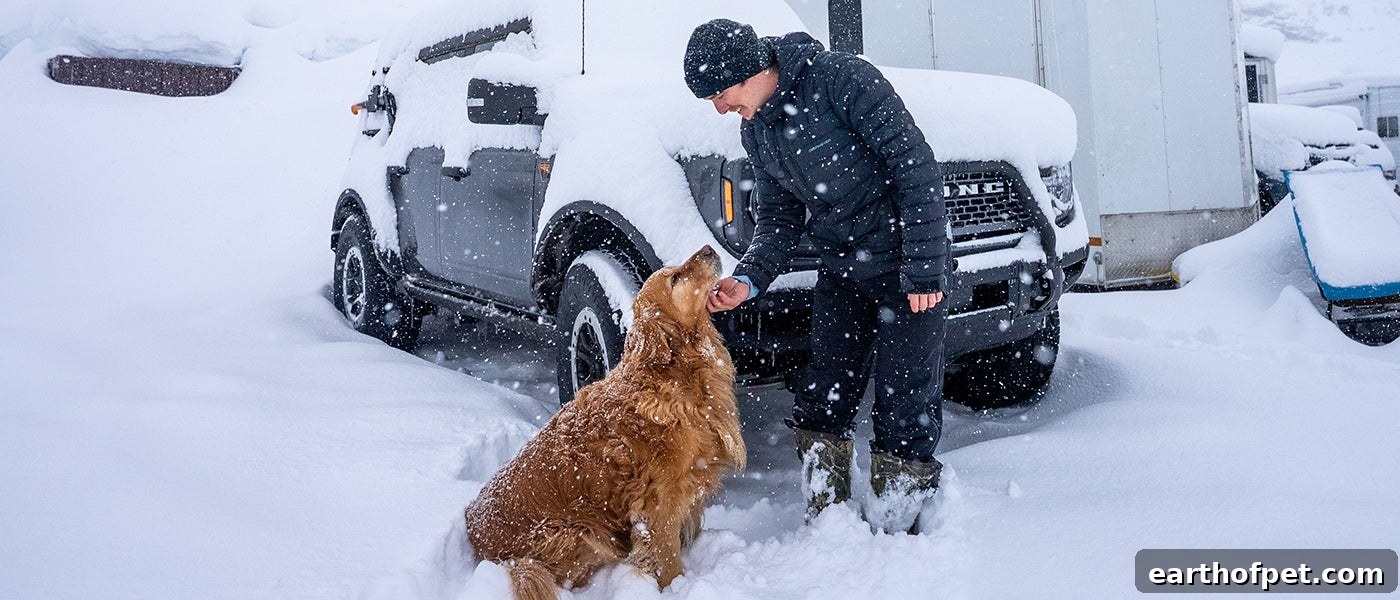
When Jack Frost starts nipping at noses, it’s not just people who feel the chill—pets do too. If your dog shivers on walks or your cat hesitates to step into the snow, winter becomes a health and comfort concern, not just a style moment. Fortunately, the right winter gear for dogs (and even for cats) keeps them warm, protected, and comfortable through cold weather adventures.
This guide covers essential winter gear for dogs—dog winter coats, boots, heated pet beds, rainproof jackets, and paw protection—so you can keep your four-legged companion safe and cozy when temperatures drop.
Why Winter Gear for Dogs Matters
Many owners wonder whether their pet really needs outerwear. The short answer is: often, yes. Cold temperatures increase the risk of discomfort, frostbite, and hypothermia, especially for small breeds, older animals, those with short or thin fur, and pets with certain health conditions. Investing in a quality dog cold weather jacket, protective booties, and a warm sleeping spot can prevent injury and make outdoor time enjoyable.
Beyond warmth, proper winter gear shields paws from ice, de-icing salt, and harsh surfaces. Think of coats and booties as practical armor that reduces exposure to common winter hazards and keeps your pet active and healthy.
Top Winter Gear for Dogs
1. Winter Vests and Cold Weather Coats
A dog winter coat combines warmth, wind resistance, and often water repellency. Look for options with insulating layers, adjustable fastenings for a secure fit, and reflective accents for low-light visibility. Waterproof or water-resistant shells are ideal for snow, sleet, and wet conditions, helping keep the dog dry and reducing the chance of hypothermia.
When choosing a coat, measure your dog’s length and chest girth to ensure proper coverage—especially important for breeds with short legs or short fur that lose heat quickly.
2. Dog Boots and Paw Protection
Paw protection is essential in winter. Snow and ice can form painful clumps between toes, and salt or chemical de-icers can irritate pads and cause burns. Dog boots provide a protective barrier and improve traction on slippery surfaces.
- Choose booties with secure closures and grippy soles to prevent slipping.
- Start training sessions indoors so your pet becomes comfortable wearing boots before venturing outside.
- For short outings on clear sidewalks, a paw balm or wax can help protect pads from salt and cold.
3. Heated Pet Beds and Pads
Cold floors and drafty rooms can make resting uncomfortable. Heated pet beds and self-warming pads offer a warm retreat—especially beneficial for senior dogs, small breeds, or animals with arthritis. Many self-warming beds capture your pet’s body heat, while electric heated pads supply consistent warmth.
- Heated indoor beds: provide steady warmth and are ideal for pets that seek extra heat.
- Self-warming beds: use reflective materials to retain body heat without electricity.
- Heated blankets and portable pads: convenient for travel or car rides.
Safety tip: Choose chew-resistant, certified products, allow pets to move off if they get too warm, supervise early use, keep the bed dry, inspect for damage regularly, and unplug when not supervised. Follow the manufacturer’s instructions to avoid overheating and electrical hazards.
4. Rain Gear and Waterproof Jackets
Winter often brings rain, sleet, and slush as well as snow. A lightweight, waterproof dog raincoat with a hood and reflective trim keeps your pet dry and visible on wet walks. Keeping the coat clean and dry helps prevent damp-related skin irritation and reduces the chance of catching a chill.
For very wet conditions, combine a waterproof coat with paw protection or a paw balm to minimize irritation from moisture and road salts.
5. Small Dog Winter Clothes
Small breeds and toy dogs commonly need extra insulation. Sweaters, snug vests, and thermal jackets designed for small sizes help retain body heat without restricting movement. Snow boots sized for small paws ensure protection from cold and salt while preserving mobility.
Cats can also wear light sweaters or non-restrictive jackets if introduced gradually and if they tolerate clothing; choose soft, breathable fabrics and avoid anything that limits movement or causes stress.
Bonus Winter Accessories
- Reflective gear: Reflective collars, vests, or leash attachments improve visibility during early-morning or evening walks.
- Paw protection: Apply paw balm before and after walks to soothe and protect pads from salt and cooling damage.
- Meal toppers and nutrition: High-quality, balanced food supports skin and coat health through the season; consider complementary toppers for added nutrients when needed.
Practical Tips for Winter Walks
- Layer up: Combine a warm coat with booties for cold and wet days.
- Keep walks short: Limit exposure in very low temperatures and take breaks indoors when needed.
- Inspect paws: Check for ice buildup, cuts, or irritation after each outing.
- Hydration matters: Pets still need fresh water in cold weather; colder air can be dehydrating.
Seasonal Grooming
Cold air and indoor heating can dry out skin. Regular brushing helps distribute natural oils and prevents mats that reduce insulation. Trim long fur around the paw pads to prevent ice clumps, and moisturize with veterinarian-recommended products if dryness appears. Maintain a balanced diet to support a healthy coat and skin throughout winter.
Wrapping Up
Winter doesn’t have to mean discomfort for your dog or cat. With appropriate winter gear—insulated coats, paw protection, waterproof outerwear, and a warm bed—your pet can stay safe, healthy, and comfortable through chilly months. Match layers and accessories to your pet’s breed, size, age, and tolerance for cold, and always prioritize safety when using heated products or introducing new items.
Preparedness and a little planning make wintertime enjoyable for both you and your pet. Bundle up, choose protective, well-fitting gear, and enjoy the season together with confidence.