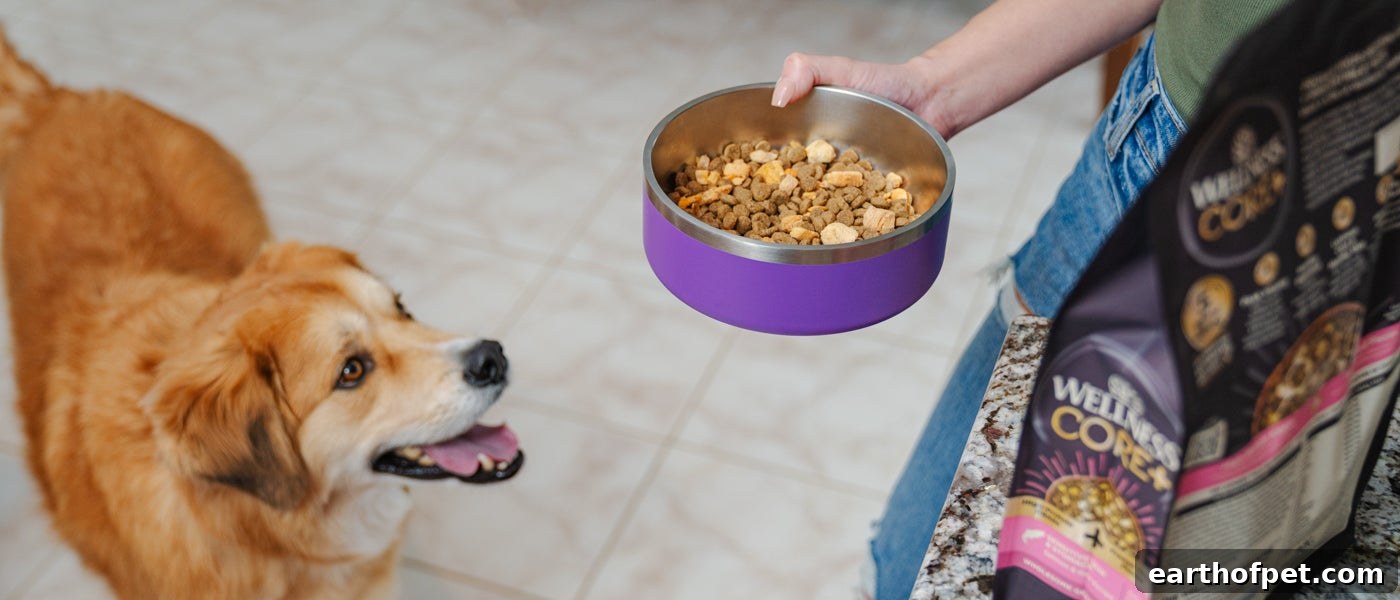
As a dog owner, you want your pet to get the nutrition needed for a long, healthy life. With so many types of dry dog food on the market, choosing the best option can feel overwhelming. This guide helps you narrow the choices by explaining what to look for in high-quality dry dog food and how to select the right formula for your dog’s life stage, size, and health needs.
What Makes a Great Dry Dog Food?
There’s no single “best” kibble for every dog. Each pet has individual dietary requirements based on age, size, activity level, and health conditions. When comparing dry dog foods, focus on three core criteria: the brand’s trustworthiness, the quality of ingredients, and whether the formulas are supported by nutritional science and real-world outcomes.
Brand Trust
A reliable brand demonstrates commitment to nutrition and food safety beyond the minimum regulatory requirements. Consider these indicators of a trustworthy manufacturer:
- Years of experience formulating pet nutrition
- Access to in-house veterinarians, animal nutritionists, or food scientists
- Investment in feeding trials, research, or published data showing health benefits
- Transparent nutritional information and clear ingredient lists
- Responsive consumer support and expert guidance
- Recommendations by veterinarians or independent experts
High-Quality Ingredients
Read ingredient panels carefully. A top-quality dry dog food lists a named, high-quality protein—like chicken, beef, lamb, or fish—as the first ingredient. Avoid foods that rely heavily on vague “by-products,” fillers, or artificial colors and flavors. Recognizable whole-food ingredients, balanced nutrient profiles, and minimal unnecessary additives generally point to a healthier kibble.
Backed by Science
Choose brands that design recipes based on nutritional science and can demonstrate measurable benefits for dogs. Look for formulas that address specific outcomes—such as healthy skin and coat, steady energy, dental and bone health, digestive support, and immune resilience—and for companies that communicate the science behind their recipes.
Best Dry Dog Food Options for Puppies
Puppies have distinct nutritional needs to support rapid growth and development. Puppy formulas are typically higher in calories and essential nutrients per cup than adult diets to fuel brain development, musculoskeletal growth, and immune maturation.
When selecting puppy food, prioritize nutrient-dense recipes that include DHA for brain and eye development, antioxidants and vitamins for immune support, and prebiotics or probiotics for digestive health. Kibble size matters too: smaller bites are easier for tiny mouths, while large-breed puppies benefit from formulas tailored to slow bone growth and deliver appropriate levels of calcium and phosphorus. For breed-specific guidance, choose a product formulated for toy, small, medium, or large-breed puppies as needed.
Best Dry Dog Food for Senior Dogs
Older dogs require formulas that support aging bodies and changing metabolisms. Senior dog foods often emphasize joint support, immune system maintenance, and healthy skin and coat. Ingredients such as omega fatty acids, L-carnitine for lean body mass, and targeted vitamins may help preserve mobility and overall vitality.
As activity declines with age, calorie needs can decrease, so senior diets often include options for calorie management. Conversely, very old dogs sometimes need additional calories to maintain weight and muscle condition—so monitor body condition and consult your veterinarian to adjust feeding amounts and select the right senior formula.
Best Dry Foods for Large and Small Breeds
Small Breeds
Adult small-breed dogs tend to have higher metabolic rates and burn calories faster than larger breeds. Their foods are formulated with higher energy density, adjusted fat and carbohydrate levels, and appropriately sized kibble to help with portion control and dental health. Small-breed recipes deliver concentrated nutrition in a bite-size kibble suited to smaller jaws.
Large Breeds
Large-breed dogs need diets that support bigger frames and slower metabolic rates per pound. Look for formulas that promote healthy bone and joint development, such as controlled calcium and phosphorus levels during growth and joint-supporting nutrients like glucosamine and chondroitin for adults. Kibble size should match jaw size to encourage proper chewing and reduce gulping, and calorie-control options help maintain an ideal body weight to protect joints.
Best Dry Food for Allergies and Sensitive Stomachs
Dogs with food sensitivities or digestive issues benefit from limited-ingredient diets and formulas designed to avoid common allergens. Limited-ingredient lines focus on a shorter list of recognizable proteins and carbohydrates to simplify elimination and diagnosis. Grain-free recipes are also available for pets with specific grain sensitivities, but speak with your veterinarian to determine the best approach for your dog’s condition.
Maintaining a Healthy Weight
Keeping your dog at a healthy weight supports joint health, digestion, and longevity. Weight management requires feeding fewer calories than the dog burns—through portion control, lower-calorie formulas, or increased activity. High-quality protein helps preserve lean muscle while weight loss is underway, and joint-supporting nutrients can make exercise more comfortable. Regular body condition scoring and veterinary guidance will help you choose the right weight-management strategy.
Choosing Tailored Pet Food
Selecting the right dry dog food involves matching your dog’s life stage, breed size, and health needs with a reputable brand that uses quality ingredients and relies on scientific principles. Read labels carefully, look for transparent brands that share nutritional details, and consult your veterinarian for personalized recommendations. With the right diet, you can support your dog’s skin and coat, energy levels, digestion, dental and bone health, and immune function throughout their life.