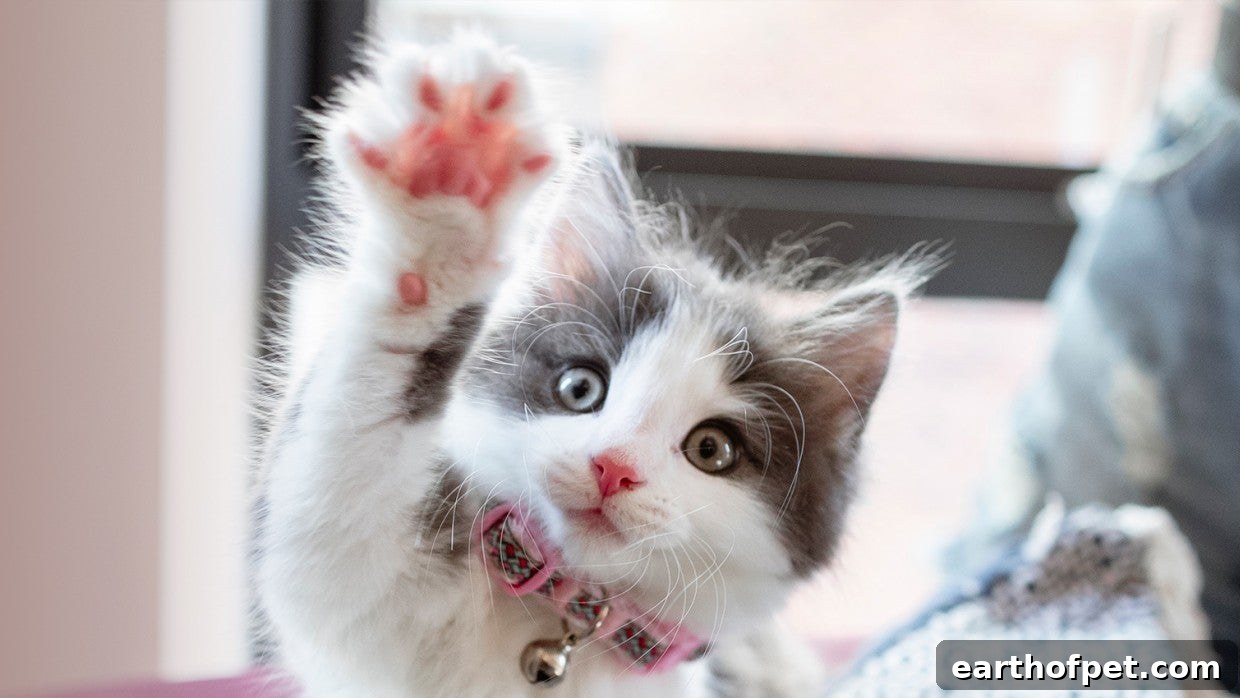
Most cats are cherished members of the household, yet their actions often leave owners puzzled. What people label as “misbehavior” is usually just a communication gap. Every action has meaning from a cat’s perspective. Below are clear, practical explanations for several common feline behaviors to help you better understand your pet.
1. Why Do Cats Hide?

Hiding doesn’t mean your cat dislikes you. Hiding provides safety, control and the ability to observe without being noticed. Small, enclosed spaces let cats feel secure, and placing their back against a solid surface helps them monitor the room without exposing their vulnerable rear. For many cats, being able to choose when to interact is essential: forcing them out of hiding often increases stress and reinforces avoidance.
How to help: offer cozy, cave-style beds or cardboard boxes with an entrance toward the room. These options let your cat stay near you while keeping a refuge at hand. Over time, the choice to engage on their terms usually encourages more social behavior.
2. Why Do Cats Show Their Belly?

When a cat lies on its back with belly exposed, it is often a sign of trust and relaxation. Unlike many dogs, most cats do not invite belly rubs; touching that area can trigger a defensive reflex that results in grabbing with claws or a quick bite. This posture can be a relaxed sleeping position or a way to cool down in a sunbeam, but it also signals vulnerability—so proceed cautiously.
Tip: respond with slow, calm movements and respect the cat’s choice. Gentle petting on the head, chin or base of the tail is usually better received than belly rubs.
3. Why Do Cats Push Things Off Tables?

Knocking objects off surfaces is not spiteful—it’s investigative behavior. Cats use their paws to test how things move before bringing their face close, and they’re naturally drawn to objects that wobble, roll or make interesting sounds. Boredom and play drive this behavior, and it can also be attention-seeking: if knocking an item off a nightstand earns them a response (even scolding), the cat learns that the action gets results.
How to manage: redirect the behavior with engaging toys, puzzle feeders or interactive play sessions. Remove tempting breakables from high surfaces and reward the cat for playing with appropriate items rather than with your possessions.
4. Why Do Cats Scratch Furniture?

Scratching is a natural, multi-purpose behavior: it removes the outer nail sheath, stretches muscles, and deposits scent and visual marks to communicate territory. Cats prefer tall, sturdy surfaces covered in materials that give good resistance—sisal or cardboard often works better than soft fabric. Many cat owners find their furniture is targeted because the cat can stretch fully, the surface is stable and the location is convenient.
Solution: provide one or more tall, stable scratching posts placed where your cat already scratches. Choose durable materials like sisal and anchor the post so it won’t wobble. Reward use with treats or praise. When the cat has a better option, most will choose it over your sofa.
5. Why Isn’t My Cat Affectionate?
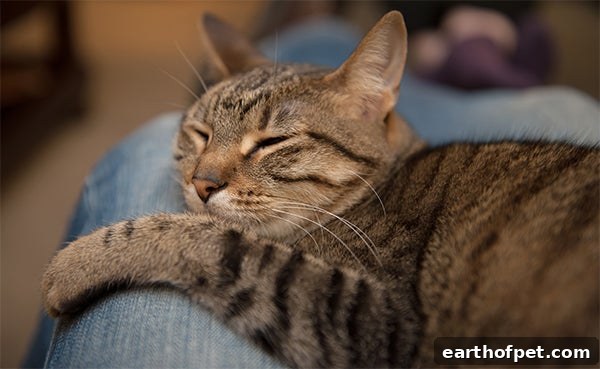
Cats are affectionate, but they often express it differently than dogs. Common signs you might miss include cheek rubbing (marking you as familiar and safe), head bunting, gentle kneading, slow blinking (a “cat kiss”), and sitting close or draping a tail over you. Licking or allogrooming mixes scents and strengthens bonds. Purring while curled up nearby is another frequent sign of contentment and attachment.
Respect individual preferences: some cats prefer brief interactions on their terms, while others seek lap time. Building trust through predictable, gentle interactions and respecting boundaries will deepen your relationship.
What Else Can I Do to Understand My Cat’s Behavior?
Learn to Think Like a Cat!
Observing your environment from your cat’s point of view makes decoding behavior much easier. Consider where they feel safe, what resources they need, and what triggers their curiosity or stress. Every action has an understandable purpose for the cat—once you recognize those motivations you can respond with better housing, enrichment and interaction.
Keep an eye on our blog for future articles and tips on understanding your feline friend. You can also sign up for our newsletter to receive insider content and special offers.