Best Puppy Food For Sensitive Stomach
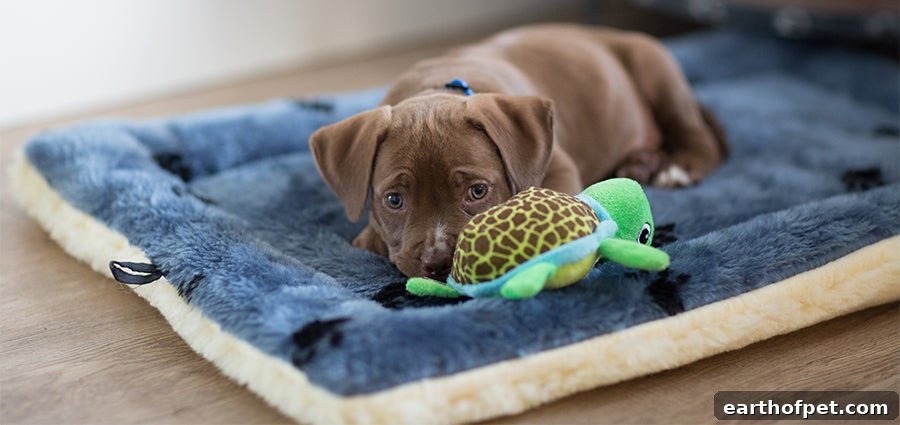
Puppies grow very quickly, developing muscles, bones, organs and key systems like immunity and brain function. During this rapid growth they also encounter many new foods and experiences. It’s common for a young puppy to have an occasional mild tummy upset. Signs of a sensitive stomach in a puppy include indigestion, loose stools or diarrhea, constipation, excessive gas and vomiting.
Start by ruling out any serious medical cause — always consult your veterinarian if your puppy has ongoing or severe symptoms. If your vet determines the issue is likely food-related, there are several practical steps you can take to support digestive health, including choosing the best puppy food for a sensitive stomach and using careful feeding strategies.
1. Ease Into New Puppy Food
A little stomach upset is often normal when a puppy first arrives in a new home. Stress from the move and new surroundings can cause loose stools for a few days. To reduce the chance of digestive upset, continue feeding the food the breeder or shelter used for at least the first week while your pup settles. Make sure your puppy has plenty of fresh water and quiet time to rest.
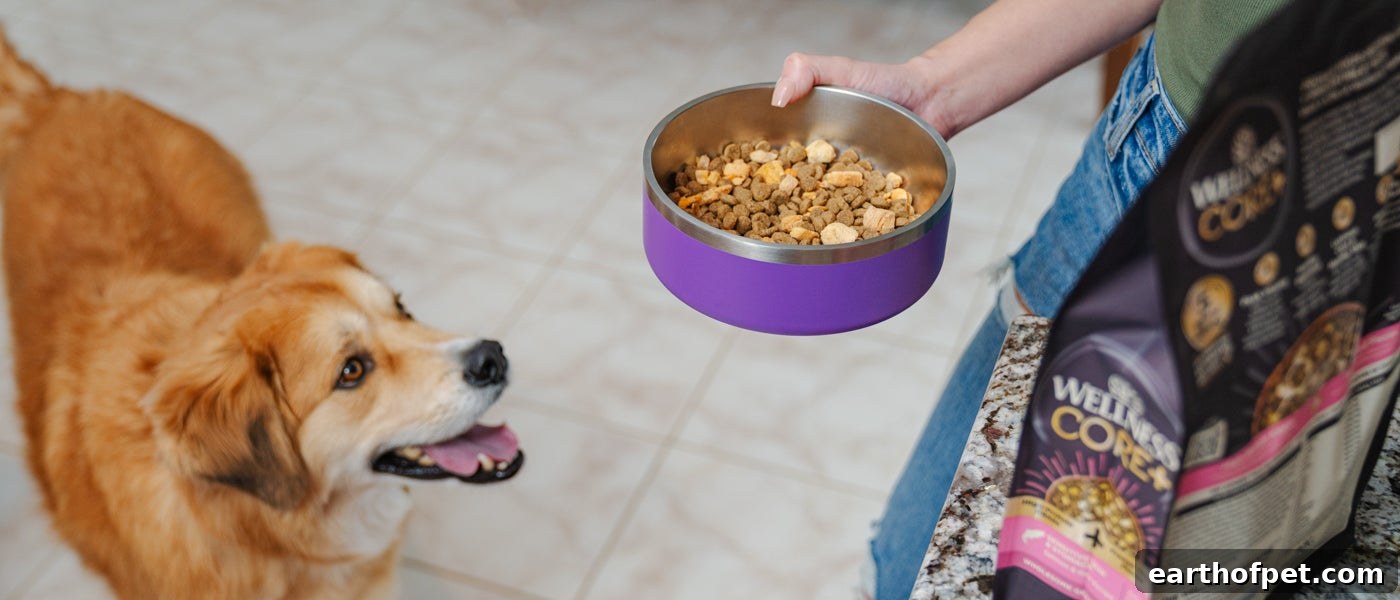
After your pup seems more comfortable, transition to a new food gradually. If you choose a wholesome option, select a high-quality puppy formula appropriate for your pup’s activity level and nutritional needs. Introduce the new food slowly over several days so the digestive system can adjust without upset.
2. Avoid Overfeeding
Overfeeding a puppy can lead to weight gain and stomach problems. High-quality, meat-based puppy foods tend to be nutrient-dense, so you can meet growth needs with smaller portions that suit a puppy’s small stomach. Always follow the feeding guidelines on the bag and adjust amounts as your puppy grows. Feeding portions should be checked regularly and adjusted for age, breed and activity level.
Depending on the breed and age, a puppy’s stomach can be as small as a chestnut or as large as a tennis ball — both are quite small.
3. Avoid Giving Table Scraps
It’s tempting to share human food when a puppy gives you those pleading looks, but even small amounts of unfamiliar or rich food can trigger intestinal upset. High-fat or highly seasoned foods are especially risky. For example, a single piece of bacon is far more calorie-dense for a small puppy than it is for a person and can cause digestive distress.
4. Give Treats In Moderation
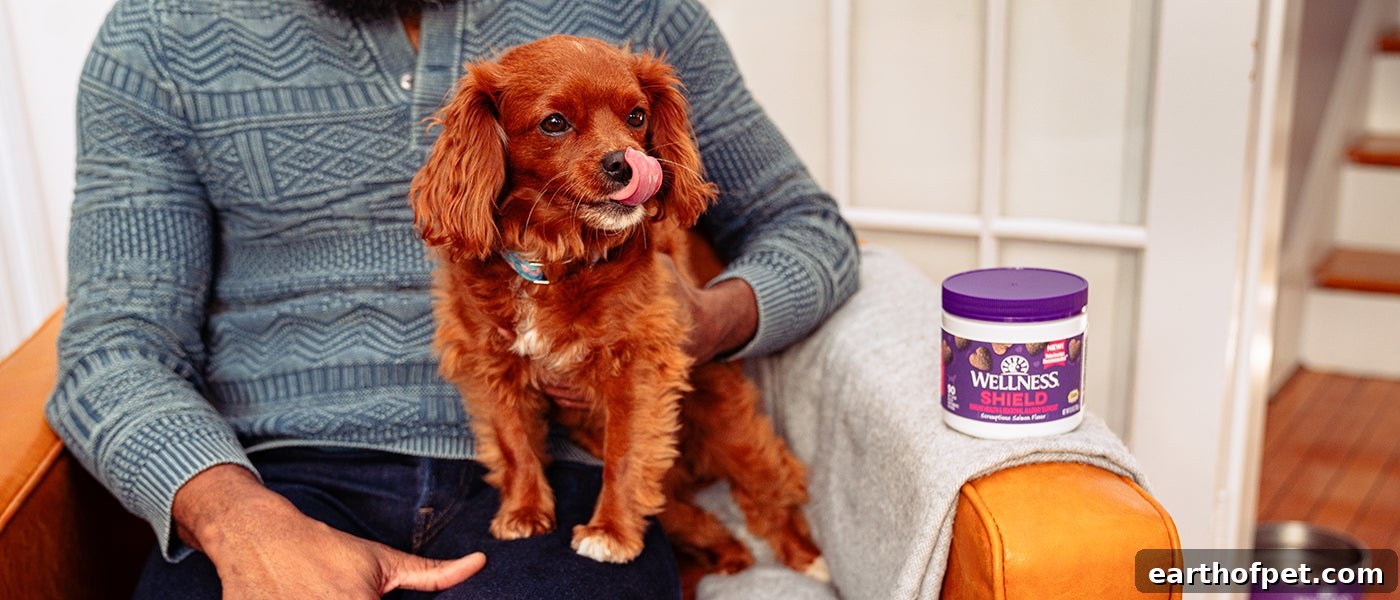
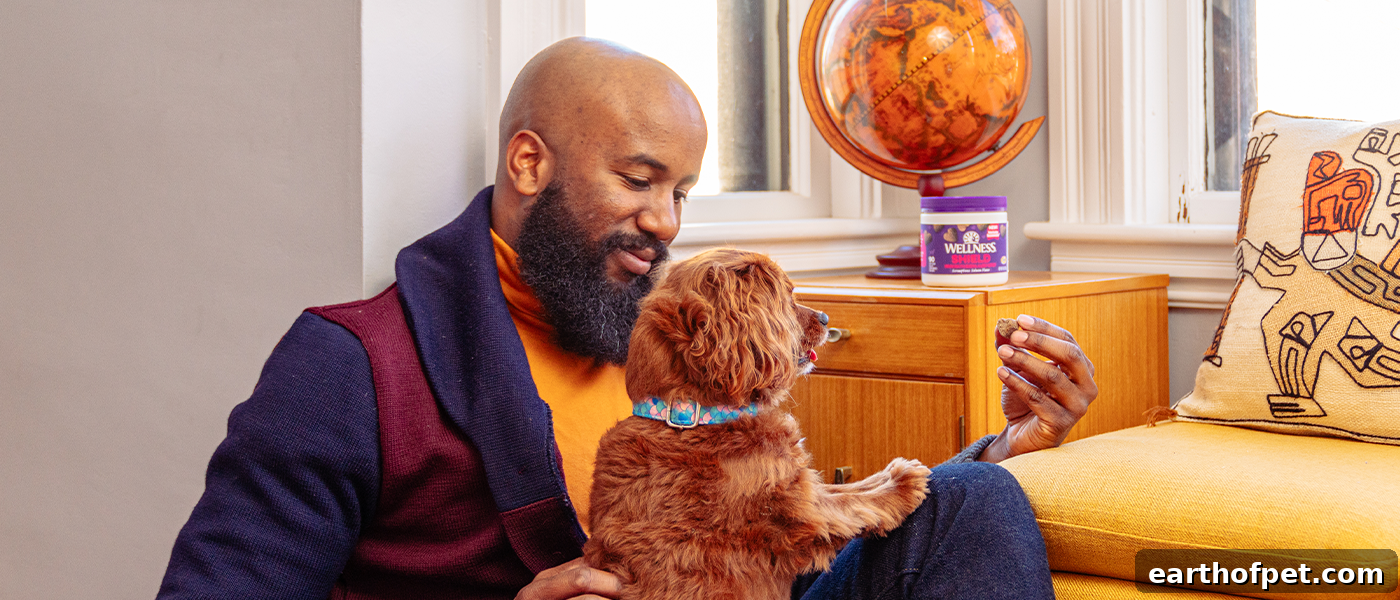
Treats are essential for training and positive reinforcement, but they should be high quality and used sparingly. Avoid treats that are greasy, overly salty, or made with low-quality ingredients, as these can contribute to stomach upset. Opt for small, puppy-formulated treats that list wholesome ingredients and are easy to portion. Soft, moist training bites can be torn or cut into smaller pieces so you don’t over-reward during training sessions.
5. Transition Between Puppy Foods Carefully
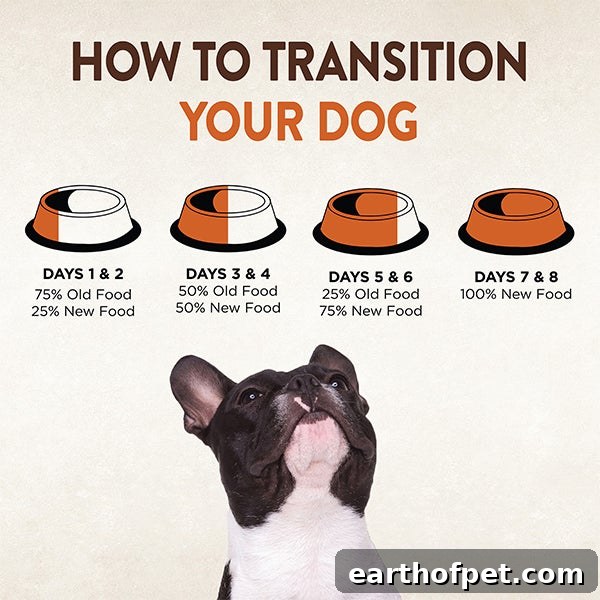
During the first year you may try different foods as you learn what suits your puppy best. Always introduce any new food slowly — for puppies, take 4 to 7 days or longer to transition, rather than the shorter period sometimes used for adult dogs. Mix increasing amounts of the new food into the old diet, gradually reducing the old food each day to avoid diarrhea or other digestive issues.
6. Support Their Microflora With Probiotics
A puppy’s gut contains trillions of bacteria that influence digestion and immune health. Diet and environmental stressors can shift the balance of gut bacteria, sometimes causing upset. Look for puppy foods that include prebiotic fiber and guaranteed probiotic levels, or discuss a veterinary-recommended probiotic supplement with your vet. Prebiotics and probiotics can help maintain a healthy microbiome and reduce instances of digestive disturbance.
7. Manage Their Stress
Stress is one of the most common and often overlooked causes of diarrhea in puppies. New experiences — first car rides, a busy dog park visit or a vet appointment — can trigger anxiety that shows up as loose stools. Help your puppy acclimate slowly: keep early outings brief, choose quiet times for socialization, and reinforce calm behavior with praise and gentle rewards. Reducing stress will often improve digestive stability.
8. Puppy Proof To Ensure They Don’t Eat Unsafe Things
Teething puppies explore with their mouths and can chew or swallow items that cause blockages or irritation. If your puppy suddenly develops severe vomiting or diarrhea, consider whether they may have ingested a foreign object and seek veterinary care promptly. Puppy-proof your home by removing small objects, toxic plants, and easily swallowed items to prevent accidental ingestion.
9. Investigate The Possibility Of A Food Allergy
Food allergies in dogs are less common than many owners think, but they do occur. Typical allergens include common proteins like chicken or beef and ingredients such as dairy, corn or wheat. Allergies produce an immune response and can cause symptoms like stomach issues, itchy skin and hair loss. A veterinarian can help diagnose allergies; if confirmed, a limited-ingredient diet with high-quality components may help. Choosing formulas without common fillers or artificial additives is often beneficial for dogs with suspected allergies.
10. Investigate The Possibility Of A Food Sensitivity
Food sensitivities differ from allergies in that they typically cause more gradual symptoms and do not involve the immune system in the same immediate way. Sensitivities may be triggered by specific ingredients or by an imbalance of macronutrients like excess carbohydrates or fats. Switching to a balanced, high-quality puppy diet that avoids known reactive ingredients and unnecessary fillers can often improve symptoms. Work with your veterinarian to identify and address possible sensitivities.