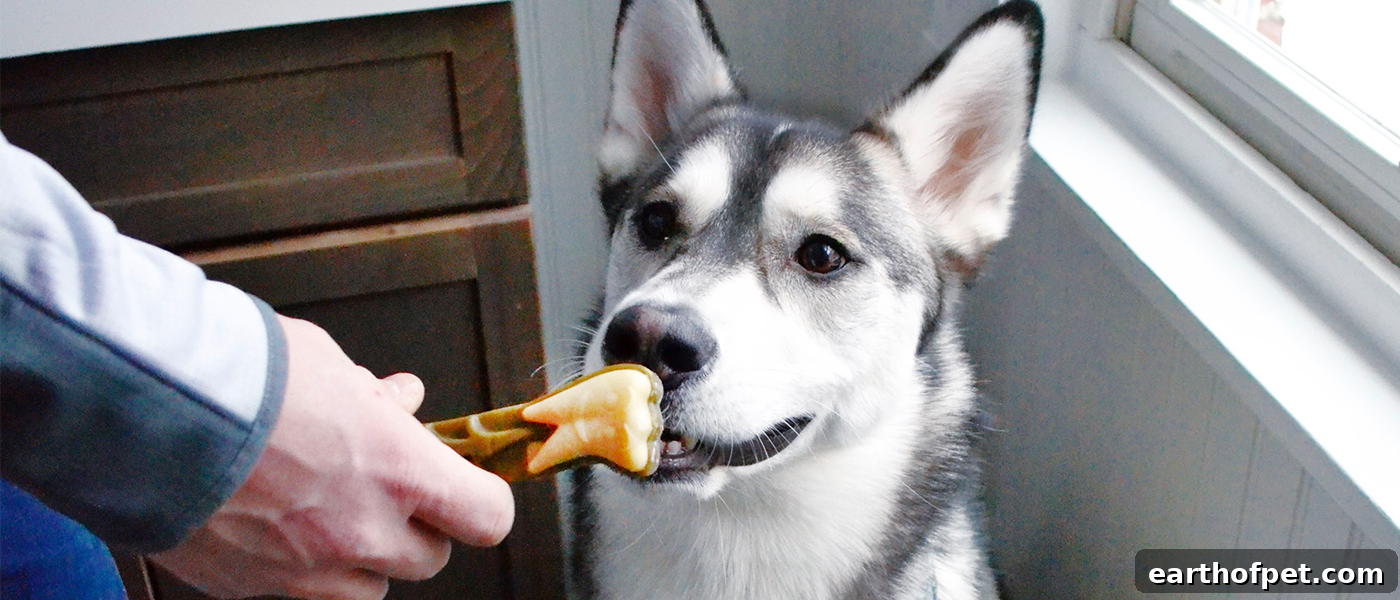
Did you know dogs need their teeth brushed just like people? Ideally, a dog’s teeth should be brushed every day. Many dog owners are surprised by this: routine toothbrushing is an important part of daily dog care, yet roughly 80% of dogs show signs of dental disease. Dental problems such as tooth decay, gum disease, and gingivitis can be painful and may contribute to other health issues, so consistent oral care is essential for a long, healthy life.
Introducing toothbrushing to a dog takes patience and positive reinforcement. The following guidance will help you build a calm, consistent routine for brushing your dog’s teeth, making the experience pleasant for both of you and improving your dog’s dental health over time.
MAKE SURE YOUR DOG IS CALM AND RELAXED
Start slowly, especially for a dog encountering toothbrushing for the first time. It may take several short sessions over a few days before your dog feels comfortable with you near their mouth. Follow these basic guidelines:
- Choose a calm time of day—morning or evening often works best.
- Sit or kneel in front of your dog in a non-threatening, relaxed posture. Avoid standing over them or restraining them tightly.
- Watch your dog’s body language. If their ears are pinned back, they are rigid, or they appear anxious, pause and try again later.
Once your dog is relaxed in this setting, you can begin preparing their gums and introducing the tools you will use.
PREP YOUR DOG’S GUMS
Dogs are not born knowing how to accept a toothbrush, so start by conditioning the gums to gentle touch. Lift the upper lip and use your finger to massage along the gumline where the teeth meet the gums. Apply light pressure and move in a soft, circular motion—think of your finger as a toothbrush. Repeat these short gum massages over several sessions until your dog accepts having their mouth handled without stress.
Try to perform these prep sessions in the same place and at the same time of day you plan to brush. Consistency helps your dog form a predictable, reassuring routine.
INTRODUCE YOUR DOG TO THE DOGGY TOOTHBRUSH
When your dog accepts gum massage, introduce a dog-specific toothbrush and toothpaste. Use products formulated for dogs: toothbrushes have softer bristles and angled heads to fit canine mouths, and dog toothpastes are safe to swallow and come in pet-friendly flavors. For dogs over 30 pounds, choose a toothbrush with a handle to reach the rear teeth; for smaller dogs, a fingertip brush often works well.
Gently moisten the brush, lift the lip, and let the bristles touch the gumline at a 45-degree angle. Don’t expect a full cleaning on the first attempt—allow your dog to adjust to the sensation slowly.
LET YOUR DOG SAMPLE THE DOGGY TOOTHPASTE
Introduce the toothpaste before trying a full brushing. Put a small amount on your finger and let your dog lick it to check the flavor. Never use human toothpaste—some ingredients can be harmful to dogs. If your dog rejects one flavor, try another until you find one they enjoy; a palatable toothpaste makes the whole process more agreeable.
HOW AND WHERE TO BRUSH YOUR DOG’S TEETH
When your dog is comfortable with the tools and flavor, you’re ready to begin brushing. Keep the environment and timing the same as your conditioning sessions, and follow these steps:
- Have all materials ready and sit where your dog feels relaxed.
- Hold the toothbrush at a 45-degree angle and use small, circular motions along the gumline.
- Start slowly—early sessions may only cover a few teeth, and that’s fine. Gradually increase the area you brush as your dog becomes more tolerant.
- Praise and reward your dog throughout the session to create a positive association.
- Begin with the upper canine teeth, where plaque often accumulates, and work toward the back of the mouth as tolerance improves.
Over time you can build up to brushing the entire mouth. At first you may manage only a few days per week; aim to increase frequency as your dog becomes accustomed to the routine. Alongside brushing, consider supplementing oral care with veterinarian-recommended dental chews or toys that help reduce plaque and freshen breath. These are not a replacement for brushing but can support ongoing dental hygiene.
If your dog shows persistent pain, bleeding gums, bad breath, or heavy tartar buildup, consult your veterinarian. Regular professional dental checkups and cleanings are a key part of an overall oral health plan. With patience, consistency, and the right tools, you can make toothbrushing a stress-free habit that protects your dog’s teeth and overall health for years to come.