How to Not Overfeed a Puppy
Bringing a new puppy home is an exciting experience. Puppies are affectionate, playful, and grow quickly, which means their diet must support rapid development without encouraging excess weight. Overfeeding in the early months can lead to lifelong problems, so a careful feeding plan, consistent routine, and regular veterinary guidance are essential to keep your puppy healthy.
Weaning Your Puppy — Birth to 6 Weeks
Puppies typically nurse from their mother for the first 6 to 8 weeks. Most breeders and veterinarians recommend waiting until the puppy’s caloric needs are no longer met by nursing before introducing other food—commonly around six weeks, though some puppies continue nursing until eight weeks.
If the mother cannot nurse, you will need to provide a commercial milk replacer formulated for puppies and feed with an appropriate bottle or dropper for the first few weeks. Once the puppy is weaned, you can gradually introduce solid foods designed specifically for puppies.
Feeding Your Puppy after Weaning — Weeks 6–12
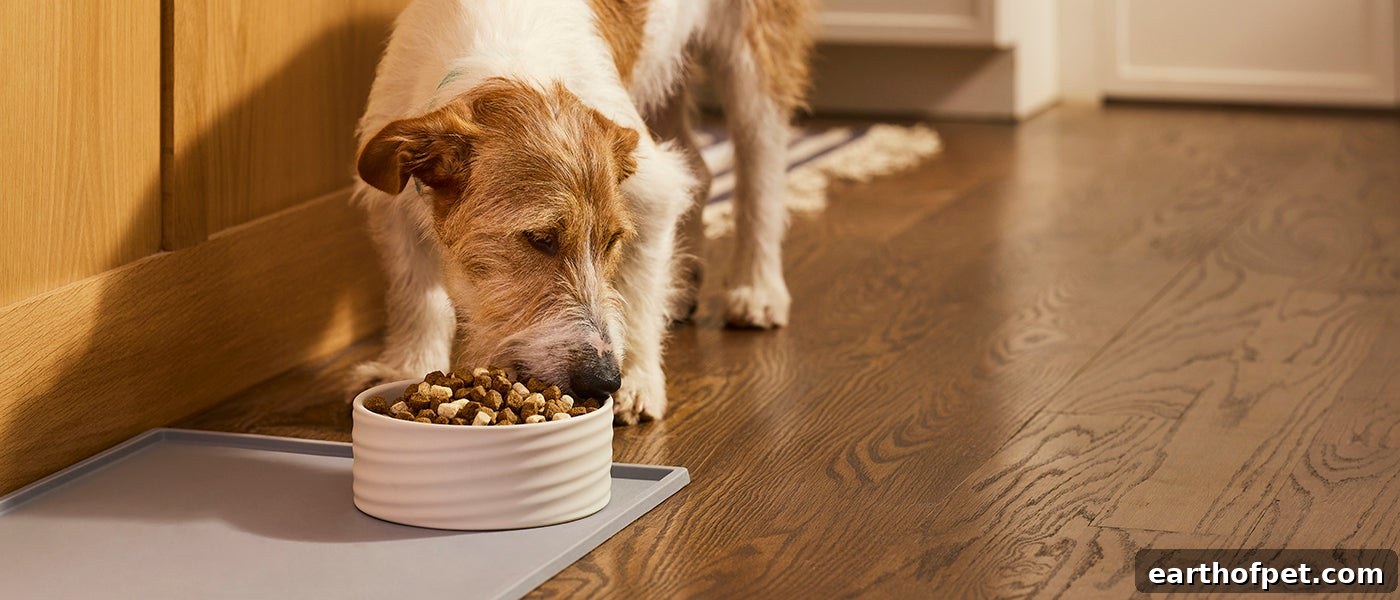
After weaning, feed a high-quality puppy formula designed to meet the higher calorie, protein, and calcium needs of growing dogs. These diets support bone development, muscle growth, and overall health. Consult your veterinarian to choose the right formula and establish a feeding schedule that suits your puppy’s breed and size.
Early Life Feeding Schedule — Three to Four Times a Day
- Puppies aged 6 to 9 weeks often receive a mix of dry food and milk replacer while transitioning to solid food.
- Large-breed puppies are usually fully on dry food by 9 to 10 weeks.
- Many small-breed puppies move completely to dry food by 12 to 13 weeks.
- Feed at consistent times each day so your puppy receives the right total calories and learns a routine.
- Allow each meal 10 to 20 minutes; remove uneaten food after this window to discourage grazing and teach meal structure.
Feeding Your Puppy — Months 3–6
Between three and six months you will typically reduce the number of daily feedings by one (for example, from four meals to three). Around week 12 many puppies begin to lose the extra “puppy pudge” as growth evens out. The goal through this phase is steady, controlled growth—too many calories can lead to excess weight and joint issues, especially in larger breeds.
If you use treats for training, account for them in your puppy’s daily calorie budget to avoid inadvertent overfeeding. Use small, low-calorie rewards or break treats into tiny pieces for frequent training sessions.
Transitioning to Adult Food — Months 7–16
Dogs reach physical maturity at different ages depending on their size. Small breeds (generally 30 pounds or less) often mature between 10 and 12 months. Medium breeds may reach maturity around 12 to 16 months, while large breeds can take up to two years to finish growing.
When switching to adult food, transition slowly over several days to a week by mixing increasing proportions of the new food with the old. This gradual shift helps prevent digestive upset. Ask your veterinarian which adult formula is best for your dog’s size, activity level, and health needs.
How Much to Feed Your Puppy Based on Weight
Monitoring your puppy’s weight and body condition is an important part of ensuring proper nutrition. A quick at-home method is to weigh yourself while holding the puppy and subtract your own weight to estimate the puppy’s weight; a scale designed for pets is more accurate.
The following are general daily feeding guidelines by weight. Always refer to your specific food’s label for manufacturer recommendations and adjust based on your puppy’s growth, activity, and body condition.
- 5 pounds: about ½ to 5/8 cup
- 10 pounds: about ¾ to 1 cup
- 20 pounds: about 1¼ to 1¾ cups
- 40 pounds: about 2¼ to 3 cups
- 60 pounds: about 3 to 4 cups
- 80 pounds: about 3⅔ to 5 cups
- 100 pounds: about 4¼ to 6 cups
These ranges are general; check the feeding chart on your puppy food bag and tailor portions according to your puppy’s growth and veterinarian guidance.
To avoid unnecessary weight gain, limit table scraps, fatty treats, and non-nutritive items such as bones that can add calories without balanced nutrition. Prioritize a complete, balanced puppy food and controlled treat portions. Regularly assess your puppy’s body condition—ribs should be felt under a light layer of fat, and the waist should be visible in profile.
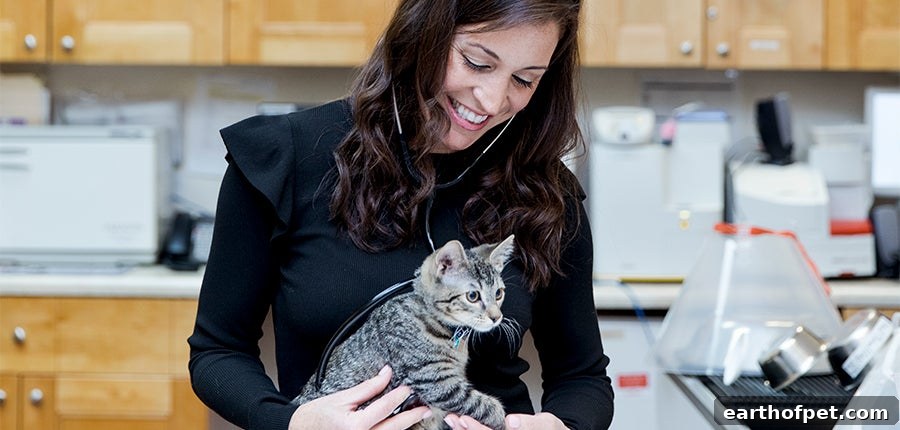
Work closely with your veterinarian at major developmental milestones, which occur every few months during the first year. They can help adjust portions, recommend the best diet for your puppy’s breed and size, and identify any growth concerns early.
High-quality puppy food tailored to age and size plays a major role in supporting healthy growth. Choose reputable formulas and follow feeding guidelines and veterinary advice to give your puppy the best start toward a strong, healthy adulthood.