Overfeeding dogs and overfeeding cats
If you recently began working from home or spend more time at home than usual, your pets will notice the change. Increased human presence often leads to shifts in pet behavior around attention and food. When you’re home more, dogs and cats may beg more frequently, come to rely on you for constant interaction, or press for extra meals and treats. These reactions are natural, but without clear routines and limits, they can quickly contribute to unwanted weight gain and long-term health problems. This article explains simple, practical steps to prevent overfeeding dogs and cats while keeping them mentally and physically satisfied.
Avoiding Overfeeding Dogs and Cats at Mealtime
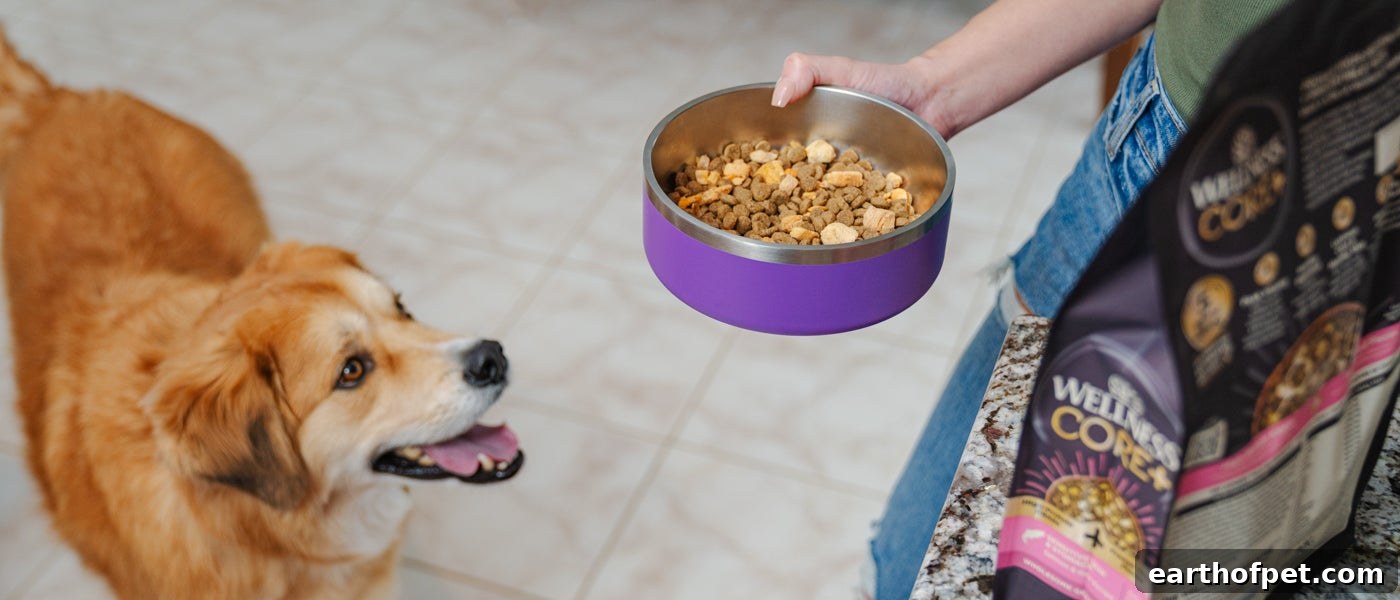
The single most effective habit to prevent overfeeding is a consistent feeding routine. Pets thrive on predictability: regular meal times and measured portions reduce begging and anxiety around food. Decide on a feeding schedule that fits your day and stick to it—typically twice daily for many adult dogs and cats, unless your veterinarian recommends otherwise. Use a measuring cup or a kitchen scale to portion food according to your pet’s ideal body condition, age, and activity level rather than guessing by eye. If your work-from-home day has flexible hours, set alarms to keep meal times consistent.
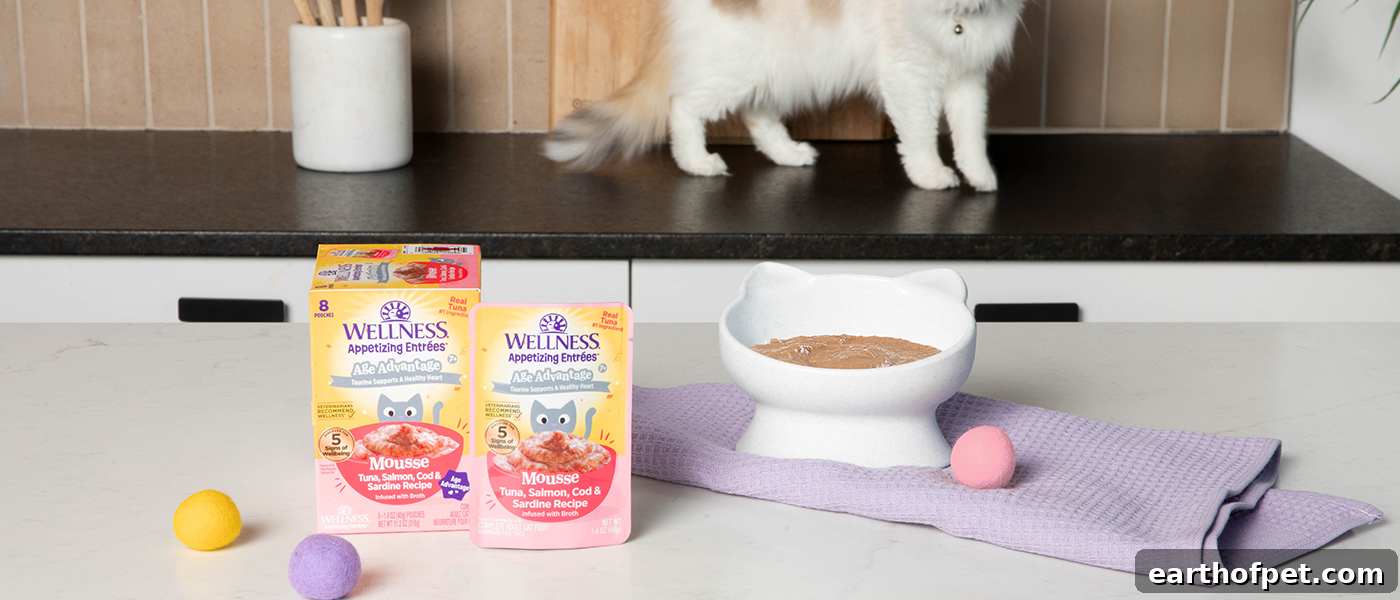
Automatic feeders can help maintain a steady schedule when work commitments make timing difficult. For cats and small-breed dogs that graze, controlled portioning into multiple small meals can prevent overconsumption. For pets on prescription diets or with special nutritional needs, follow veterinarian instructions closely. Above all, consistency and portion control are key to preventing unintended calorie surplus.
Avoid Overfeeding Dog and Cat Treats
Treats are a common source of excess calories. When you’re nearby all day, it’s easy to reward attention-seeking behavior with multiple treats. Create a treat plan: decide how many treats per day are acceptable, keep them low-calorie, and use them intentionally for training, enrichment, or dental chews rather than as a default response to begging. Consider replacing some treats with healthy alternatives such as pieces of cooked vegetables (when safe for the species), small portions of lean protein, or interactive chew toys that provide mental stimulation without extra calories.
Keep treats out of reach and measure them rather than handing out handfuls. A simple trick is to write the allowed number on the treat package or keep a tally on a notepad so you don’t unintentionally overdo it. If your pet receives treats during daycare, walks, or from other household members, factor those into the daily total. When exercise is limited—bad weather, busy workdays—choose lower-calorie treats or skip them in favor of play sessions.
The Nutritional Cost
Excess calories lead to weight gain, and overweight pets face a higher risk of chronic health issues. Carrying extra weight stresses joints and can accelerate arthritis, increases the risk of metabolic conditions such as diabetes, and raises the likelihood of heart and kidney problems. Obesity can also decrease a pet’s energy level and overall quality of life. Loving your pet means protecting their long-term health—offer attention, play, grooming, and companionship rather than frequent food rewards.
If you suspect your pet is carrying extra weight, consult your veterinarian for an assessment and a tailored weight-management plan. A professional can recommend safe calorie targets, suitable diets, and an exercise plan that fits your pet’s age and medical history.
Alternative Options
Boredom or seeking attention often drives pets to beg for food. Replace some feeding interactions with activity and enrichment. Schedule short, frequent play breaks during the workday—a brisk walk, a quick fetch session, or interactive play with a wand or laser for cats. Puzzle feeders and treat-dispensing toys make mealtime more engaging and slow down eating, giving pets mental stimulation while controlling portion size.
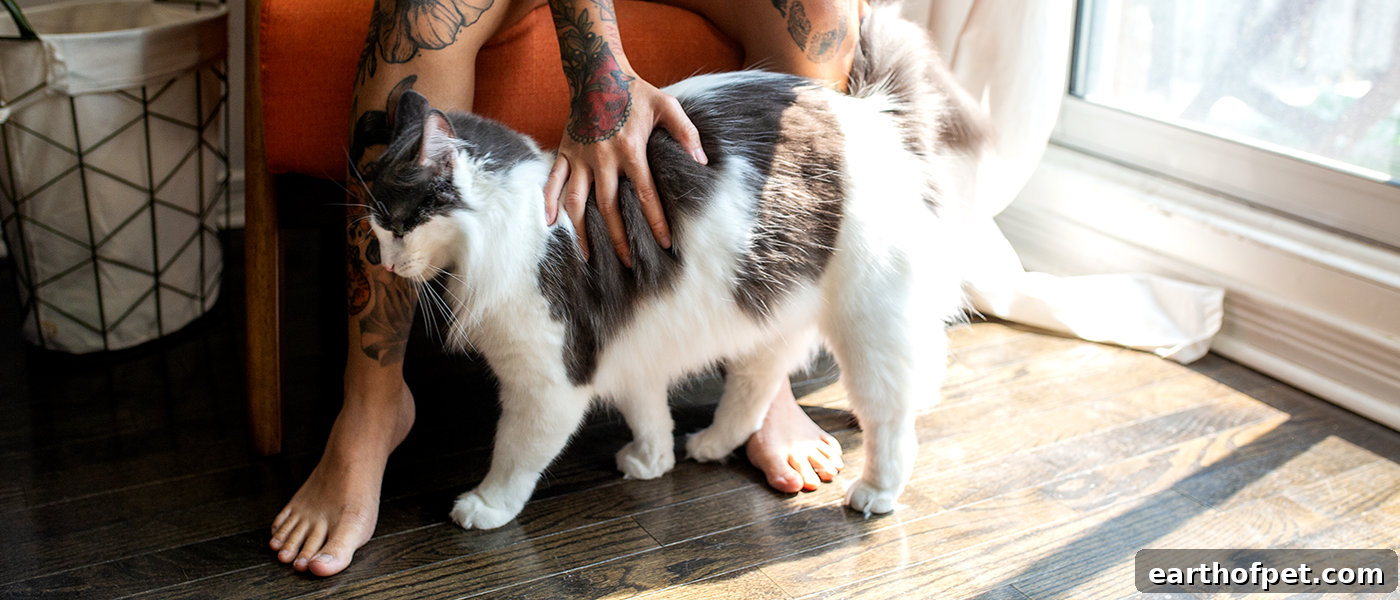
Set clear boundaries when it’s work time: create a comfortable space for your pet with toys, a cozy bed, and periodic attention breaks. If you greet your pet calmly and give them a little attention before you start work, they are more likely to settle down. Be consistent in your responses to begging—don’t give food to stop whining, and reward calm behavior instead. Over time, consistency will reduce attention-seeking around meals.
In short, prevent overfeeding dogs and cats by creating a predictable feeding schedule, measuring portions, limiting and tracking treats, providing enrichment, and consulting your veterinarian when needed. These steps protect your pet’s physical health and help you enjoy a calmer, more balanced home life together.