Take Your Cat to the Vet Day is observed for one day each August, but routine wellness visits and regular checkups with your veterinarian are essential year-round. Regular exams help detect disease early, monitor overall health, and give your cat the best chance for a long, comfortable life.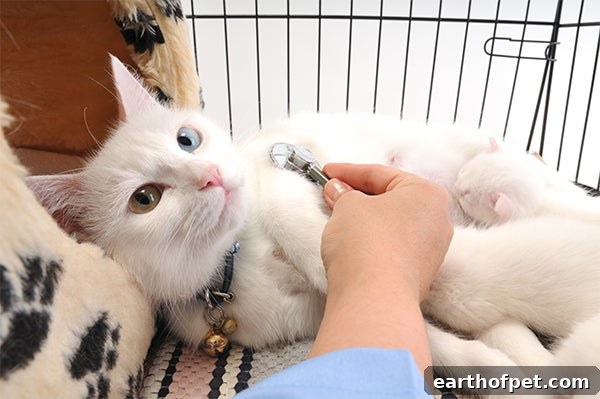
Compared to dogs, cats are taken to the veterinarian far less often. Owners cite several reasons: stress for the cat, the challenge of transporting a cat safely, their independent nature, and the misconception that cats are healthy unless they show clear symptoms. Because cats are masters at hiding pain and illness, subtle changes in behavior or appetite can be easy to miss. Many cat owners only bring a cat to the clinic when something is clearly wrong—by which time the disease may be advanced and treatment options limited.
In this article, I explain why routine wellness visits matter, explore common reasons owners avoid veterinary care for cats, and offer practical tips to make vet visits less stressful for both you and your pet.
Why routine wellness evaluations with your veterinarian are vital
Cats often mask signs of discomfort or early disease as an instinctive survival behavior. A cat that appears “fine” at home may already be developing an illness that won’t be obvious to an untrained eye. Regular veterinary exams help identify physical abnormalities and subtle changes before they become serious.
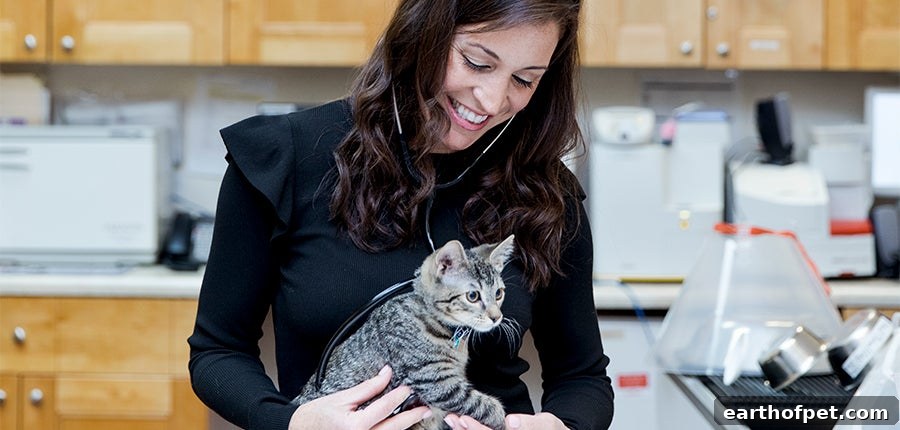
Veterinarians and veterinary technicians are trained to detect clinical signs that most owners miss. Paired with routine bloodwork and diagnostic screening, these exams can reveal conditions early—often well before outward symptoms appear—making treatment more effective and improving long-term outcomes for your cat. Annual or more frequent checkups are especially important for senior cats or animals with chronic conditions.

Why many pet parents avoid routine veterinary care for cats
More than half the domesticated cats in our country have not been evaluated in the past year by a veterinarian.
That statistic is alarming and highlights a gap in preventive care. The primary deterrent is stress—both for the cat and the owner. Cats dislike changes to their environment and can become anxious when transported or placed in carriers. The process of catching a cat, closing them into a carrier, and traveling to the clinic is stressful and can deter owners from scheduling routine visits.
Another factor is the cat’s independent personality. Cats don’t typically demand attention the way dogs do, which can create the false impression that they require less care. Independence, however, does not mean immunity from disease. Regular wellness checks are crucial, even for seemingly healthy, low-maintenance cats.
Tips to make veterinary visits less stressful for your cat
- Consider at-home visits: Some clinics offer mobile or in-home services. When available, these options eliminate carrier transport and can drastically reduce your cat’s anxiety during the visit.
- Keep the carrier out of sight until travel time: Many cats learn to associate the carrier with vet trips and will hide when they see it. Store the carrier away and only bring it out when you’re ready to leave.
- Ask about mild sedatives: Talk with your veterinarian about whether a mild sedative or anti-anxiety medication is appropriate for your cat. These can ease travel-related stress and improve the experience for everyone involved.
- Use an enclosed carrier: Always transport your cat in a secure, enclosed carrier. When frightened, cats will try to flee and may escape into unsafe areas. An enclosed carrier protects your cat and prevents accidental escapes.

- Request a quiet exam room: Loud waiting areas can heighten anxiety. Call ahead to see if staff can take your cat directly to an exam room upon arrival to minimize exposure to noise and other animals.

I hope this article encourages you to schedule regular wellness exams for your cat. These routine visits are an investment in your cat’s long-term health and quality of life. A single day of stress is worth the many years of improved health and early intervention that regular veterinary care provides. As a caregiver, your vigilance and commitment to preventive care make a meaningful difference in your cat’s well-being.