If we learned anything from the classic tale of the city mouse and the country mouse, it’s that living environments shape how animals — and people — thrive. For dog owners, city life presents a unique set of conditions that influence which breeds adapt best. By understanding typical urban challenges — limited indoor space, lots of foot traffic, hard surfaces, and frequent social encounters — you can choose a dog breed that will be happy, healthy, and well-suited to apartment or condo living.
What is City Life Like for Dogs?
City living usually means smaller indoor spaces and more time spent on sidewalks, in parks, and on public transit. Not every breed requires a large backyard or long runs; some dogs are content with regular short walks and indoor play. Key urban realities to consider include limited private outdoor space, exposure to concrete and road grime, frequent encounters with strangers and other animals, and noise from traffic or neighbors.
Energy level is one of the biggest factors. Low- to moderate-energy dogs often do better in apartments because they don’t require constant high-intensity exercise. Breeds that are naturally calm, content to relax indoors, and mentally adaptable will typically adjust more easily to city routines. Equally important are temperament and trainability: dogs that can remain calm around people, other dogs, and varied stimuli make daily urban life smoother for both pet and owner.
What to Look for in a Dog if You Live in the City
When selecting a city-friendly dog, consider these practical traits:
- Energy level: Can the dog get adequate exercise through shorter walks and indoor play, or does the breed need large, open spaces to burn off steam?
- Grooming needs: Short or low-shedding coats and breeds that are easy to clean after street walks can reduce the effort of maintaining a tidy home and lower allergen buildup.
- Trainability: Dogs that learn leash manners, basic commands, and calm behavior reliably are easier to manage in busy neighborhoods, on public transit, and in shared buildings.
- Social temperament: Breeds that tolerate or enjoy meeting people and other pets adapt best to crowded sidewalks, dog parks, and communal areas.
- Noise level: A dog that is generally quiet or can be trained not to bark excessively makes apartment living more pleasant for everyone nearby.
In short: choose a dog that is calm, sociable, trainable, not overly active, and low-maintenance in grooming for the most harmonious city experience.
Best Dog Breeds for Living in the City
Below is a list of dog breeds commonly known to adapt well to urban life because of their size, energy level, grooming needs, or disposition:
- Maltese
- Bichon Frise
- Cavalier King Charles Spaniel
- Cocker Spaniel
- Tibetan Spaniel
- Shih Tzu (with regular grooming)
- Boston Terrier
- Border Terrier
- Yorkshire Terrier
- Biewer Terrier
- Cairn Terrier
- Bedlington Terrier
- Cesky Terrier
- Basenji
- Chihuahua
- Whippet
- Bulldog
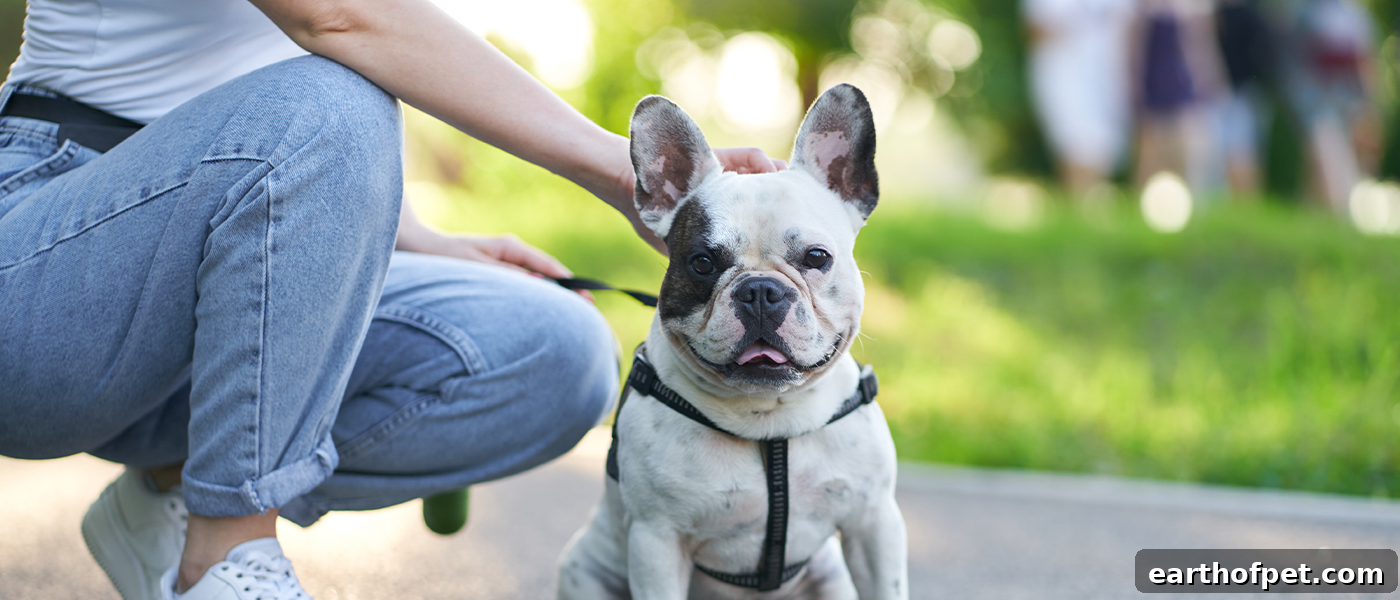
- French Bulldog
- Pembroke Welsh Corgi
- Greyhound
- Chinese Crested
- Havanese
- Dachshund
- Miniature Schnauzer
- Pug
What Makes These Dogs Great at Big City Life
Many of the breeds listed share traits that suit urban living: manageable energy levels, a calm disposition, and coats that are easy to care for or keep clean after walks. These dogs are typically content with moderate daily activity and can stay healthy with a mix of short outdoor walks and indoor play sessions. Trainability and sociability also help them handle crowded streets, transit rides, and visits to cafes or dog-friendly shops.
Additionally, a dog well-suited to city life often bonds closely with its owner and adapts to routines, making them loyal companions for apartment dwellers who may face weather-related limitations on outdoor activity. The right dog can thrive in a city setting while still getting the enrichment and exercise they need.
Practical Tips for City Dog Owners
- Check building rules and local ordinances before adopting or bringing a dog into shared housing to avoid breed or size restrictions.
- Prioritize leash training, socialization, and basic obedience classes early to ensure good behavior around people and other pets.
- Develop indoor exercise routines: puzzle toys, short training sessions, and supervised fetch or tug games can burn energy when outdoor options are limited.
- Keep a simple grooming routine to remove street dirt after walks and reduce allergens inside the home.
- Plan for downtime and quiet: many city breeds enjoy cuddling and relaxation time with their owners, which supports mental well-being.
There are many breeds that thrive in city life. With thoughtful selection, consistent training, and practical care — including a balanced, nutritious diet and regular veterinary checkups — urban dog ownership can be a rewarding and manageable experience for both pet and owner.