Proper hydration is essential to your cat’s health, and feeding high-moisture foods—even if your cat primarily eats kibble—can make a significant difference. Domestic cats descended from desert-dwelling ancestors and naturally have a low thirst drive, so they often get much of their water from food. A diet that includes wet or moisture-rich foods supports basic body functions such as digestion, temperature regulation, and urinary tract health.
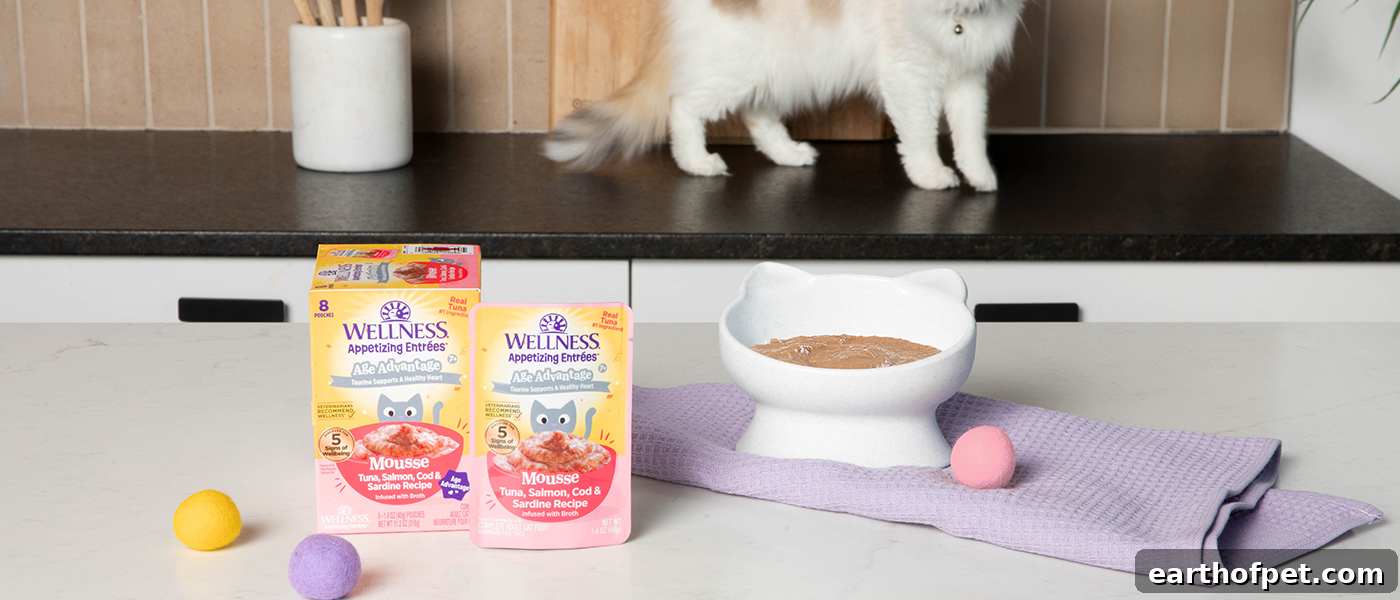
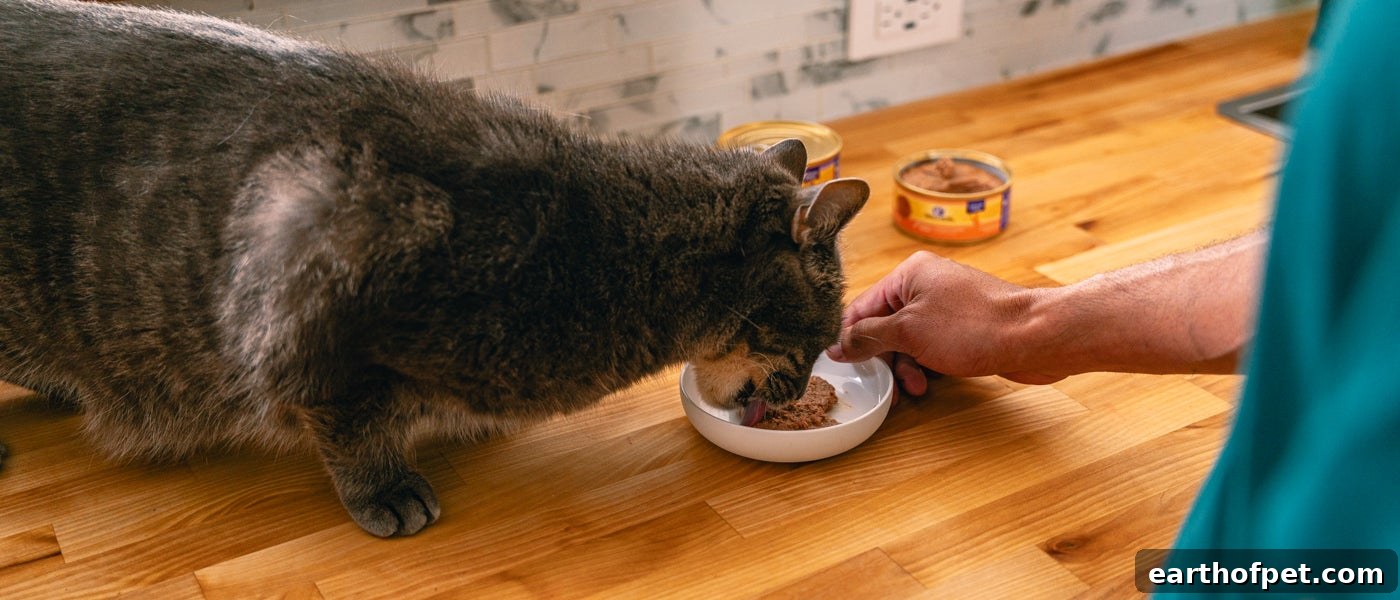
Adding moisture to a cat’s diet—by offering Wellness® wet cat food in cans or pouches, for example—addresses those biological hydration needs more directly than an exclusively dry kibble diet. Below are the main benefits of incorporating wet food or other moisture sources into your cat’s daily routine.
Hydration: Cats often drink less water from bowls than we expect, which can lead to mild or chronic dehydration when the diet is mainly dry food. Moisture-rich foods provide water as part of each meal, helping maintain fluid balance and supporting vital functions like digestion and skin health. For many cats, wet food can be the easiest way to boost overall daily water intake.
Urinary Tract Health: Cats are susceptible to urinary problems, including crystal or stone formation and urinary tract inflammation or infection. Increasing dietary moisture helps dilute the urine and promote more frequent urination, which can reduce the likelihood of crystal formation. Formulas with balanced minerals, such as those found in many premium wet foods, further support urinary health.
Kidney Health: Age-related kidney decline is common in cats. Reduced kidney function and increased urination can raise the risk of dehydration. Diets higher in moisture help offset increased fluid loss and support proper hydration, which is an important consideration for cats with compromised renal function.
Weight Management: Wet foods generally contain fewer calories per volume than dry kibble and can help cats feel fuller on fewer calories. The added water increases meal volume without adding extra calories, which can support weight loss or maintenance when combined with portion control and veterinary guidance.
Diabetes Support: Because obesity is a risk factor for feline diabetes, managing weight is a key preventative measure. Diabetic cats also tend to urinate more, increasing water requirements. Moisture-rich, higher-protein, lower-carbohydrate wet diets can complement veterinary treatment plans for cats with diabetes or those at risk.
Digestive Health: Adequate hydration aids gastrointestinal function and helps maintain soft, easily passed stools. Cats fed higher-moisture diets are less likely to experience constipation because the digestive tract benefits from the additional water content in meals, which supports normal gut motility.
Palatability: Wet foods are often more aromatic and flavorful than dry kibble, which can be particularly helpful for picky eaters or cats with reduced sense of smell. Improved palatability can encourage consistent eating and help ensure your cat receives balanced nutrition.
Skin and Coat: Proper internal hydration contributes to healthier skin and a shinier coat. Well-hydrated skin is less likely to become dry, flaky, or itchy, and a moisture-rich diet can support the absorption of nutrients that contribute to skin and coat condition.
Heat and Temperature Regulation: Staying hydrated helps cats regulate body temperature, especially during hot weather or when they are more active. While cats use a variety of physiological mechanisms to manage heat, maintaining adequate fluid balance supports those processes and helps prevent overheating-related stress.
How to Add More Moisture to Your Cat’s Diet
Every cat is different, so tailor changes to their preferences and health needs. Ensure fresh water is always available in multiple locations around the home, and consider a water fountain if your cat prefers moving water. To increase dietary moisture, you can:
- Offer a mix of wet and dry food, or transition gradually to a primarily wet diet.
- Add water, low-sodium broths, or toppers to dry kibble to increase moisture content.
- Try different textures and flavors of wet food to find what your cat prefers—options like paté, chunks in gravy, or shreds can entice different eaters. Products such as Wellness Bowl Boosters Simply Shreds can be used as an enticing topper to introduce moisture and flavor.
- Use puzzle feeders with wet food once your cat is accustomed to it to add mental enrichment along with hydration benefits.
Introduce any dietary change gradually over several days to a couple of weeks to minimize digestive upset. Monitor your cat’s appetite, stool quality, and overall behavior during the transition.
Wellness® cat foods are backed by a satisfaction guarantee, making it easy to try different textures and flavors to find the best fit for your cat. Their recipes are formulated to support general wellbeing, with hydration acting as one of several supportive elements.
Before making major changes to your cat’s diet—especially if your pet has underlying health issues such as kidney disease, diabetes, or urinary tract conditions—consult your veterinarian. A veterinarian can provide individualized guidance on the best feeding plan and monitor any health-related dietary adjustments. Gradual transitions and professional oversight will help ensure your cat receives the nutritional support and hydration they need.
*With added vitamins, minerals, and trace nutrients