Written in collaboration with Dr. Katy Miller, Director of Veterinary Services at BSM Partners
If your dog is energetic—whether they join you for daily runs, long hikes, agility classes, or hours of vigorous play—feeding the right diet is essential. Active dogs burn more calories and place greater demands on their muscles and recovery systems than more sedentary pets. Among the nutrients that matter most for performance and overall health, protein stands out. It supports muscle maintenance and repair, contributes to stamina, and helps the body recover after exertion. Choosing the best high-protein dog food means finding the right balance: enough protein to meet your dog’s needs, but not so much that it’s wasted.
Think of this as a Goldilocks approach to nutrition: aim for a protein level that’s just right for your dog’s activity, age, and body condition. Too little protein can limit muscle repair and endurance; too much offers no additional benefit and can be inefficient. The goal is to give your dog high-quality, digestible protein in a balanced formula that supports sustained activity and long-term health.
Why Protein Matters for Active Dogs
Protein supplies the amino acids needed to build and maintain lean muscle, and it plays a central role in recovery after exercise. When dogs run, jump, and train, microscopic damage occurs in muscle fibers; dietary protein provides the raw materials to repair those fibers and make them stronger. In addition, certain amino acids can be converted to glucose during prolonged activity, helping to sustain energy when carbohydrate stores run low.
Protein also supports immune function by enabling the production of antibodies and enzymes, and it contributes to hormone balance and healthy organ function. For active dogs, a diet with adequate, high-quality protein promotes a glossy coat, healthy skin, and overall vitality—factors that matter just as much off the trail as on it.
If you want practical tips for building a high-protein feeding plan, see the guide How to Make a Healthy High-Protein Diet for Dogs, which covers how to match protein to your dog’s needs and how to balance protein with fats, carbohydrates, and micronutrients.
How Much Protein Is “Just Right”?
While protein is crucial, more is not always better. Excessive protein that exceeds a dog’s needs may simply be used for energy or excreted rather than contributing to muscle growth or recovery. For most healthy, active adult dogs, dry food that contains roughly 28–34% protein (on a guaranteed analysis basis) provides an effective balance: enough protein to support endurance and muscle maintenance without oversupplying this nutrient.
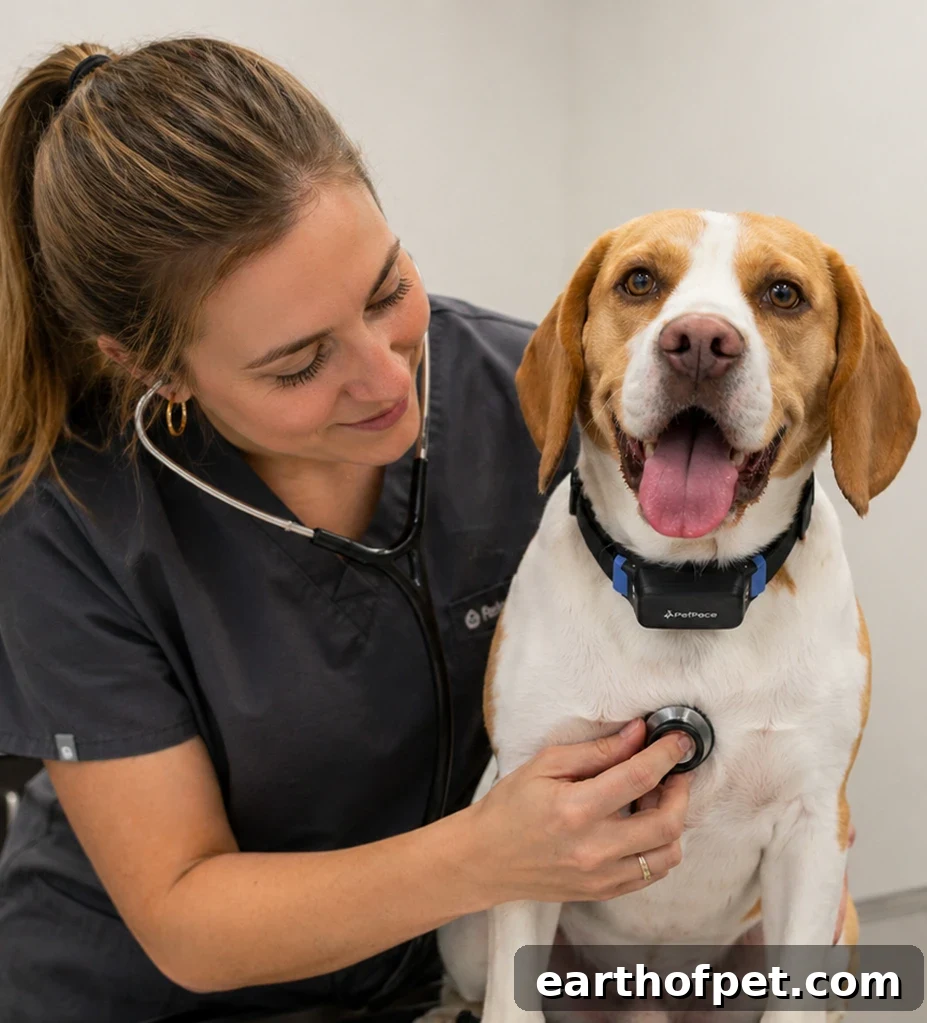
Individual needs will vary by breed, body composition, age, and the type and intensity of activity. Working dogs, canine athletes, or dogs in heavy training may benefit from the higher end of that range, while less active adults may do well on a moderate protein level. Consult your veterinarian or a qualified animal nutritionist if you’re unsure where your dog falls on that spectrum.
What Are the Best High-Protein Dog Food Options?
When selecting a high-protein diet for an active dog, prioritize the quality and digestibility of the protein source over the headline protein number. Look for formulas that list named animal proteins—such as chicken, beef, or fish—as primary ingredients, and that offer a balanced ratio of protein to fats and carbohydrates to match your dog’s energy needs.
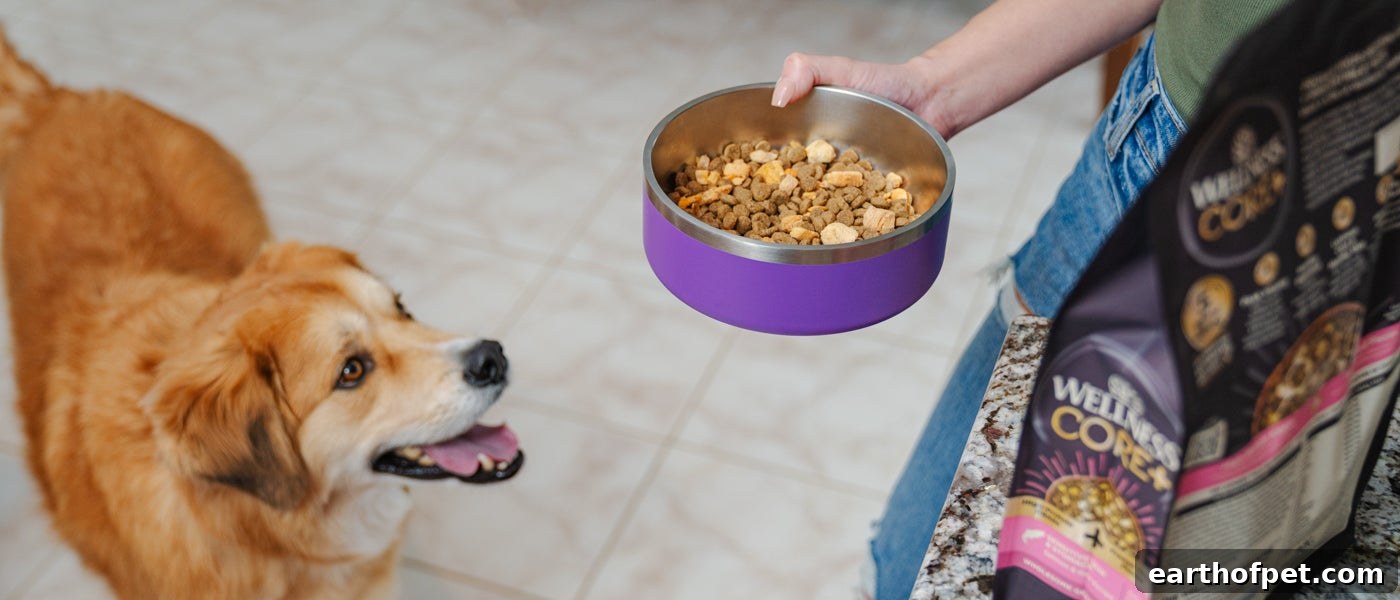
- Wellness® CORE+™ – These formulas combine real freeze-dried cuts of beef, chicken, or fish with a high-protein kibble to deliver sustained energy and strong muscle support. At about 34% protein, CORE+ is formulated to help active dogs maintain endurance and recover efficiently after exercise.
- Wellness CORE® – CORE is built around premium animal proteins and typically provides roughly 34% protein. Its nutrient profile is designed to support lean muscle mass and long-term performance for dogs that require more robust daily nutrition.
- Wellness Complete Health® – These recipes emphasize high-quality, wholesome ingredients with protein listed first, offering balanced nutrition aimed at whole-body health while supplying the protein active dogs need for daily fitness and longevity.
Each of these lines is developed to offer a balanced approach to protein, fats, fiber, and micronutrients so dogs receive the energy and recovery support they require without unnecessary excess. Beyond the guaranteed protein percentage, consider ingredient transparency, digestibility, and how well your dog tolerates a formula over time.
The Bottom Line
Active dogs do best on diets that deliver ample, high-quality protein without going overboard. A well-formulated high-protein dry dog food in the 28–34% range offers a practical balance of muscle support, energy supply, and recovery aid for most active adult dogs. Select foods that emphasize named animal proteins, good digestibility, and overall nutrient balance, and monitor your dog’s body condition, performance, and recovery to ensure the diet remains the right fit. When in doubt, partner with your veterinarian to tailor protein intake to your dog’s specific needs and activity level.