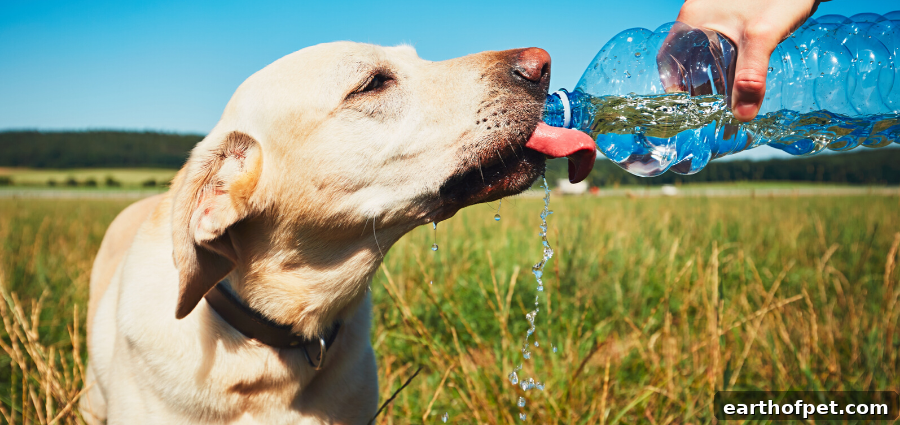
Keep your pet happy and healthy by providing them with fresh water
Clean, fresh water is essential to your pet’s health and wellbeing. Like all mammals, dogs and cats are largely composed of water, and adequate hydration is critical for every bodily function. Without enough water, pets can become dehydrated and face serious health problems, including urinary tract and kidney issues. Regularly offering fresh water and monitoring your pet’s drinking habits helps prevent these risks and keeps your companion comfortable and active.
What water does for your pets
Water supports virtually every physiological process in a pet’s body. It transports nutrients and oxygen to cells, helps digest and absorb food, cushions internal tissues and the spinal column, and lubricates joints so pets can move comfortably. Proper hydration also aids in the elimination of waste through urination and bowel movements, helping maintain healthy kidneys and a balanced system.
When pets don’t get enough water, their bodies cannot function optimally. Early signs of dehydration include dry or tacky gums, sunken eyes, decreased skin elasticity, lethargy, and reduced appetite. Catching these signs early and restoring fluids can prevent escalation to more serious conditions. If you suspect your pet is dehydrated or behaving unusually, consult your veterinarian for guidance and possible treatment.
Providing your pets with adequate water
How much water a pet needs varies with factors such as age, size, diet, activity level, environment, and health status. Pets often drink more during hot weather or after vigorous activity. Animals fed mostly wet food typically consume less additional water than those on a dry-food diet, since wet food contains a higher moisture content. Pets with medical conditions—such as metabolic disorders, kidney disease, or certain infections—may require closer monitoring and more frequent hydration. Pregnant and nursing animals also need extra fluids to support themselves and their offspring.
Most healthy pets will regulate their own water intake, but it’s important to pay attention to patterns. Sudden increases or decreases in drinking can indicate an underlying issue. Keep a clean supply of fresh water accessible at all times, and contact your veterinarian if you notice significant changes in your pet’s drinking habits, energy level, or bathroom patterns.
How often should you change your pet’s water
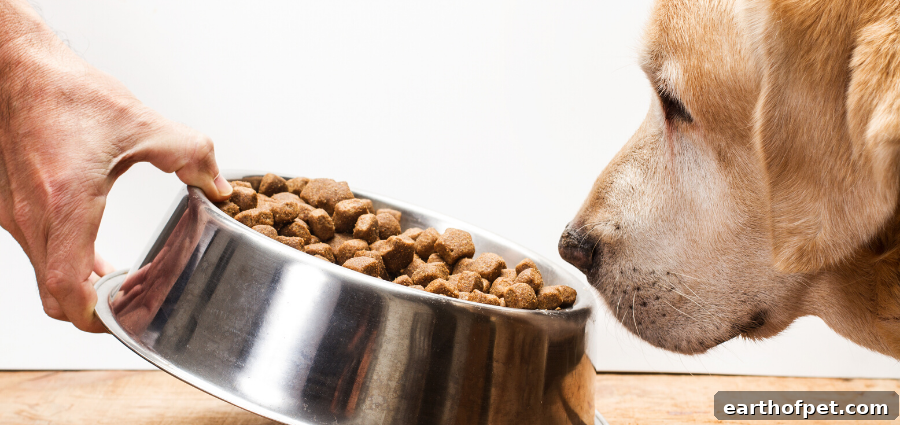
To ensure safe, appealing hydration, change your pet’s water at least once daily. A full bowl of fresh water encourages regular drinking and reduces the chance that the water becomes stale or contaminated. In addition to daily refills, rinse and dry the bowl each day to limit bacteria and residue buildup from saliva and food particles. Thoroughly wash food and water bowls with hot, soapy water every few days—or more often if the bowl appears dirty. Opt for bowls made of stainless steel, glass, or ceramic rather than plastic, which can retain odors and scratch more easily.
If you use an automatic water fountain, clean it and replace filters according to the manufacturer’s recommendations—typically at least once a week—to prevent algae and bacterial growth. Frequent cleaning keeps the water tasting fresh, which encourages pets to drink regularly and supports long-term hydration.
Providing daily fresh water and maintaining a clean bowl are simple, effective ways to protect your pet’s health. Consistent hydration helps prevent dehydration-related illnesses and supports overall vitality, helping your dog or cat live a longer, more comfortable life.
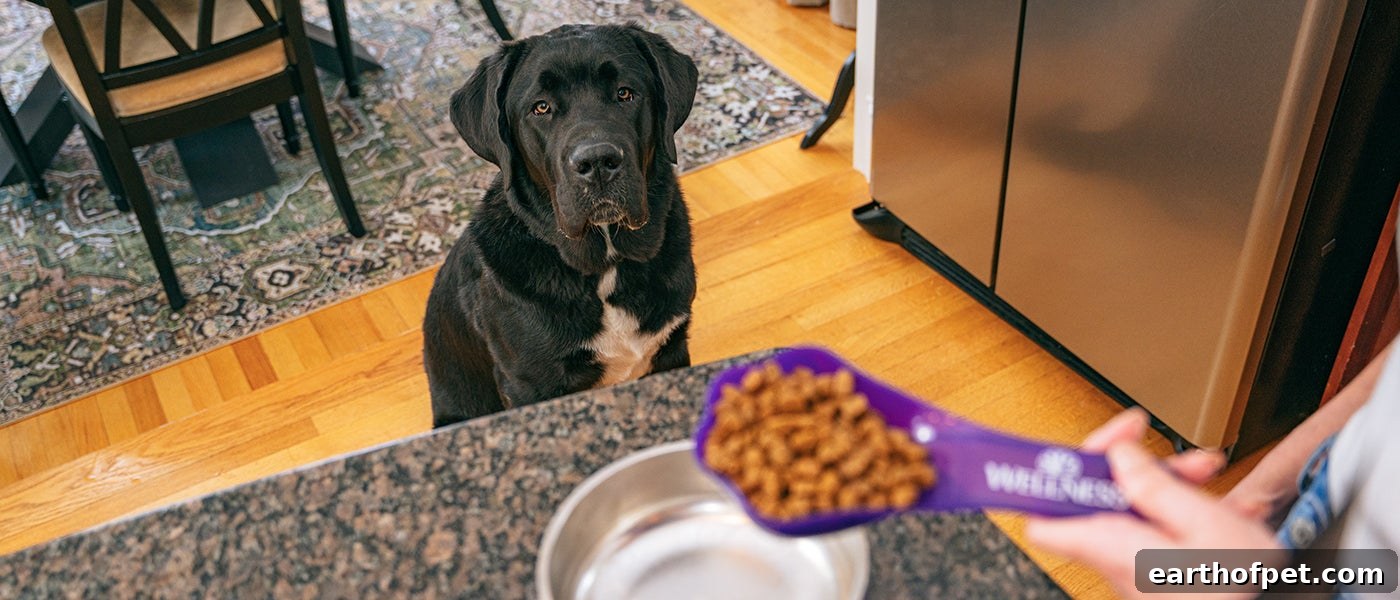
You care about keeping your pet healthy, and choosing nutritious food and treats can complement good hydration habits. Brands such as Wellness Pet Food offer premium recipes made with quality ingredients to support your pet’s wellbeing, but always consult your veterinarian to determine the best diet and care routine for your individual companion.