As Easter approaches, families everywhere plan celebrations, gatherings, and egg hunts. Amid the fun and festivities, it’s essential to protect our dogs from common seasonal hazards. With some planning and attention, you can keep your dog safe while still enjoying holiday traditions.
This article outlines practical steps for Easter pet safety, the importance of regular veterinary care, and how technology can support ongoing canine health monitoring. These strategies help prevent accidental poisonings, injuries, and stress that can accompany holiday activity.

Ensuring Pet Health During Easter
Easter treats and decorations can create unexpected risks for dogs. Chocolate contains theobromine, a compound toxic to dogs even in relatively small amounts depending on the dog’s size. Ingesting chocolate can cause vomiting, diarrhea, increased heart rate, tremors, and in severe cases, seizures.
Beyond sweets, holiday plants, floral arrangements, and decorative items may be harmful if chewed or swallowed. Many common flowers used at Easter can irritate the mouth or cause gastrointestinal upset; some are more toxic and require urgent veterinary attention. Small candy wrappers, foil, plastic grass, and decorative eggs also present choking hazards or can lead to intestinal blockages.
“Poison reports for dogs surge by a significant margin at Easter: it’s not only the chocolate that can be dangerous—some popular holiday flowers and decorations can cause severe poisoning.”
USA TODAY, Mary Walrath-Holdridge
To reduce risk, store all food, candy, and decorations out of reach. Keep trash secured, supervise guests who may offer treats, and avoid leaving unattended baskets or displays at dog level. If your dog has a history of scavenging, consider a closed room or crate during peak activity times.
Canine Health Management
Proactive health management keeps dogs resilient year-round, including during holidays. Regular veterinary visits help identify emerging problems early, keep vaccinations and parasite prevention up to date, and ensure dental health and weight are monitored. These routine check-ups are key to preventing small issues from becoming emergencies.
Core preventive measures include timely vaccinations appropriate for your dog’s age and lifestyle, flea and tick control, heartworm prevention where relevant, and dental care. Maintaining a consistent feeding and exercise routine also supports digestive and behavioral stability during busy holiday weekends.
If you suspect your dog has eaten a toxic substance or is showing signs such as repeated vomiting, difficulty breathing, severe lethargy, seizures, or uncontrolled bleeding, contact your veterinarian or a pet poison helpline immediately. Quick action can make a major difference in outcomes.

The Role of Technology in Pet Health
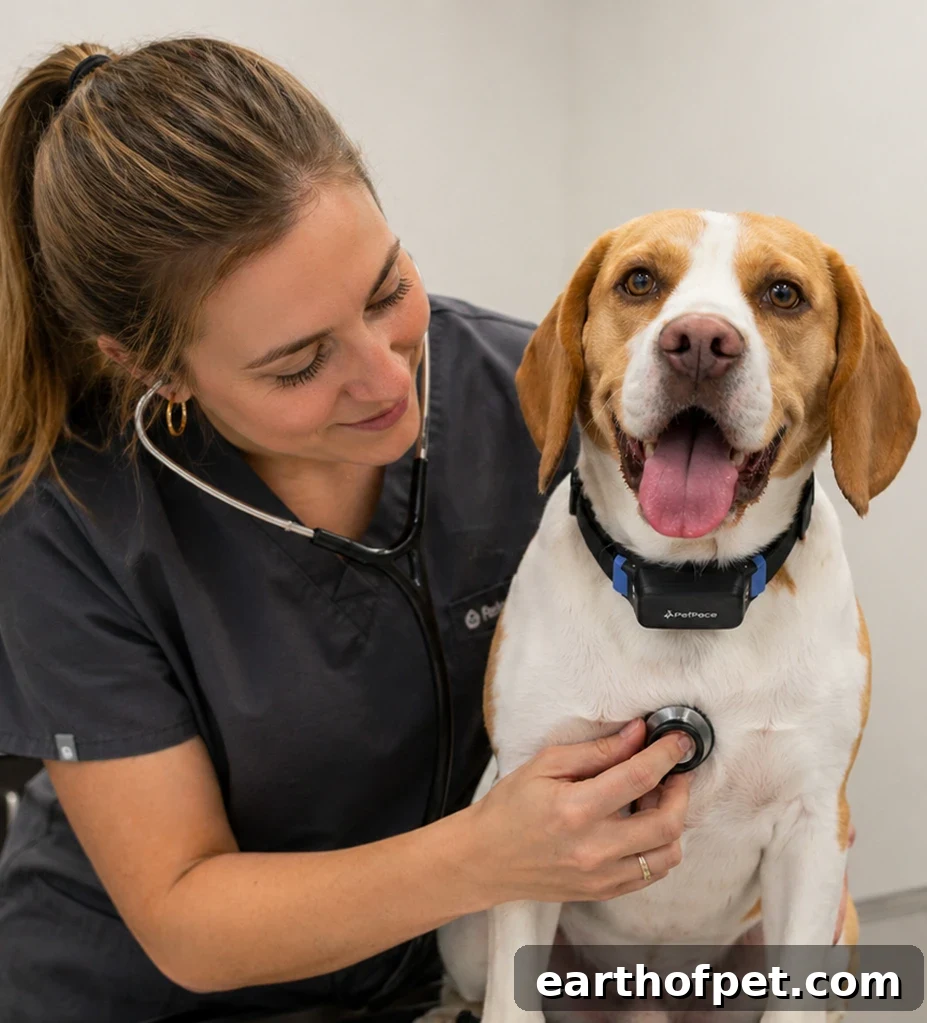
Modern pet health technology gives owners practical tools to monitor their dog’s wellness between veterinary visits. Wearable devices and smartphone apps can track activity levels, sleep patterns, and other behavioral markers. Sudden changes in activity or rest may prompt earlier veterinary evaluation and can help detect health changes sooner.
These solutions are especially useful for monitoring seniors and dogs with chronic conditions. Activity trackers can verify whether an injured or recovering dog is resting appropriately, and some systems can store longitudinal data that your veterinarian can review to better assess trends over time.
The PetPace Advantage
PetPace is an example of a comprehensive monitoring system that tracks vital signs, activity, and behavior. By collecting continuous data, devices like PetPace help owners and veterinarians spot deviations from normal patterns, supporting earlier intervention when something looks amiss. Used alongside routine veterinary care, these tools add another layer of protection for your pet.
Your Dog’s Health This Easter
Enjoy the holiday while keeping your dog safe by planning ahead: secure hazardous items, supervise interactions with guests and children, and maintain regular health routines. Schedule vet check-ups as needed, stay current on preventive treatments, and consider health-monitoring technology to keep a closer eye on your dog’s well-being.
With thoughtful preparation and attentive care, you can celebrate Easter while protecting your canine companion. A little foresight goes a long way toward a safe, happy holiday for the whole family.