Types of Stress in Cats:
Acute stress
Acute stress is often easy for cat owners to spot. Think of moments like a visit to the veterinary clinic, introducing a new pet to the household, moving to a new home, or unexpected loud noises. These short-lived events provoke an immediate stress response that usually resolves once the trigger passes.
Chronic stress
Chronic stress is subtler and more easily missed. It builds over time from ongoing sources such as unresolved medical issues, inconsistent routines, overcrowding, or environmental instability. Because changes in behavior, appetite, grooming or litter box habits can happen gradually, owners may not notice the problem until it affects the cat’s health or behavior. While short-term stress is manageable, prolonged stress can contribute to behavioral issues and physical illness.
10 Tips To Help Reduce Your Cat’s Stress:
Below are practical, everyday strategies to reduce stress in cats and support their well-being. These tips address health, environment, social needs and routines—key areas that influence a cat’s comfort and resilience.
1. Maintain Your Cat’s Health
Regular veterinary check-ups are essential. Annual wellness visits help detect medical problems early, when treatment is most effective. At home, stick to reliable preventive care: balanced nutrition appropriate for your cat’s age and health, parasite control, dental hygiene, grooming and nail care. Good baseline health reduces susceptibility to stress and illness.

2. Less-Stressful Veterinary Visits
Many cats avoid veterinary care because the visit itself causes anxiety. Make carriers part of the home environment by leaving one out and placing treats near it so it feels familiar rather than threatening. On clinic days, cover the carrier with a towel to give the cat privacy and hold the carrier off the floor if possible. If the carrier separates into top and bottom, you can often let the cat stay in the bottom portion during the exam to reduce fear.
3. Consistent Cat Training
Consistency in rules and handling reduces confusion and stress. When everyone in the household follows the same expectations—about furniture access, play, or mealtime behavior—the cat learns what to expect. Use gentle training methods and rewards rather than punishment to build trust.
4. Create a Peaceful Mealtime
Feeding is a routine that should feel safe and pleasant. Offer high-quality food suited to your cat’s life stage and health needs. Use bowls that don’t press on whiskers, keep feeding areas clean, and locate food in a quiet spot away from sudden noises. Many cats prefer water and food slightly separated. In multi-cat homes, provide individual bowls and, if needed, separate feeding spaces to prevent resource guarding and reduce anxiety.

5. Your Cat’s Social Interaction
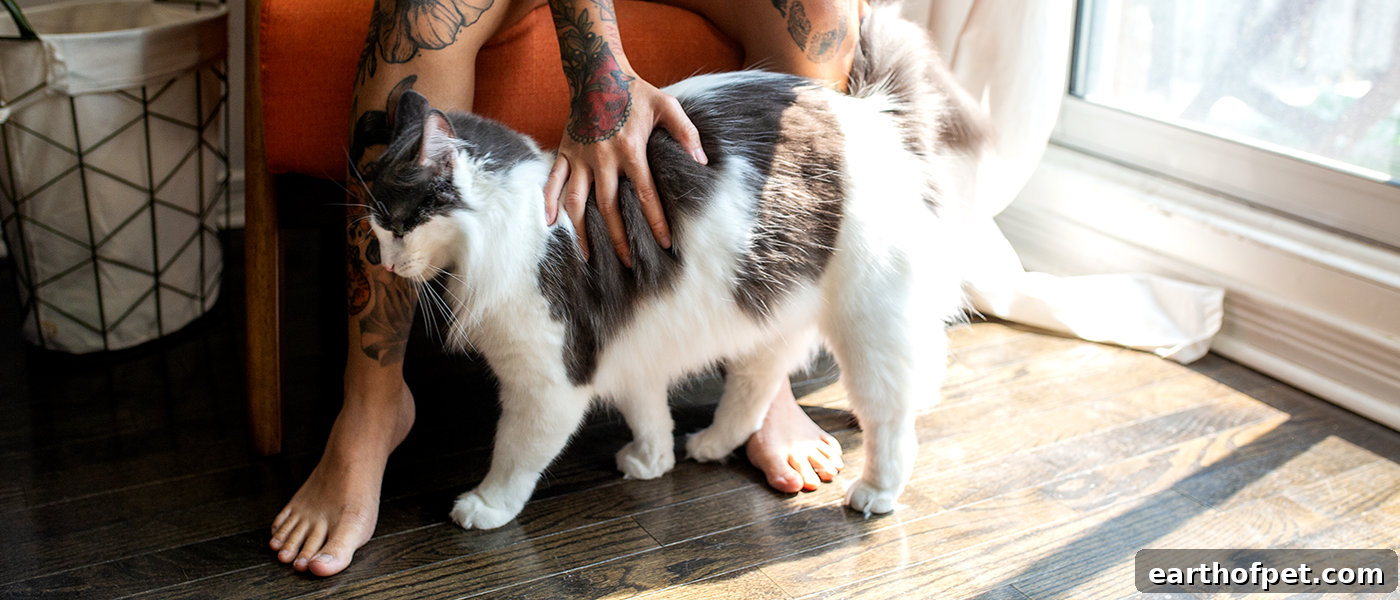
Respect your cat’s social boundaries. Never force affection or prolonged handling; allow the cat to choose when to interact. Encourage positive social behavior with treats and play, but keep the cat in control of the interaction. If your cat tolerates being held, put them down before they begin to struggle to avoid creating negative associations.
6. Happy Litter Box Set-up
A comfortable, clean litter box is fundamental. Choose a box that is about one and a half times your cat’s length and use a texture they prefer—many cats like soft, scoopable litter. Scoop at least twice daily and place boxes in quiet, accessible locations. In homes with multiple cats, provide several boxes—generally one more than the number of cats—spread throughout the house to reduce conflict and stress.
7. Environment and Resources
Cats appreciate vertical space and options for hiding or observing. Provide cat trees, shelves, perches and enclosed hideaways so each cat can claim a preferred territory. Ensure there are multiple resting, hiding and feeding locations so cats don’t feel forced to share the same spots. Thoughtful placement of resources helps reduce competition and improves harmony in multi-cat households.
8. Cat Communication
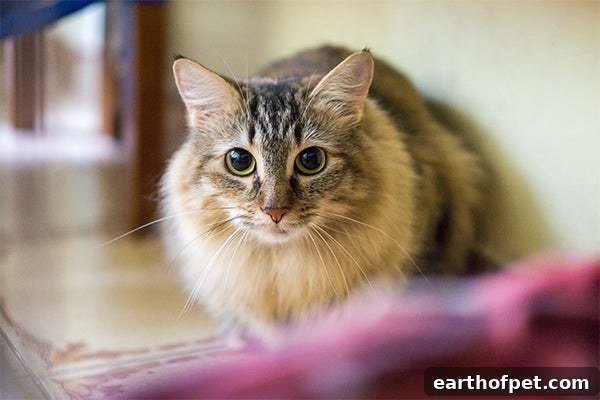
Learn to read your cat’s body language. Tail position, ear orientation, vocalizations and posture convey whether your cat wants attention, play, or solitude. Observing and responding to these signals helps you provide the right type of interaction at the right time, reducing misunderstandings and stress.
9. Stress-Reducing Playtime
Daily interactive play provides physical exercise and mental stimulation, releases endorphins, and builds positive associations with people and the home environment. Use toys that encourage stalking and chasing to satisfy natural instincts. For times when you’re not home, offer puzzle feeders, tunnels and safe toys to keep your cat occupied and mentally engaged.
10. Less-Stressful Life Transitions
Whenever possible, introduce changes gradually. Whether adding a new pet, rearranging furniture, or adapting to a new baby, slow, step-by-step introductions help cats adjust. Provide familiar items like bedding and toys, and allow time for the cat to explore new situations at their own pace. A calm, patient approach makes transitions easier for both cat and owner.