We’ve all been there—or we know someone who has. Everything seemed normal: your dog was eating, walking, and following you around the house. No limping, no whining, no obvious sign that anything was wrong. Then, later—sometimes days or weeks—you realize something had quietly started to change.
Can Dogs Show Signs of Pain Even If They Act Normal?
Yes. That’s exactly why signs of pain in dogs are often so easy to miss. People tend to expect dramatic symptoms—limping, vocalizing, or refusing to move—but many dogs hide discomfort and continue their routine. They may eat, go for walks, and respond to you while subtly changing the way they move or behave.
What Are the Subtle Signs of Pain in Dogs?
Early signs of pain are usually small and gradual. Individually, these changes don’t always seem urgent, but together they can indicate something more serious. Watch for:
- Sleeping more than usual or seeming unusually lethargic
- Moving more slowly on walks or taking shorter routes
- Hesitating to jump up, climb stairs, or get in and out of the car
- Becoming less social, or conversely, more irritable or withdrawn
- Eating normally in quantity but with less enthusiasm
- Subtle changes in posture or a guarded stance when resting
These behaviors are often easy to explain away—“she’s getting older,” or “he’s just tired today”—which is why early warning signs can go unaddressed.
Why Do Dog Owners Miss Early Signs of Pain?
We make reasonable explanations for small changes. A single off day is normal, and small differences in behavior rarely trigger immediate concern. Because the shifts are gradual and often subtle, it’s easy to assume they’re temporary. But repeated or persistent changes over days or weeks deserve closer attention.
Why Do Dogs Hide Signs of Pain?
Dogs are instinctively wired to hide discomfort. In the wild, showing weakness can make an animal vulnerable, so domestic dogs often mask pain even in a safe home environment. Rather than exhibiting dramatic signs, they adapt: they favor a limb, alter how they get up, rest more, or avoid certain actions without making a fuss. This quiet adaptation keeps pain from being obvious to casual observation.
When Should You Be Concerned About Signs of Pain in Dogs?
A single change in behavior usually isn’t cause for alarm. Patterns are what matter. If you notice repeated or progressive shifts—consistent slowing, increased resting, reluctance to perform normal activities, changes in mood or appetite—schedule an evaluation with your veterinarian. Persistent or worsening signs are a signal that your dog should be checked.
How Can You Tell If Your Dog Is in Pain?
There isn’t always one clear answer. One of the most reliable indicators is your intuition: something feels off. You know your dog’s normal behavior better than anyone, so trust your observations. Combine that intuition with specific notes—when the change started, how often it occurs, what activities are affected—and share that information with your vet.
Practical Steps to Monitor and Respond
To catch subtle problems early, try these simple steps:
- Keep a brief daily log of activity, mood, sleep, and appetite changes.
- Note specific activities that cause hesitation—stairs, jumping, getting up.
- Record changes in pacing, how often your dog rests, and any shifts in interaction with family members or other pets.
- Take short videos showing movement or reluctance—visual evidence can help your veterinarian assess the issue.
- If you detect a pattern or if your dog’s behavior worsens, contact your veterinarian for guidance.
The Takeaway: Recognize Pain Before It Becomes Obvious
Often there isn’t a single dramatic moment when everything changes. Instead, subtle signs appear over time and are easy to overlook. Paying attention to consistent changes in activity, rest, and behavior helps you spot problems earlier. Early detection allows for earlier diagnosis and treatment, which can improve comfort and quality of life for your dog.
A New Way to Notice What’s Hard to See
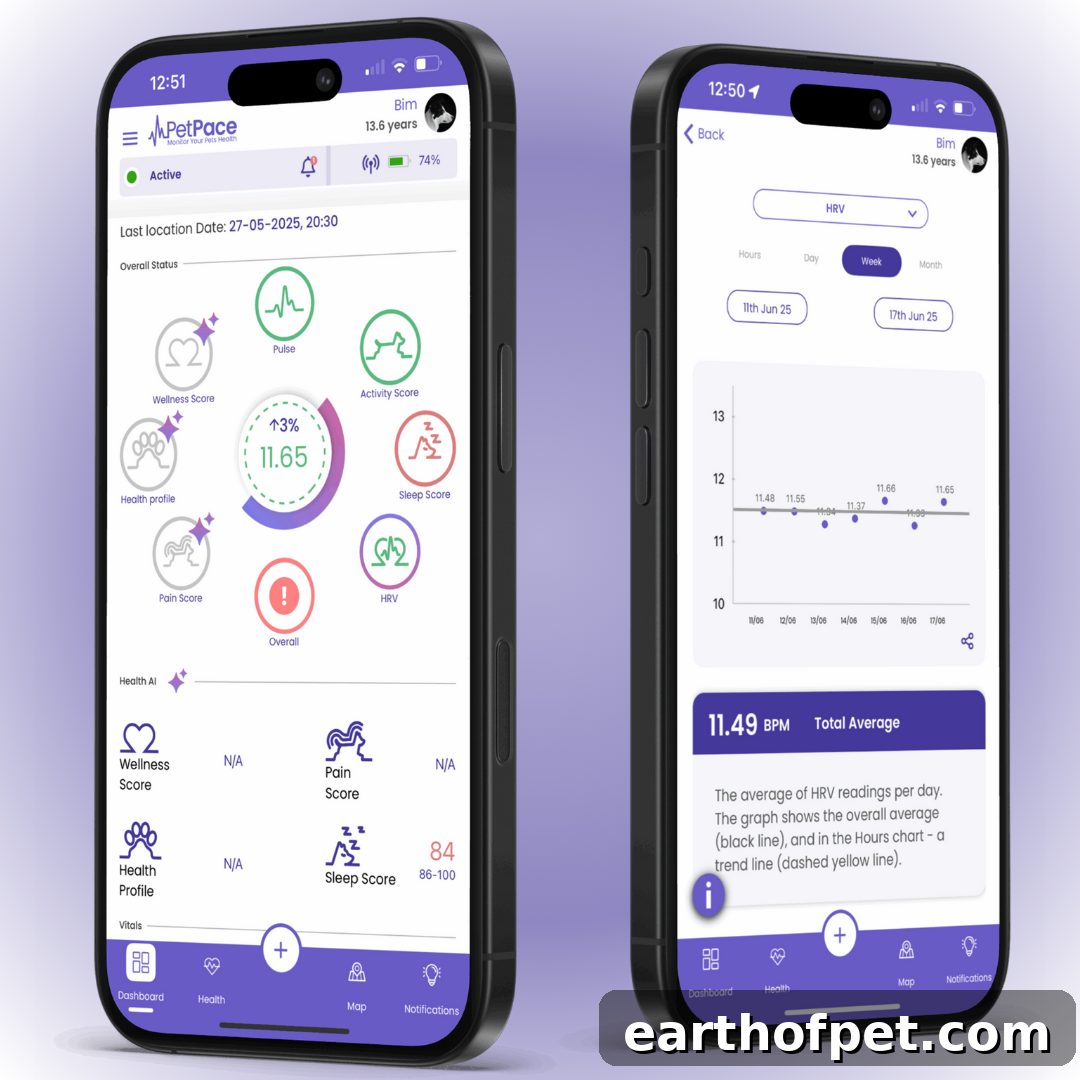
Because gradual changes are difficult to track day by day, many owners now focus on patterns over time—changes in activity levels, rest, sleep quality, and behavior. Tools that monitor activity and vital signs can help reveal trends you might miss by observation alone. These tools are meant to support, not replace, your instincts and regular veterinary care. If something feels off, document it, monitor for patterns, and consult your veterinarian. Trusting your judgment and responding early can make a meaningful difference in your dog’s health and comfort.