Pet Seasonal Allergies
If you experience seasonal allergies, you probably know how uncomfortable they can be when the seasons shift. Dogs and cats can suffer from environmental allergies too, and their symptoms often worsen during spring and fall. These seasonal flare-ups are caused by pollens, molds and other allergens that become more prevalent as plants bloom or leaves decompose.
Below, Wellness veterinarian Dr. Al Townshend explains common causes, signs and practical steps pet parents can take to identify and manage allergies in dogs and cats.
Q. Why do pets’ allergies often worsen in spring and fall? What environmental factors are involved?
A. Seasonal increases in airborne allergens explain why many pets start itching or sneezing more in spring and fall. In spring, trees, grasses and other plants release large amounts of pollen. In the fall, weeds such as ragweed and goldenrod often pollinate, and damp conditions from fallen leaves and compost piles can increase mold spores. Temperature and humidity fluctuations during these transitional seasons can also intensify allergic responses, making symptoms more noticeable.
Q. What are the common symptoms of seasonal allergies in dogs and cats?
A. Seasonal environmental allergies in pets usually present with skin and respiratory signs. Typical symptoms include:
- Persistent itching and scratching, often focused on the face, paws, belly and armpits
- Red, irritated or inflamed skin and recurring “hot spots”
- Excessive licking or chewing of paws and skin
- Watery or runny eyes and nose, and frequent sneezing
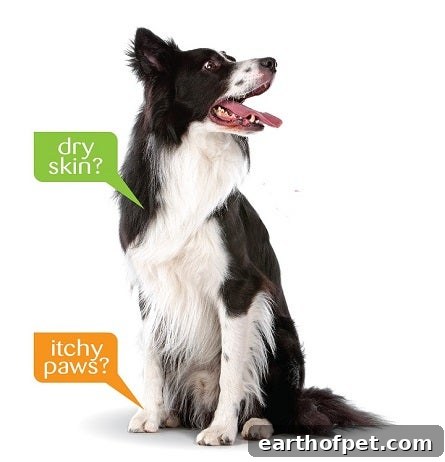
- Dry, flaky or dull coat
- Ear inflammation or recurrent ear infections in some animals
These signs can overlap with food allergies and parasite-related irritation, so careful observation and veterinary guidance are important to establish the cause.
Q. How can you tell whether a pet’s allergy is environmental or food-related?
A. Differentiating environmental allergies from food allergies often requires tracking timing and triggers. Key differences include:
- Seasonality: Environmental allergies typically worsen at certain times of year (spring or fall), while food allergies usually cause persistent symptoms year-round as long as the pet consumes the offending ingredient.
- Symptom pattern: Food allergies commonly affect the skin and gastrointestinal tract, while environmental allergies frequently show marked seasonal respiratory or skin irritation.
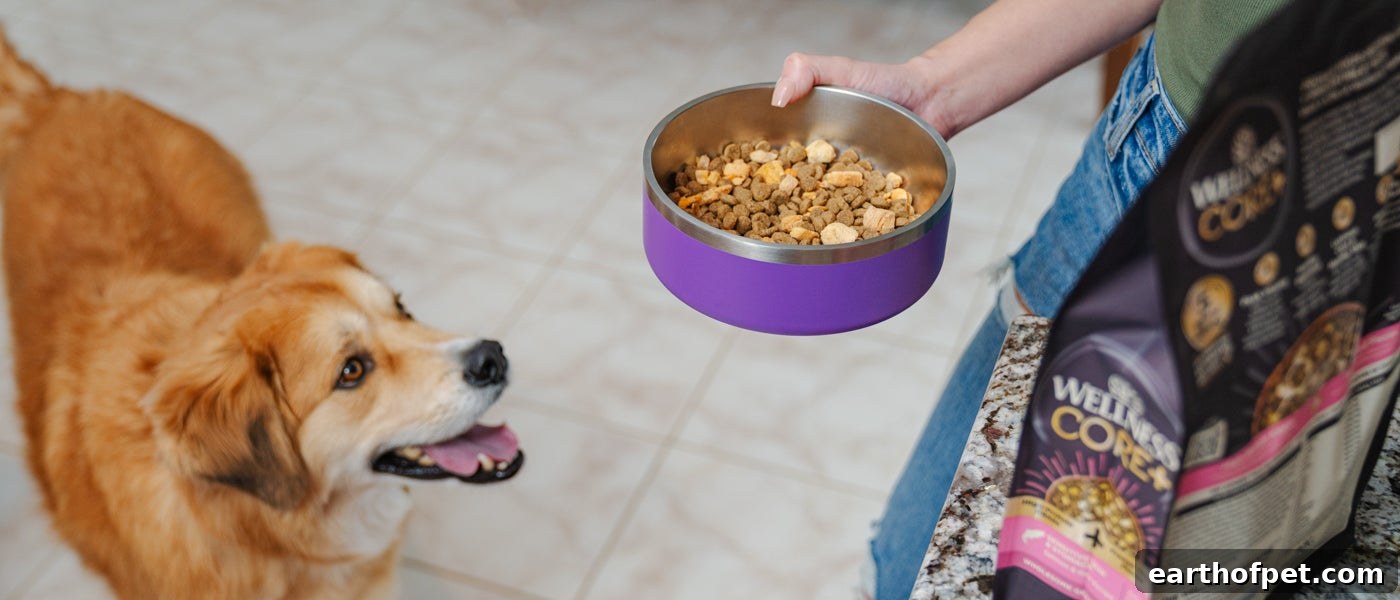
To investigate, keep a detailed symptom diary noting dates, diet changes, grooming products used and environmental conditions. If symptoms correlate with seasonal pollen peaks despite a stable diet, an environmental allergen is more likely. If symptoms persist year-round, discuss an elimination diet or limited-ingredient food trial with your veterinarian to evaluate for food-related causes. Whether testing for food or environmental triggers, change only one variable at a time and allow several weeks to months for improvement after removing a suspected allergen.
Q. What practical steps can pet parents take to reduce seasonal allergy symptoms?
A. While it’s difficult to completely prevent exposure to seasonal allergens, these measures can reduce your pet’s contact with triggers and help control symptoms:
- Limit outdoor time during peak pollen hours (typically early morning and late afternoon) and avoid high-pollen areas like fields and tall grasses.
- Keep windows and doors closed when pollen counts are high and use air conditioning with a clean filter to reduce indoor pollen and mold spores.
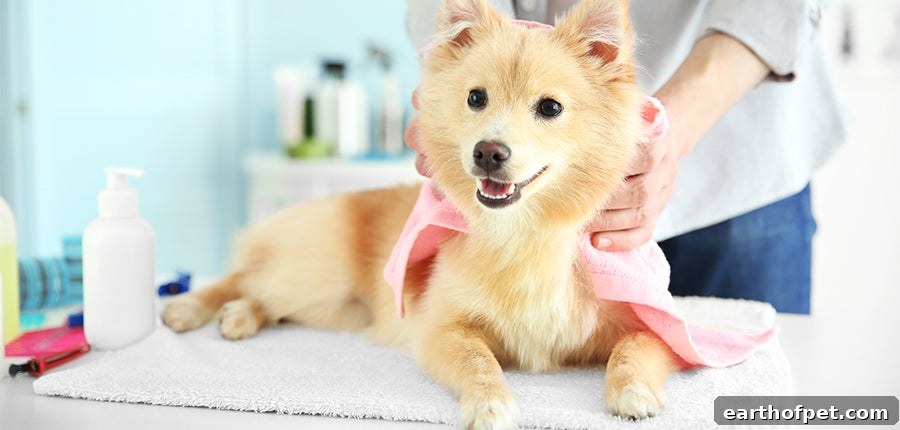
- Regularly bathe pets with a gentle, vet-recommended cleanser to remove allergens from the coat and skin; brushing outdoors and wiping paws and coat after walks helps too.
- Promptly remove fallen leaves, yard debris and excessive moisture from gutters and compost areas to reduce mold growth.
- Maintain flea control and good ear-care practices, since secondary infections and parasites can worsen allergic skin disease.
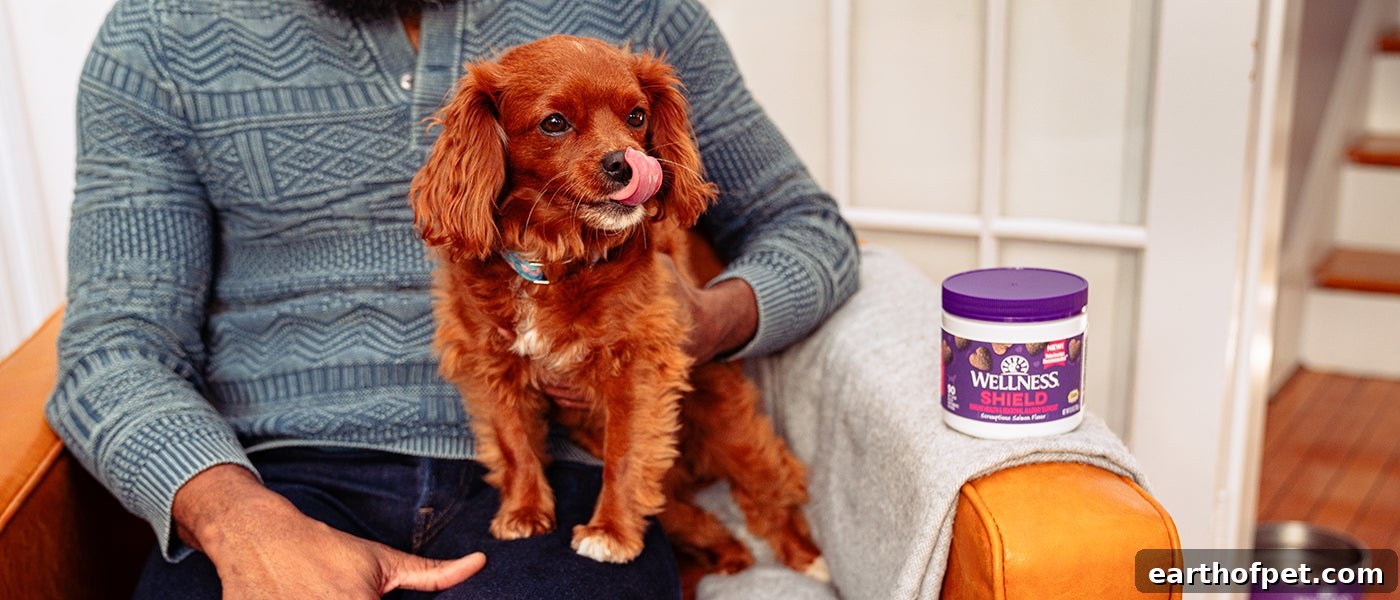
- Consider supplements such as omega-3 fatty acids and skin-supporting diets under veterinary guidance to help skin health and coat condition.
If these environmental strategies don’t adequately control symptoms, your veterinarian can recommend medical options tailored to your pet, such as antihistamines, anti-inflammatory medications, medicated shampoos, ear treatments, or allergy-specific immunotherapy after appropriate testing.
Seasonal allergies can be frustrating for pets and owners, but with careful observation, environmental management and collaboration with your veterinarian, you can identify triggers and create a practical plan to reduce discomfort and help your dog or cat feel better throughout the year.