Put up the flags and start knitting tiny booties—your dog is pregnant. That initial excitement often gives way to questions and worry: what’s normal, what’s not, and when will the puppies arrive? This guide walks you through the typical dog pregnancy timeline, symptoms to watch for, and practical care tips so you know what to expect when your dog is expecting.
Learn More About Monitoring Your Dog’s Pregnancy With PetPace 2.0
Behavioral Signs of a Pregnant Dog
Dogs respond to pregnancy in different ways. Some show almost no change in behavior, while others become quieter, clingier, or seek solitude. Much depends on her personality and how much reassurance she typically looks for from you. Knowing your dog’s normal behavior makes it easier to spot changes.
Around the midpoint of pregnancy (about days 30–35) many females show a doggy version of morning sickness: reduced appetite, nausea, and occasional vomiting. If pregnancy has not been confirmed and you see these signs, consult your veterinarian—similar symptoms can be caused by a serious uterine infection in non-pregnant dogs. In the later stages, the growing uterus compresses the stomach and bladder, so your dog will rest more, eat smaller meals, and need more frequent bathroom breaks.
As whelping approaches some dogs start digging or nesting. Don’t stop this behavior abruptly; instead, provide a quiet, comfortable, secluded whelping area with pillows and towels where she feels safe. Two reliable early clues that labor is near are increased restlessness and a drop in body temperature.
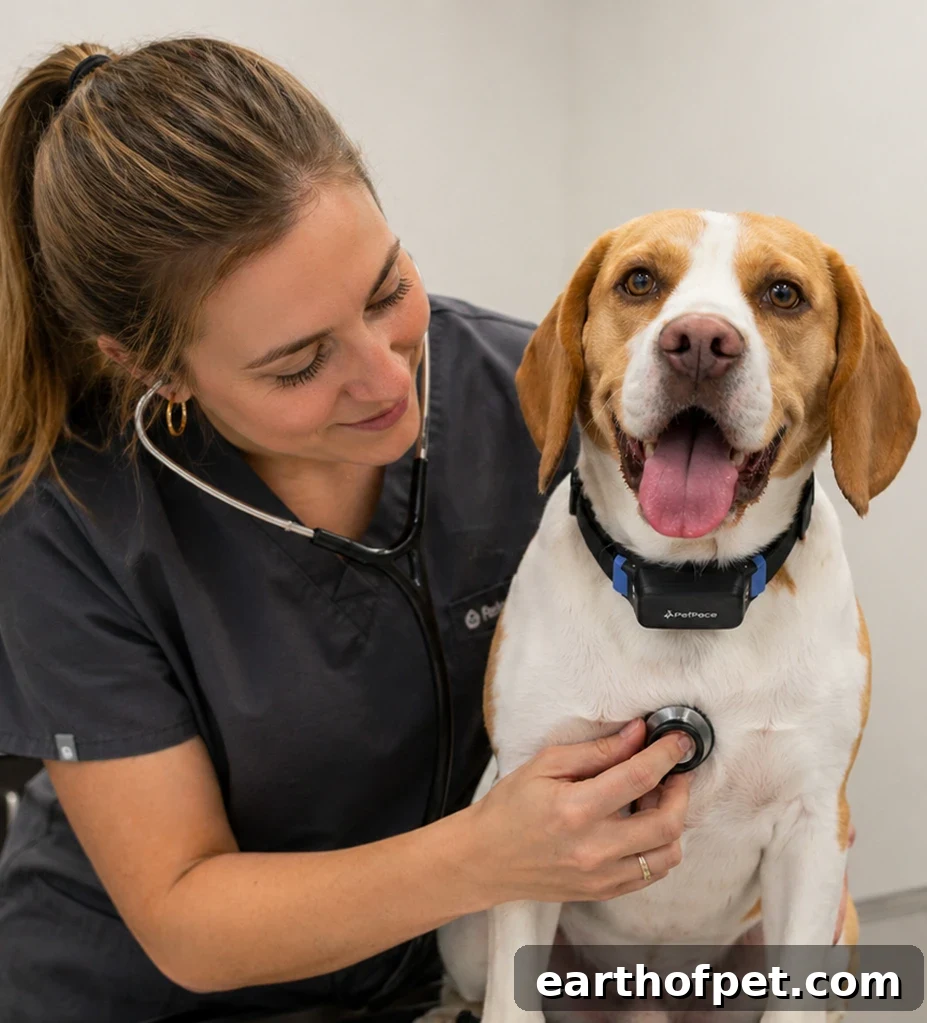
Devices such as the PetPace collar can be helpful because they track behavior and vital signs continuously, alerting you to significant changes in activity, temperature, heart rate, and position as the due date nears.
Dog Pregnancy Stages: Day by Day
Below is a clear week-by-week timeline of what to expect during your dog’s pregnancy.
Week 1: Days 0–7
After mating, most dogs show no immediate signs. Hormone changes are just beginning and behavior usually remains normal. Carry on with usual routines and avoid stressors.
Week 2: Days 8–14
Progesterone starts to rise. You might notice the coat becoming glossier as hairs enter a growth phase. Some dogs may become sleepier or slightly moody, but many act normally. Avoid increasing food portions now—overfeeding early in pregnancy raises the risk of complications during labor.
Week 3: Days 15–21
One of the first physical signs can appear: pinker, slightly enlarged nipples. It’s still early to be certain, so don’t assume pregnancy until confirmed. Gentle exercise is fine, but avoid strenuous activity and overheating.
Week 4: Days 22–28
This is the first window for reliable confirmation: ultrasound can reveal developing fetuses. By now the embryos have spinal cords and forming faces. Do not handle her abdomen roughly; improper pressure can cause miscarriage.
Week 5: Days 29–35
From about day 28 a blood test can confirm pregnancy. Between days 28–35 a veterinarian may be able to palpate the uterine swellings before they are fully cushioned by fluid. The dog can still exercise but avoid overexertion.
Week 6: Days 36–42
Start to reduce intense activity. Now is the time to switch her food to a high-quality puppy formula to meet increased calorie and nutrient demands. You may notice a visible belly and enlarged mammary glands. Some dogs experience nausea or produce a white, mucus plug at the vulva; this can be normal, but any bloody, foul, or discolored discharge needs immediate veterinary attention.
Week 7: Days 43–49
Fetal skeletons are developed enough to appear on x-rays; your vet may recommend radiographs to count puppies, which helps during labor to ensure all pups are delivered. You may begin to feel or see movement as the puppies shift inside. Expect increased fatigue and more frequent urination.
Week 8: Days 50–56
Puppies are growing rapidly and take up most of the abdominal space. Nesting behaviors increase. Feed smaller, more frequent meals since her stomach is compressed, allow gentle walks, and provide plenty of rest and bathroom breaks.
Week 9: Days 57–63
For an average-length pregnancy (about 63–65 days) this is the final week. The puppies are active and their movement may ripple the mother’s sides, making her restless. Monitor her body temperature—when it drops, whelping often follows within 24 hours.
Week 10: Days 64–70
Some breeds can carry slightly longer. If she goes past her expected due date, contact your veterinarian to plan next steps and discuss the timing of a potential cesarean if labor does not start naturally.
Frequently Asked Questions about Dog Pregnancy
How long is an average dog pregnancy?
Pregnancy length in dogs varies. Healthy pregnancies typically last from 58 to 71 days, with an average around 63–65 days. If your dog reaches 65 days without signs of labor, notify your veterinarian for guidance.
Can the mother still play fetch?
Early in pregnancy she can usually continue normal activities, provided it’s not hot. Heat stress can be dangerous and could increase the risk of miscarriage. As her abdomen grows, reduce activity to gentle walks and avoid strenuous play.
When can you feel puppies moving?
You may begin to see or feel movement around week seven. Canine fetuses are each surrounded by two fluid-filled sacs, so individual puppies can feel like soft, mobile masses rather than distinct shapes. As they grow, you’ll notice the mother’s belly ripple as they change position.
How should I palpate the abdomen safely?
To check for movement, rest the flat of your palm gently against her flank or belly and wait for motion. Never prod with your fingertips or apply pressure. Your veterinarian is trained to perform safe abdominal palpation.
Should I give vitamin or mineral supplements?
A balanced, high-quality diet (switching to puppy food in the last third of pregnancy) usually supplies all necessary nutrients. Do not give calcium supplements during pregnancy—this can increase the risk of eclampsia (milk fever) after birth by disrupting the body’s calcium regulation and may lead to seizures. Consult your veterinarian before adding any supplements.
When should I increase her food?
Delay increasing calories until the final third of pregnancy. Early weight gain raises the risk of labor complications. Switch to a nutrient-dense puppy food in the last trimester and offer smaller, frequent meals to accommodate her compressed stomach.
Can I bathe a pregnant dog?
Yes, but take care when lifting her and prevent slipping. If she is very late in pregnancy or has a large abdomen, postpone bathing until after whelping if possible.
PetPace as a Pregnancy Monitor
A PetPace collar can be a valuable monitoring tool during pregnancy. It tracks heart rate, respiratory rate, temperature, heart rate variability, position, and activity. If patterns change—such as increased restlessness, elevated temperature, or other abnormalities—it can send alerts to your smartphone so you’re informed even when you’re away from home. While nothing replaces regular veterinary care, continuous monitoring offers extra reassurance during this critical time.