As you prepare to return to the office, planning how to keep your dog mentally and physically engaged while you’re away will make the transition easier for both of you. Filling a toy box with a mix of comfort items, puzzle toys, and action-focused playthings helps prevent boredom, reduces anxiety, and encourages healthy independent behavior. Below is a practical guide to choosing toys that will keep your dog busy, happy, and safe until you come back home.
1. Comfort Toys
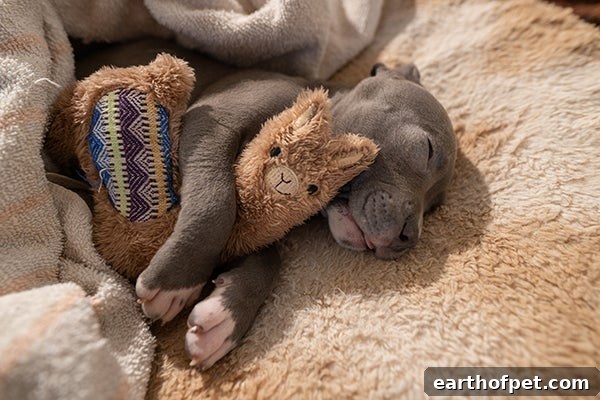
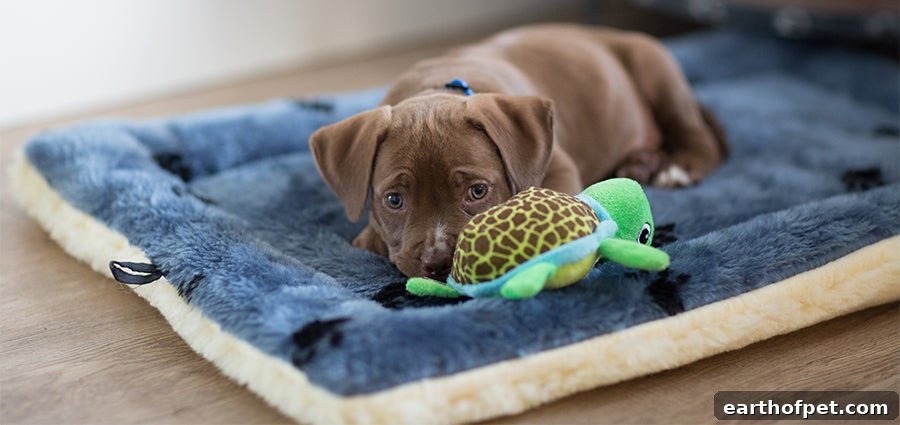
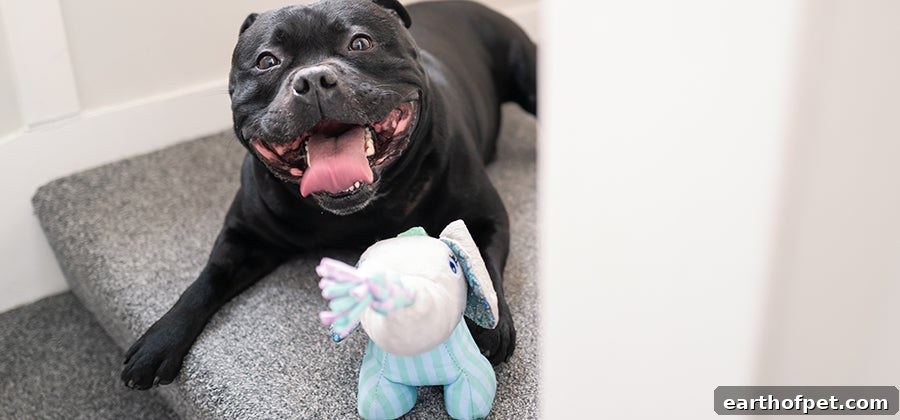
Comfort toys are soft, plush items that provide a sense of safety and companionship. These toys come in many shapes and sizes; small dogs often prefer larger, fluffier toys they can cuddle with, while larger breeds may favor sturdy plushes. Place a comfort toy in your dog’s bed or favorite resting spot so it becomes associated with relaxation and security.
Many comfort toys include squeakers, crinkle material, or fabric textures that appeal to dogs’ natural prey instincts. While some dogs will use these toys gently as loveys, others will treat them as prey and shake or tug at them vigorously. If you’re concerned about messy stuffing, consider “flatties” or stuffing-free plush toys designed to be durable and easy to clean.
When selecting a comfort toy, choose one with durable stitching and appropriate size for your dog. Inspect toys regularly for loose seams or torn fabric, and discard any toy showing signs of significant wear to avoid ingestion hazards.
2. Distraction Toys and Puzzle Games
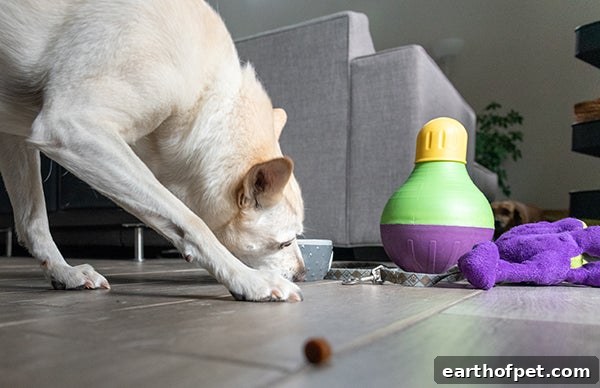
Distraction toys and puzzle feeders are designed to stimulate your dog’s problem-solving skills while keeping them occupied. These toys are typically made from durable, non-toxic rubber or plastic and can be stuffed with treats, kibble, or a dab of peanut butter. The challenge of extracting the reward keeps many dogs engaged for long stretches, which is ideal for times when supervision is limited.
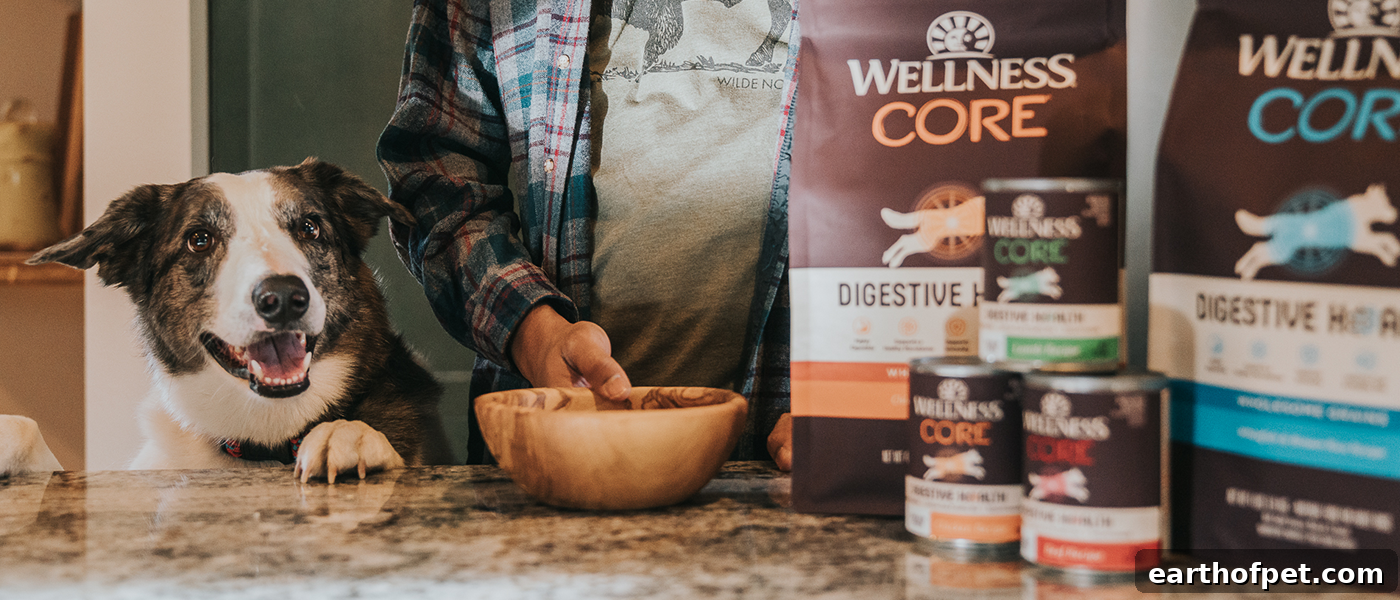
There are many styles and difficulty levels: slow-dispensing food toys, slide-and-lift puzzles, and wobbling treat holders that roll unpredictably. Start with an easier puzzle to build confidence, then increase complexity as your dog learns. Soft, chewy treats such as Wellness WellBites can work well in many distraction toys; they’re convenient for stuffing into compartments and rewarding sustained attention. Wellness WellBites are available in multiple flavors to suit different palates.
Always choose puzzle toys that match your dog’s size and chewing strength, and monitor first-time play sessions until you are confident the toy is safe for unsupervised use.
3. Action Toys
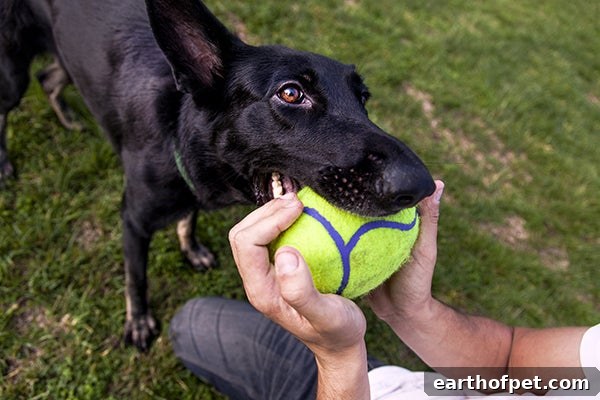
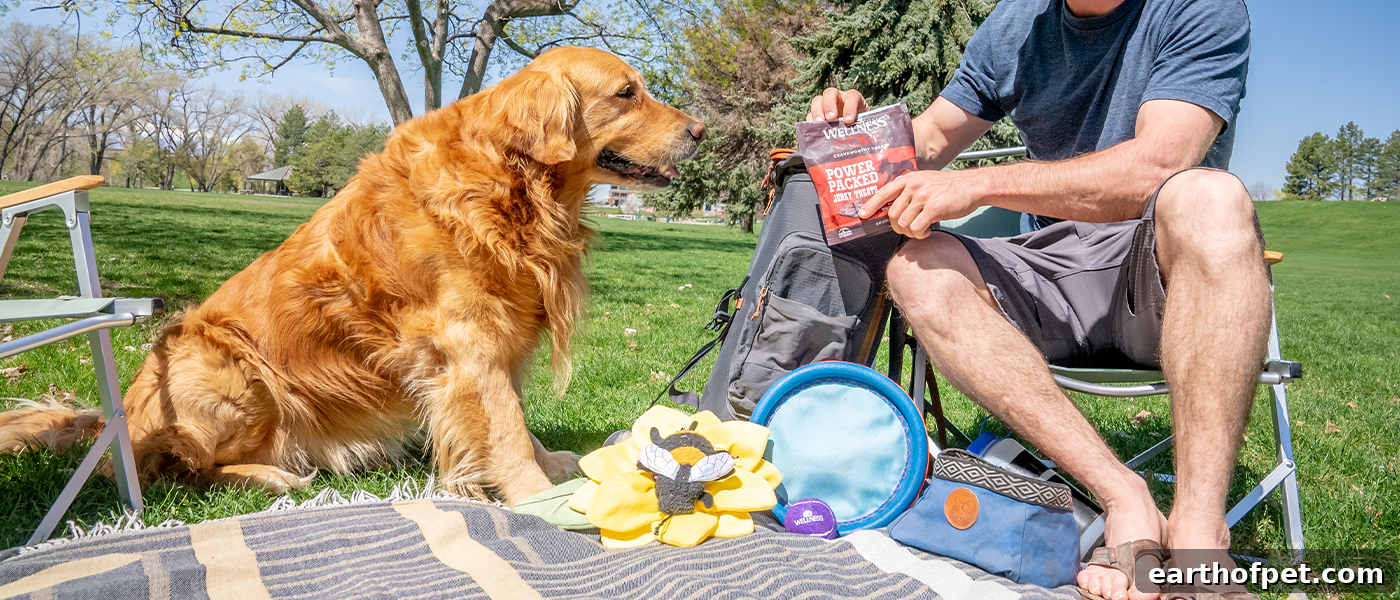
Action toys are anything that encourages active play—fetch, tug, and chase. Hard rubber balls, flying discs, high-bounce toys, and rope toys fall into this category. These items are perfect for interactive sessions when you’re home and can help burn excess energy through vigorous play.
Many action toys are best reserved for direct interaction with you or another person, especially ball launchers and tug toys. In multi-dog households, tug toys and durable ropes can support cooperative play, while fetch toys allow dogs to practice recall and focus during supervised exercise.
Keep action toys in good condition and remove any with frayed ropes, splits, or exposed cores. Because these toys often encourage biting and shaking, they should be inspected regularly to ensure safe play.
Tips on Managing the Toy Box
• Toy storage: Use an open-top toy box so your dog can choose a toy independently. Accessible storage encourages self-directed play and helps dogs feel in control of their environment.
• Rotate toys: Switching the selection every one to two weeks keeps interest high without constant spending. Simply rotating which toys are on top can make old toys feel new again.
• Hide-and-seek: Scatter toys around the house to create a treasure hunt. Hiding treats or toys in predictable spots encourages mental stimulation and natural foraging behavior.
• Cleaning and safety: Wash toys regularly and discard any showing signs of disintegration. Many rubber toys are top-shelf dishwasher safe, while plush toys can often be cleaned in a gentle cycle or surface-washed and air-dried.
• Keep backups: If your dog has a favorite toy they always prefer, keep a spare so you can replace it immediately if it becomes damaged.
Toys are more than simple playthings—they are tools for enrichment, bonding, and emotional well-being. A thoughtfully curated toy box that balances comfort, mental challenges, and active play helps reduce separation stress, promotes healthy habits, and keeps your dog entertained until you return home.
Do you use puzzle toys and treat-stuffing strategies in your dog’s enrichment plan? Many pet owners use treats like Wellness WellBites in distraction toys and love to see how creative their dogs can get. Share your playtime photos on social media with the hashtag #wellnesspetfood to connect with other pet owners and celebrate your dog’s favorite activities.