Dogs experience stress and anxiety much like humans. Loud noises, alarms, thunderstorms, fireworks, and unexpected disruptions can trigger measurable physiological reactions in their bodies. These reactions are not always obvious, and sometimes the effects last far longer than owners realize.
This article uses the example of a dog named Joy to illustrate how a sudden nighttime alarm triggered a stress response that continued long after the event ended. It also explains how continuous health monitoring can reveal hidden signs of anxiety and offers practical suggestions for owners who want to better understand and support their dogs.
How Do Dogs React to Sudden Stressful Events?
When dogs feel frightened or anxious, their nervous system activates a stress response. That response can be visible through behavior but also occurs internally. Common physiological and behavioral changes include:
- elevated pulse rate
- faster or shallower breathing
- restlessness or pacing
- disrupted sleep or changes in sleep patterns
- increased vocalization, hiding, or trembling
Some dogs show clear outward signs. Others may appear calm while their heart rate, respiration, and heart rate variability (HRV) indicate ongoing stress. Without tools that measure physiology, these invisible responses can be missed.
Joy’s Story: What Happened After a Sudden Alarm?
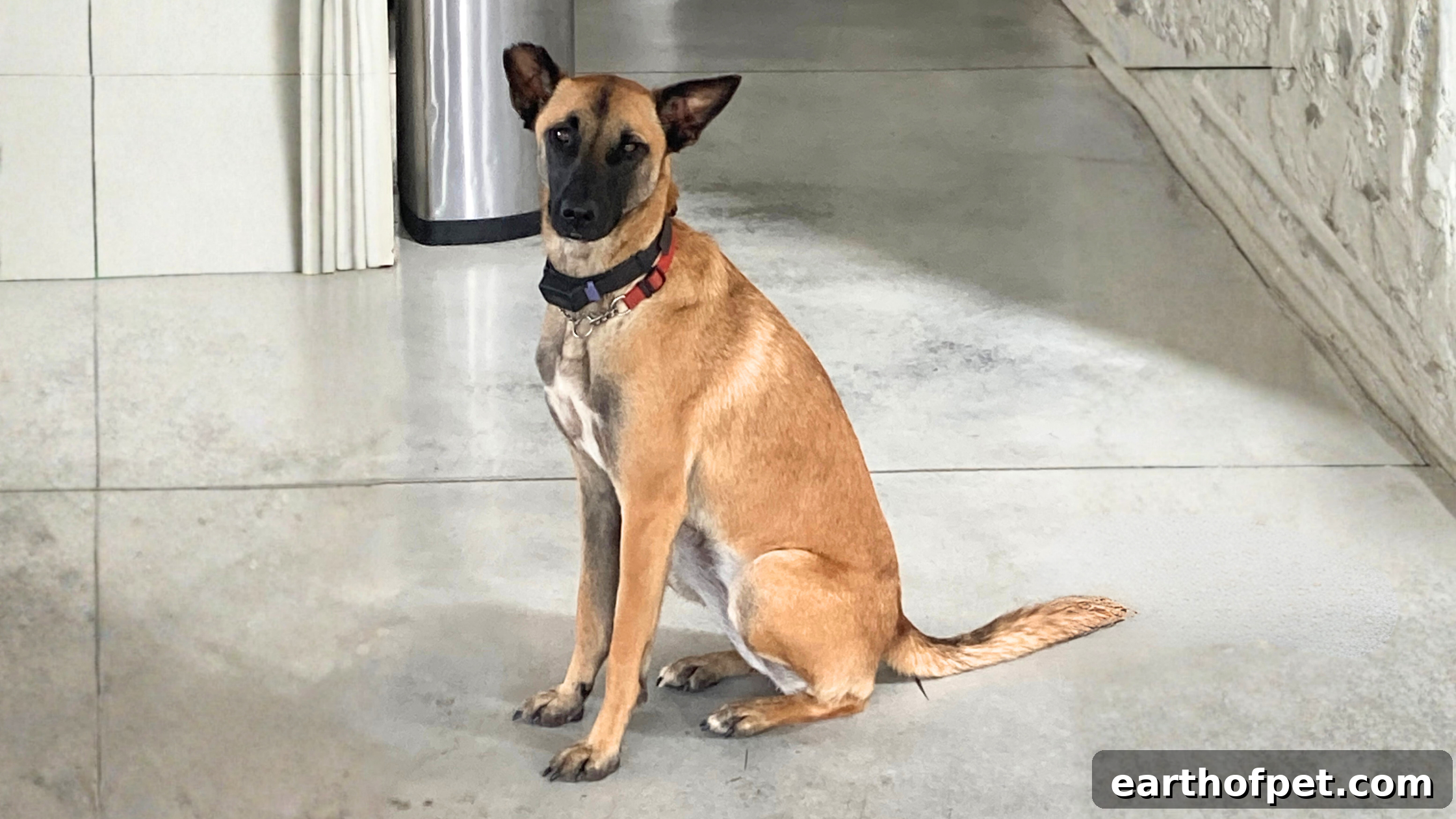
Joy was equipped with a health monitoring collar that recorded her vital signs. Around 1:20 AM, a sudden alarm sounded and her collar registered an immediate and sharp spike in pulse—an unmistakable stress response. The notable finding came later: rather than returning quickly to baseline, Joy’s average pulse remained elevated for several days after the alarm.
This sustained elevation suggested that the single event had a longer-term physiological impact. To Joy’s owners, she may have seemed relatively normal after the alarm stopped, but her internal data told a different story: her body was still recovering.
Can Stress Affect Dogs Even After the Trigger Is Gone?
Yes. The nervous system can remain activated beyond the immediate duration of a stimulus. Common triggers that can produce short- and long-term effects include:
- loud alarms and sirens
- fireworks
- thunderstorms
- construction or heavy machinery noise
- unfamiliar environments or travel
- nighttime disturbances or sudden household alarms
- significant changes in routine or household dynamics
Although these events often last minutes or hours, the physiological response may persist, leading to ongoing increases in heart rate, altered sleep, or reduced resilience. That lingering state helps explain why some dogs seem “off” for days after a stressful experience.
Why Are Some Signs of Anxiety Invisible?
Not all stress shows up as barking or pacing. Physiological markers such as pulse, respiration rate, sleep quality, and HRV often change without obvious behavioral cues. For example, a dog may rest quietly while their heart rate remains elevated, or their sleep cycles may be disrupted even when they appear to be sleeping.
Because these subtle changes are internal, they are frequently overlooked. Continuous monitoring can detect trends and anomalies that would otherwise remain unseen, giving owners a clearer, data-driven picture of their dog’s well-being.
How Can Pet Owners Better Understand Stress in Dogs?
Recognizing and responding to anxiety is easier when owners track patterns over time. Helpful approaches include:
- monitoring behavior and physiological data to identify recurring triggers
- noting recovery periods and how long it takes the dog to return to baseline after stress
- observing changes in sleep, appetite, and play behavior
- consulting with a veterinarian when prolonged changes are detected
- providing a consistent routine, safe spaces, and calming cues after stressful events
Collecting more information about how a dog responds to the environment makes it easier to support both emotional and physical health. For many owners, combining close observation with technology provides the most complete picture.
What Can We Learn From Joy’s Experience?
Joy’s case underscores an important reality: outward calm does not always mean the stress is over. Physiological data can reveal ongoing responses that are invisible to the eye. Continuous health monitoring helps uncover hidden stress, track recovery, and guide interventions that improve a dog’s long-term wellness.
By paying attention to both behavior and physiology, owners can better understand their dogs’ needs, recognize when professional help may be necessary, and create environments that reduce chronic stress. Simple steps—such as creating a quiet retreat, maintaining consistent routines, desensitization training for known triggers, and working with a veterinarian—can all support recovery.
Understanding the full picture of canine stress and recovery can transform how we care for our dogs and ultimately improve their quality of life. Monitoring trends over time rather than relying solely on momentary behavior allows owners to make more informed, compassionate decisions about their pets’ health.