Summer is here, and for many pet owners that means more time outdoors, play, and walks in the sun. While warm weather brings joy, it also brings risks: overheating, dehydration, sunburn, and heat stroke can affect dogs, cats, and other companion animals. Use these practical summer pet safety tips to keep your pet comfortable, healthy, and safe when temperatures rise.
What Not to Do
When temperatures climb, awareness and caution are essential. Below are critical “don’ts” to protect your pet from heat-related danger.
- Never leave your pet unattended inside a vehicle. Even on a mild day, a parked car can heat up rapidly to dangerous and potentially fatal levels. Pets left in cars are vulnerable to overheating within minutes.
- Do not use a muzzle that prevents panting in hot weather. Panting is how many animals regulate body temperature; restricting it can prevent normal cooling and increase the risk of heat stroke.
- Avoid leaving pets outdoors for long periods during extreme heat. If the conditions feel uncomfortable for you, they are likely unsafe for your pet as well.
- Do not assume a dog house alone is adequate shelter in high heat. Many dog houses limit airflow and can trap heat; provide shaded, well-ventilated spaces and access to cool water.

Warning Signs of Heat Stroke
Recognizing early signs of overheating can save your pet’s life. Monitor your pet closely during warm weather and look for these common warning signs:
- Heavy or excessive panting
- Rapid or difficult breathing
- Marked increase in thirst
- Weakness, extreme lethargy, or collapsing
- Glazed or red eyes
- Poor coordination, stumbling, or dizziness
- Rapid heartbeat
- Excessive drooling
- Nausea or vomiting
Certain animals are at higher risk: puppies and senior pets, overweight animals, brachycephalic (short-nosed) breeds, and pets not conditioned for exercise in heat. If your pet suddenly slows down, refuses to continue during a walk, or lies down unexpectedly, stop activity immediately and assess them for signs of overheating.
If you suspect heat stroke, act quickly: move the animal to shade or an air-conditioned area, offer cool (not ice-cold) water if they can drink, and apply cool, damp towels to the neck, chest, and paw pads. Avoid shocking the pet with extremely cold temperatures—rapid cooling with ice can cause blood vessel constriction. Seek veterinary care immediately; heat stroke is a medical emergency.
Tips for Beating the Heat
Proactive prevention is the best protection. The following practical steps will help keep your pet cool and reduce the risk of heat-related illness.
- Provide plenty of fresh, cool water at all times. Change water regularly and take extra bowls outdoors when spending time outside. Consider portable water dishes on walks and outings.
- Schedule exercise for cooler parts of the day. Walk, run, or play early in the morning or later in the evening when temperatures and pavement heat are lower.
- Protect paw pads from hot surfaces. Asphalt and concrete can become hot enough to burn paws; place the back of your hand on the ground for seven seconds—if it’s too hot for your hand, it’s too hot for your pet’s paws. Use shaded routes or protective booties when needed.
- Offer shaded areas and ventilation. Use canopies, umbrellas, or natural shade trees when outdoors. Ensure crates and shelters are well ventilated and not in direct sun.
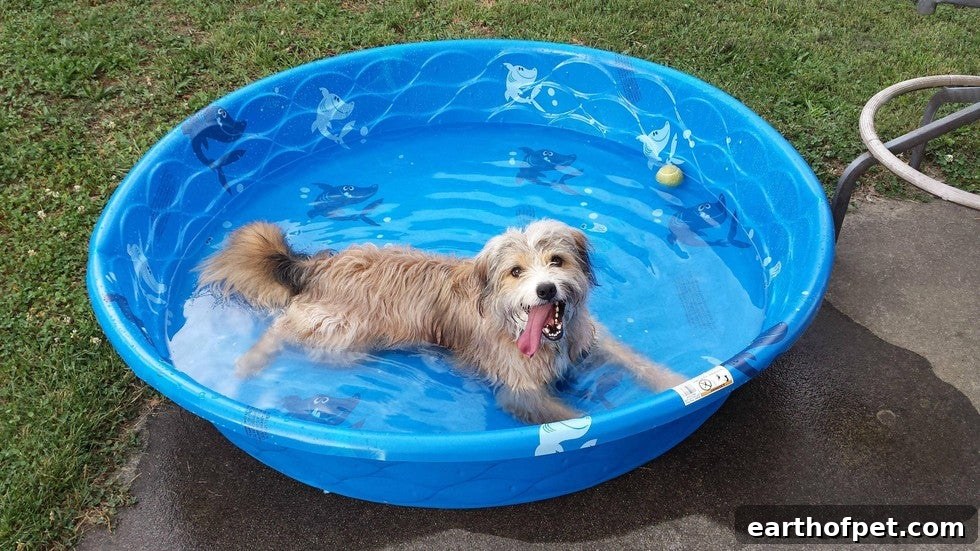
- Use cooling aids safely. Cooling mats, damp towels, fans, and shallow kiddie pools filled with cool water can provide relief. Freeze pet-safe treats or ice cubes made from low-sodium broth for enrichment and cooling.
- Groom appropriately. Regular brushing and, for some long-haired breeds, a summer trim can improve air flow through the coat. Avoid shaving certain double-coated breeds, as their coats also provide insulation against heat; consult your groomer or veterinarian for breed-specific advice.
- Watch for sunburn and skin sensitivity. Light-colored and thin-coated animals can get sunburned—consider pet-safe sunscreen on exposed areas (apply only products labeled for animals) and limit sun exposure during peak hours.
- Maintain routine health care. Overweight pets and those with underlying medical issues are more vulnerable to heat. Keep vaccinations, parasite prevention, and wellness checks up to date and talk to your veterinarian about heat-related risks for your specific pet.
- Know when to stay indoors. On extreme heat or poor air-quality days, confine strenuous activity and keep pets in cool, ventilated environments.
Enjoying summer with your pet is rewarding when you take simple precautions. Stay aware of environmental risks, watch your pet’s behavior closely, and be ready to act quickly if signs of overheating appear. With common-sense precautions—shade, water, timing, and attentive care—you and your pet can safely make the most of sunny days together.