If you’re considering an appointment for a dog dental cleaning, it helps to understand both the similarities and the differences compared with a human dental cleaning. One key distinction is that most routine canine cleanings are performed under general anesthesia. Anesthesia keeps your dog calm and still so the veterinarian can work safely and thoroughly—avoiding the stress and fear caused by noisy equipment and unfamiliar sensations. It also enables the team to take full-mouth dental X-rays and perform any necessary procedures without causing pain or undue stress to your pet.
Below are the main points to review and discuss with your veterinarian before booking a dental cleaning for your dog.
Dog Dental Cleaning: 5 Things to Know Before the Appointment
1. KNOW THAT YOUR DOG WILL LIKELY BE PUT UNDER ANESTHESIA.
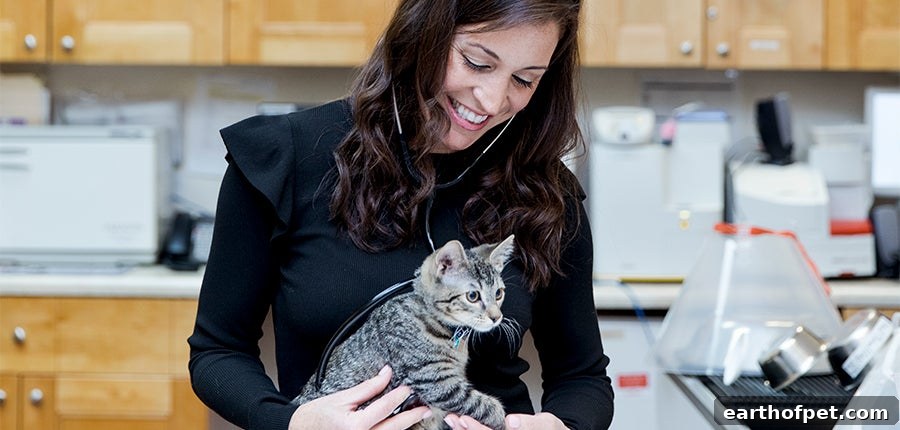
Ask the clinic about their anesthesia protocol, including how it is administered, which monitoring equipment is used, and which drugs are typically given. Share your dog’s full medical history and a current list of medications. If possible, provide recent bloodwork results so the team can spot any issues that might affect anesthesia safety. During the procedure, a veterinary technician will usually monitor your dog’s heart rate, blood pressure, oxygen levels, and temperature, and the anesthetic depth can be adjusted as needed. Your regular veterinarian—who knows your dog best—can advise whether anesthesia is appropriate in your pet’s specific case.
Some clinics offer anesthesia-free cleanings, but these have limitations: they often allow only superficial plaque removal, do not include comprehensive dental X-rays, and can be stressful for dogs. Be sure to weigh the pros and cons and discuss alternatives with your vet.
2. GET DETAILS ABOUT WHAT WILL HAPPEN DURING THE DOG DENTAL CLEANING.
While your dog is anesthetized, most veterinary dentists perform a full oral examination, clean and scale above and below the gum line, polish the teeth, and take full-mouth dental X-rays. X-rays reveal issues that are invisible above the gum line, such as tooth root infections, fractured teeth, bone loss, impacted teeth, or advanced periodontal disease. Ask the clinic what their policy is if they discover treatable problems: will they call you during the procedure to obtain permission for extractions or other surgeries, or do they require a separate appointment? Also confirm whether the clinic has the equipment and expertise to perform extractions or more complex dental procedures onsite.
3. PLAN TO DROP THEM OFF AND PICK THEM UP LATER.
Typically you’ll drop your dog off in the morning and collect them later the same day. Try to schedule the appointment on a day when you have flexibility, and keep your phone nearby and charged so the clinic can reach you if questions arise during the procedure. Some practices will call to update you about findings and to confirm whether to proceed with additional treatments, so be prepared to make quick decisions about any unexpected issues.
4. DON’T FEED YOUR PUP BEFORE THE APPOINTMENT.
Most veterinarians ask that dogs fast overnight before anesthesia—commonly no food after about 10 p.m. the night before a morning appointment. A hearty evening meal the night prior is recommended, and water is usually allowed up until drop-off. Follow the specific fasting instructions given by your clinic. You can offer a dental-friendly chew the night before as part of their last meal; choose an appropriate product recommended by your vet.
5. SET ASIDE TIME TO TAKE HIM OR HER ON A WALK BEFORE YOU GO TO THE DOG DENTAL CLEANING.
Take your dog for a walk on the morning of the appointment so they can relieve themselves and burn off some nervous energy. Make sure they have access to water at home before you leave, but follow the clinic’s guidance on drinking intake prior to drop-off. Extra attention, calm reassurances, and a favorite toy or blanket can reduce pre-procedure anxiety. Consider planning a small, low-key reward for after the appointment—a new toy, a favorite treat, or extra playtime—to make recovery and future visits more positive.
After the cleaning, the clinic will provide discharge instructions that may include post-operative pain control, care for any extraction sites, diet recommendations, and signs of complications to watch for. Follow-up visits and home dental care—such as regular tooth brushing, dental chews, or a veterinarian-recommended dental diet—can help maintain oral health and reduce the need for frequent professional cleanings. Discuss a preventive care plan with your veterinarian so you and your dog can enjoy better dental health in the long term.