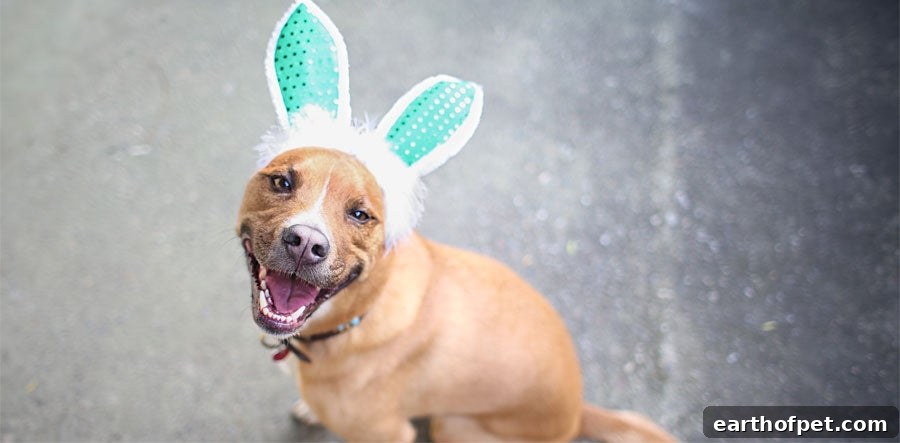
Spring’s arrival brings warmer days, blooming flowers, open fields, park visits, longer walks, and of course Easter. The season’s bright colors, floral decorations, and festive treats create a joyful atmosphere, but they also introduce hazards for pets. As a small animal veterinarian, I’ve seen many holiday-related emergencies. It’s important for pet owners to know which flowers, foods, and decorations are dangerous, what signs to watch for, and how to prevent problems. Below are the top Easter hazards for pets and practical tips to keep them safe.
Easter Lilies:

Lilies from the Lilium and Hemerocallis families—commonly sold as Easter lilies—are highly toxic to cats. All parts of the plant (petals, stems, leaves, and pollen) can cause severe illness. Initial effects are often gastrointestinal, but without prompt treatment lily ingestion can lead to kidney failure and death. Other lilies that pose risks include tiger lilies, rubrum lilies, Asiatic hybrids, Japanese show lilies, Stargazer lilies, and various wild species.
Signs and symptoms of lily toxicity
Symptoms may appear quickly. Within 2–4 hours after ingestion you may see:
- Vomiting
- Loss of appetite
- Lethargy
- Excessive drooling
Within 24–48 hours, additional signs can develop:
- Anorexia
- Hiding or withdrawal
- Increased drinking and urination
- Bad breath (halitosis)
- Abdominal pain
- Progression to decreased urine output or complete lack of urination if kidneys fail
Time matters: if you suspect your cat has eaten any part of a lily, seek veterinary care immediately.
Chocolate:
Chocolate contains theobromine and caffeine, stimulants that are toxic to dogs and cats in sufficient amounts. Different types of chocolate contain different concentrations of theobromine: milk chocolate has much less compared with semisweet or baking chocolate, which are considerably more toxic. Toxic effects depend on the type and amount consumed as well as the size of the animal.
Clinical signs of chocolate poisoning
- Vomiting and diarrhea (often due to high fat and irritation)
- Restlessness and hyperactivity
- Muscle tremors or twitching
- Increased thirst and frequent urination
- Excessive panting
- Irritability or agitation
- Fast or irregular heart rate
- In severe cases: seizures, collapse, or death
If a pet ingests chocolate, call your veterinarian right away. Many cases can be evaluated over the phone to determine risk; when needed, veterinarians can induce vomiting, provide IV fluids, and monitor for complications.
Xylitol:
Xylitol is a sugar substitute found in many sugar-free gums, candies, baked goods, and some oral care products. In dogs (and less commonly other species), xylitol triggers a rapid release of insulin and can cause a dangerous drop in blood sugar. It can also cause liver damage in severe cases.
Signs of xylitol toxicity
- Lethargy
- Vomiting
- Loss of coordination
- Weakness or collapse
- Seizures
- Potential liver failure in severe exposures
Check labels on candies and baked goods, and keep xylitol-containing products well out of reach. If you suspect ingestion, contact your veterinarian immediately.
Easter Decorations:

Colorful Easter baskets, plastic grass, foil wrappers, small toys, and plastic eggs attract pets, who may chew or swallow them. Ingested foreign material can cause gastrointestinal upset, pancreatitis from high-fat items, or mechanical obstruction that requires emergency surgery. Keep baskets and decorative items well out of reach, supervise pets around holiday displays, and choose pet-safe alternatives when possible.
Fatty Foods:
Holiday meals often include rich, fatty foods like ham, lamb, and desserts. High-fat human foods can trigger stomach upset and pancreatitis in pets—an inflammatory and painful condition that causes vomiting, abdominal pain, and dehydration. Avoid feeding table scraps and offer pet-safe treats instead to keep pets included in the celebration without risking their health.
There’s no need to exclude pets from Easter festivities. Prepare pet-friendly treats and have their regular food and snacks available so they aren’t tempted by unsafe human foods or decorations. If you use commercial pet foods or supplements, choose reputable, balanced options appropriate for your animal.
How to Protect Your Pet This Easter
- Remove lilies and other toxic plants from areas pets can access.
- Keep chocolate and xylitol-containing products in sealed containers out of reach.
- Supervise pets around decorations and dispose of wrapping immediately.
- Offer safe pet treats instead of table scraps, and avoid feeding fatty holiday dishes.
- Know the signs of poisoning and contact your veterinarian or an emergency clinic promptly if you suspect ingestion.
Spring and Easter are wonderful times to enjoy with your pets. Awareness and simple precautions go a long way toward preventing holiday emergencies. If you have concerns or questions about specific plants, foods, or decorations, consult your veterinarian. Wishing you and your pets a safe and happy Easter!